
Keynote speakers
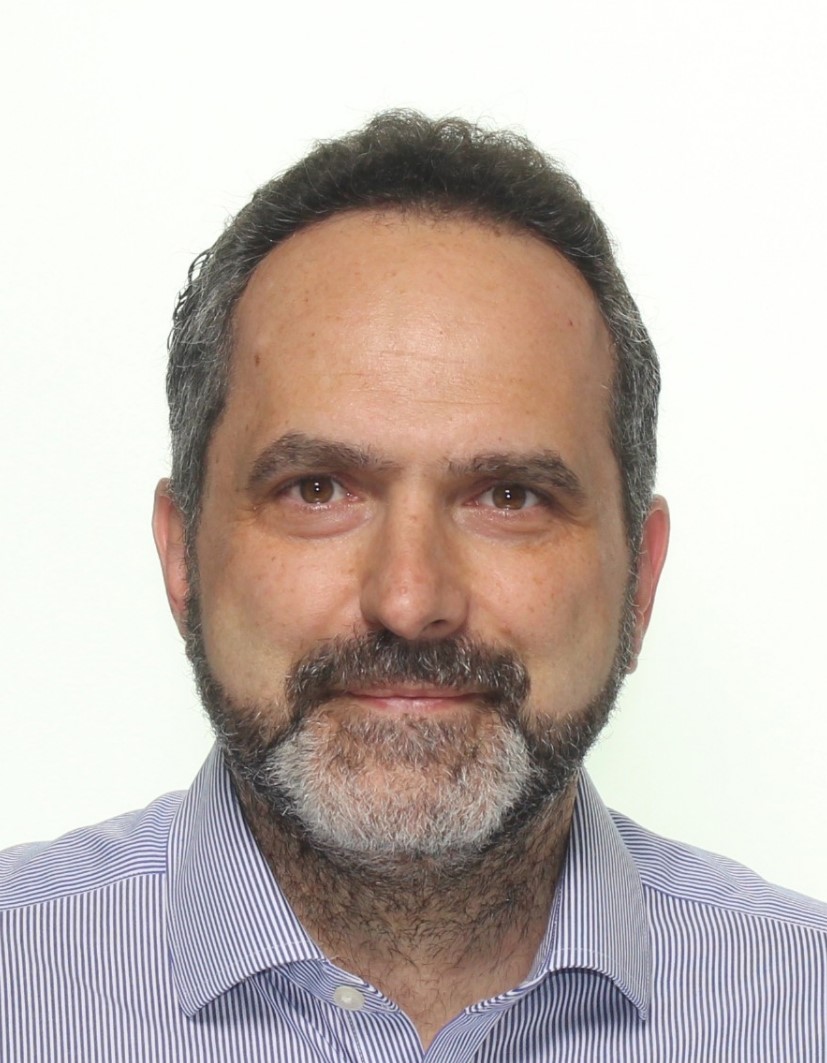
Daniele Dini
Bridging Fundamental Discoveries and Applications in Tribology through Multidisciplinary Research and Simulations
Professor Daniele Dini FREng is Vice-Dean (Research) for the Faculty of Engineering and a Professor in Tribology at Imperial. He is internationally recognised as a leader in the development and application of computational methods for studying applied mechanics, materials biomechanics and tribological problems. His group is at the forefront of the development of multiscale and multidisciplinary high-fidelity approaches that capture the physics of critical interfaces, from the underlying molecular scale to the macroscale seen by engineer and clinicians as performance, e.g. energy efficiency, longevity and reliability. He currently heads the Shell-Imperial Centre for Mobility and Lubricants, a RAEng Research Chair in Complex Engineering Interfaces, and has been awarded the prestigious inaugural Peter Jost Tribology Award in 2021 and the Tribology Trust Silver Medal in 2022, as well as several other personal and group awards. His group performs fundamental research, while successfully supporting the application of tribology in industry; the strong links with industrial partners have led to the Imperial President’s Award and Medal for Excellence in External Collaboration and Partnerships (2017). Professor Dini has written more than 400 journal articles and has delivered more than 50 invited and keynote/plenary talks to discuss his innovative research in the last 10 years.
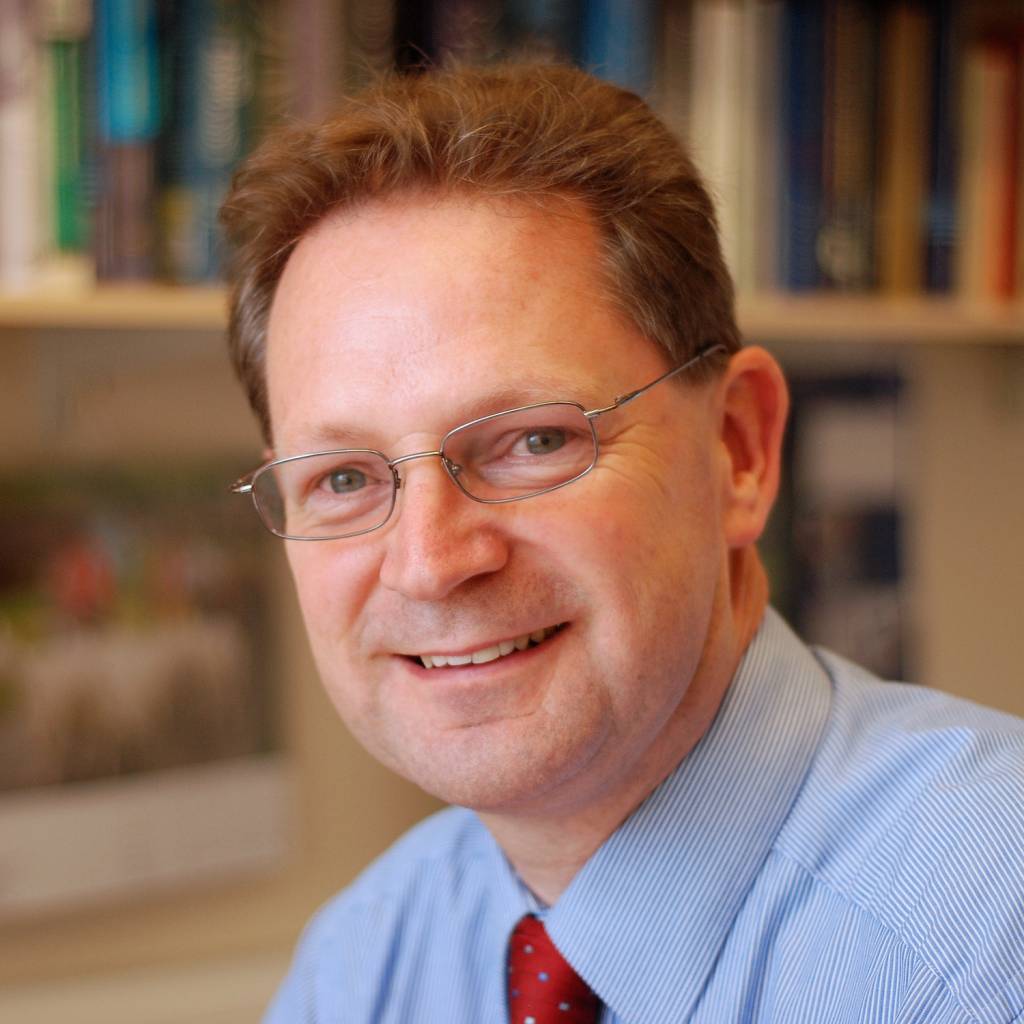
Robert J K Wood
Detecting and Understanding Early Wear Processes
Robert Wood is Professor of Surface Engineering and Tribology and has 30 years’ experience of tribology and surface engineering. After his PhD and Research Fellowship, he spent 4 years at BP Research before returning to Southampton to re-establish surface engineering/tribology research. His group was awarded £10M from EPSRC in 2008 to create the National Centre for Advanced Tribology at Southampton (nCATS) and was awarded a further £3M for research into Green Tribology. He is Chair of UK Tribology (cross professional institution body) and is Co-Editor-in-chief of Elsevier Wear Journal and Chief Field Editor of the Frontiers journal on Coatings, Dyes and Interface Engineering. He was elected Fellow of the Royal Academy of Engineering in 2016. He was awarded the IMechE annual Donald Julius Groen Prize in 2011 and the Tribology Trust Silver medal in 2018 and the IoM3 Tom Bell Silver Medal in 2022 for his outstanding achievements in tribology and surface engineering respectively. He has been Associate Dean Research for 8 years in the Faculty of Engineering and Physical Sciences at Southampton and is now funded to seek to spin out a company called TriboAI.

Masanobu Kubota
Effect of Hydrogen on Wear, Friction, and Crack Initiation under Fretting Contact
Prof. Masanobu Kubota from Kyushu University, Japan, is dedicated to conducting research at the International Institute for Carbon Neutral Energy Research (WPI-I²CNER) as a Principal Investigator and to teaching in the Department of Mechanical Engineering. He began his academic career in 1996 as an Assistant Professor at Kyushu University and received his doctoral degree in Mechanical Engineering there in 2001. He was promoted to Professor in 2010. His main research topic is hydrogen embrittlement, with particular focus on the mitigation or promotion of hydrogen embrittlement by impurities contained in hydrogen gas. In addition, he enthusiastically studies creep in high-temperature hydrogen environments and hydrogen embrittlement under contact conditions. For these studies, he adopts an interdisciplinary approach that integrates chemistry, collaborating with chemists who apply quantum mechanical calculations. Prof. Kubota is consistently pursuing opportunities to promote international collaborative research. Currently, he has established strong collaborations with the University of Illinois at Urbana–Champaign in the United States and the University of Göttingen in Germany.
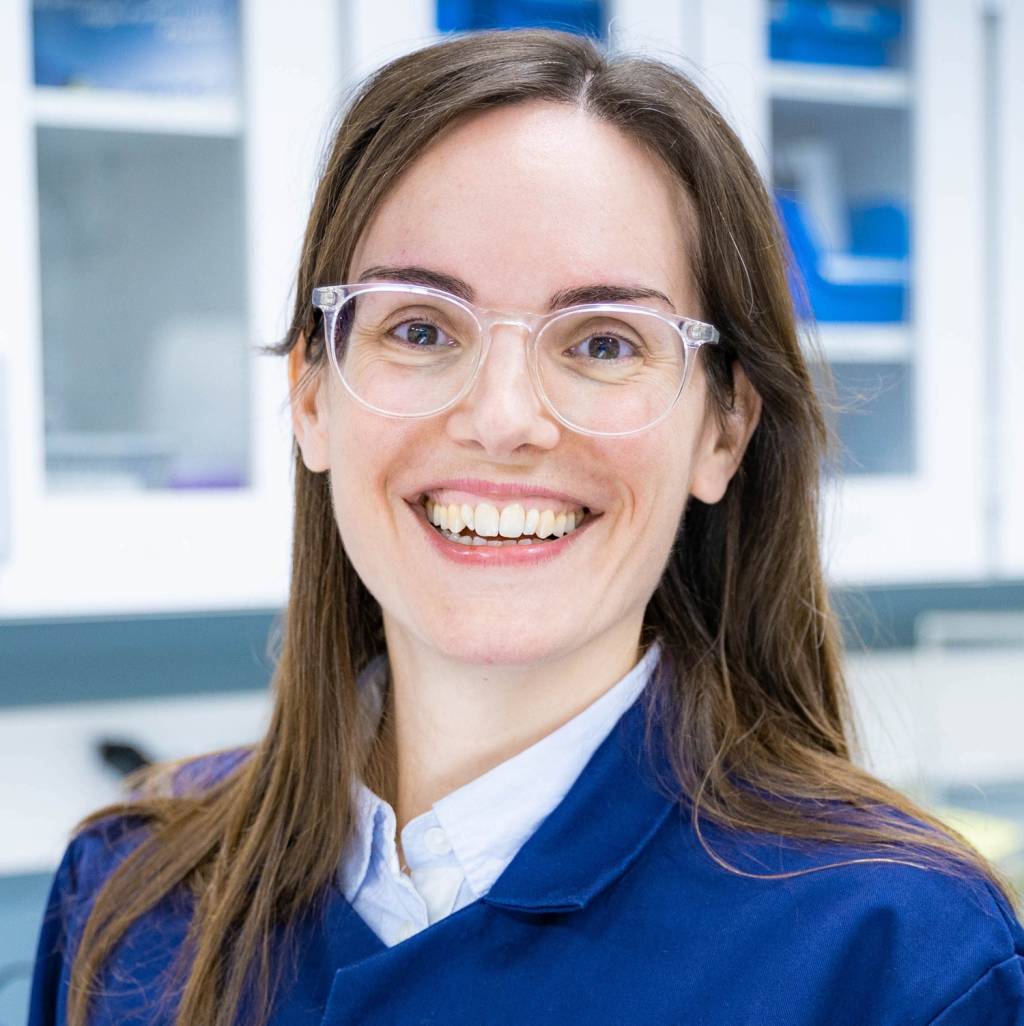
Nuria Espallargas
Machine Learning–Driven Design of Environmentally Acceptable Lubricants
Nuria Espallargas is Professor at the Department of Mechanical and Industrial Engineering NTNU, Norway. She has more than 20 years of research experience in surface engineering, chemistry, and tribology. Since 2011 she is the NTNU leader of the Norwegian Tribology Centre. Her research lied in the fields of surface chemistry and engineering, lubricants, tribocorrosion and nano-tribology. Her recent research focuses on environmentally acceptable lubricants, especially on water-based lubricant formulation and green lubricant additives.

Magd Abdel Wahab
From Contact to Crack: Recent Advances in Numerical Modelling of Fretting Fatigue
Prof. Magd Abdel Wahab is an Egyptian–Belgian professor of applied mechanics at Ghent University, Belgium, where he leads the Applied Mechanics Research Group within the Faculty of Engineering and Architecture. His research spans fatigue and fracture mechanics, computational and isogeometric analysis, structural dynamics, and the mechanics of functionally graded materials. He has authored more than 800 scientific papers, several books, and serves as Editor-in-Chief of the Journal of Applied Mechanics (MDPI). Prof. Wahab obtained his B.Sc. and M.Sc. from Cairo University, his Ph.D. from KU Leuven (Belgium), and his D.Sc. from the University of Surrey (United Kingdom). Recognized among the Top 2% of Scientists Worldwide by Stanford University and Elsevier (2024–2025), he is also ranked among the leading mechanical and aerospace engineers globally by Research.com, ScholarGPS, and the AD Scientific Index.

Ewald Badisch
The role of lubricants in decarbonisation and energy transition – ammonia as a carbon-free energy source
Ewald Badisch is the Managing Director of the Austrian Centre of Competence for Tribology (AC²T), located in Wiener Neustadt in the south of Vienna, Austria. In former times, he was a member of the scientific management of AC²T for several years. He is a key researcher for functional surfaces and materials for tribological applications. He graduated in materials science from the University of Leoben in 2000 and obtained his PhD degree in 2003. The PhD thesis was focused on “Tribological Investigations of Tool Steels and Low-Friction Coatings”. After finishing his PhD, he then joined AC2T research GmbH – Austrian Centre of Competence for Tribology – as a researcher. His research fields of interest are new technologies in tribology (e.g., diamond-like carbon coatings, solid lubrication via 2D materials), tribology under extreme conditions (CO2 corrosion, high temperature tribology), and tribology of alternative fuels like hydrogen and ammonia. In total, he has published more than 100 papers in various international peer-reviewed journals with about 3700 citations and a Hirsch index of 35 (Google Scholar).