

Speaker presentations
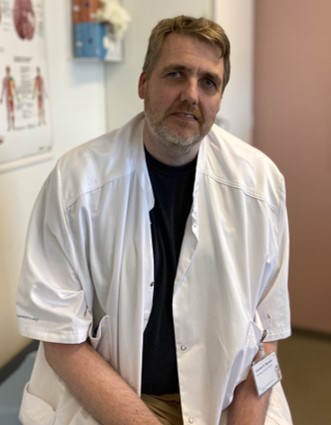
Prof. Carsten Bjarkham
Carsten Reidies Bjarkam is senior consultant and professor in neurosurgery at Aalborg University Hospital Denmark. He is a subspecialized spine surgeon focusing on the use of minimal invasive nervous decompression techniques in the treatment of elderly patients with degenerative spine disease. He is a board member of the Scandinavian and the Danish Neurosurgical Societies, and he has for many years enjoyed teaching the coming generations of Scandinavian neurosurgeons at the yearly Beitostollen course in Norway.
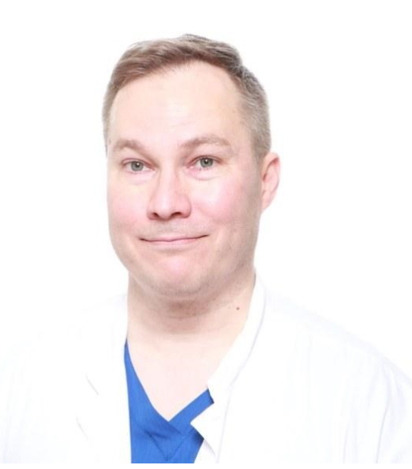
Prof. Juhana Frösén
Juhana Frösén, Professor of Neurosurgery at Tampere University and University Hospital has studied the vascular biology of vessel remodeling for more than 25-years, translating this knowledge into major advances in our understanding of aneurysm formation, growth, and eventual rupture, as well as the formation, growth, and rupture of brain AVMs (arteriovenousmalformations). Prof. Frösen is most known for his work on the pathology of the intracranial aneurysm wall, and the association of aneurysm wall remodeling with inflammation and flow conditions. Prof. Frösén develops pharmaceutical therapy for intracranial aneurysms and bAVMs, in addition to treating these diseases microsurgically.
Together with a multidisciplinary team at the Tampere University, Prof. Frösén aims to develop data-driven and knowledge-driven decision support tools to help patients with intracranial aneurysms, bAVMs, or other cerebrovascular pathologies with hemorrhagic potential, to make informed decisions that are best for them.
In addition to working on improving predictive diagnostics, patient-centered decision-support tools, and the treatments of neurosurgical disease, developing the training of the next generation of neurosurgeons is close to the heart of Prof. Frösén.
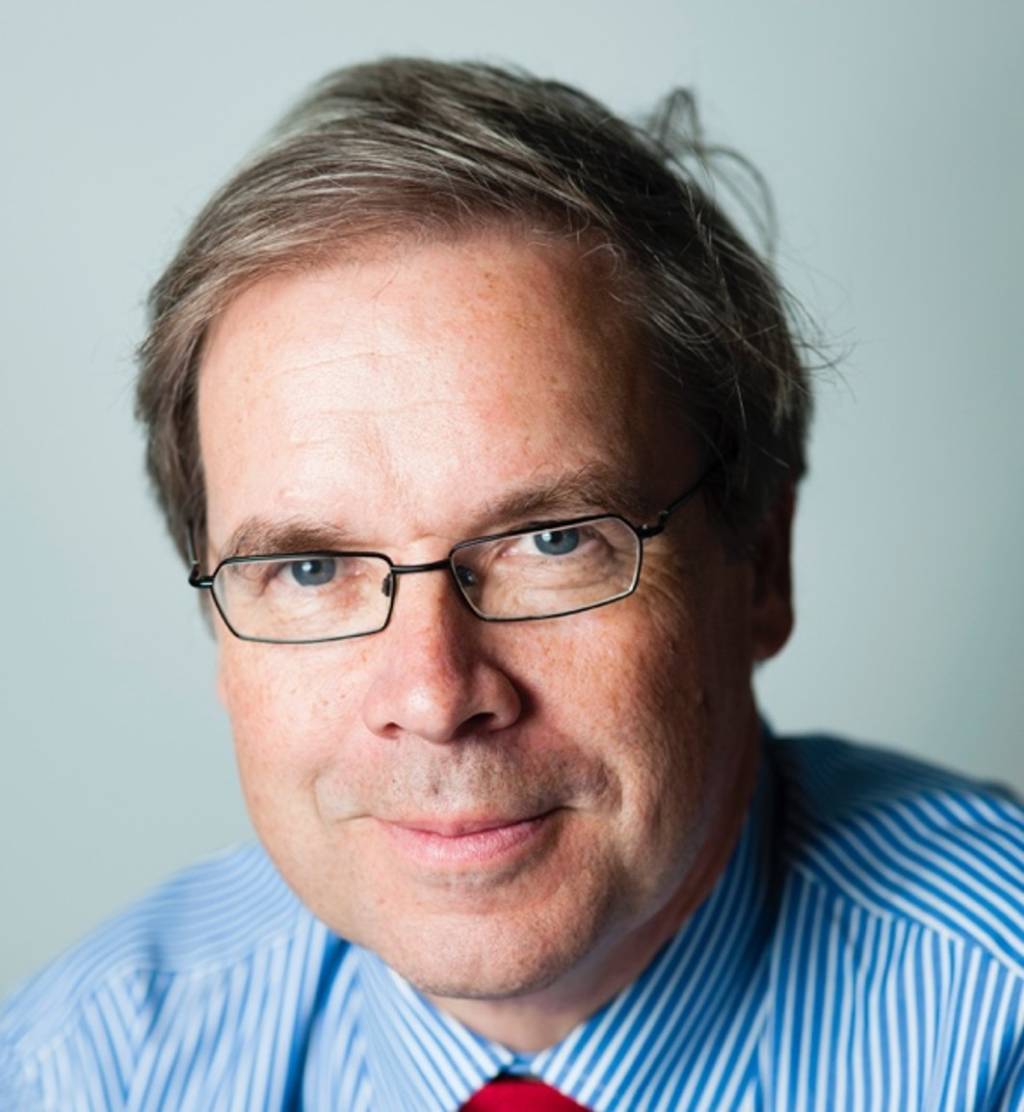
Prof. Jaakko Kaprio
Jaakko Kaprio, M.D., Ph.D. is a Research Director at the Institute for Molecular Medicine FIMM, University of Helsinki and was Professor of Genetic Epidemiology, University of Helsinki, Finland from 2001 until mandatory retirement in April 2020. He held a five-year research professorship fully funded by the Academy of Finland from 2013 to 2017. The Academy Professorship research theme was on genetics, epigenetics and epidemiology of smoking and nicotine dependence. He was Director of FIMM from Oct 1, 2015 to January 31, 2018; FIMM is an EMBL-associated biomedical research institute focusing on personalized cancer therapies, large-scale genetics studies (such as FinnGen) and use of AI in digital pathology.
Dr. Kaprio has worked in genetic epidemiology with a focus on risk factors of non-communicable disease, especially smoking and alcohol use and dependence. He has worked with the Finnish Twin Cohort studies since 1976, and with other population-based samples in Finland. He has engaged in extensive international collaborations, including multiple NIH and EU funded projects. He has served as President of the Society for Research on Nicotine and Tobacco European chapter, as President of the Behavior Genetics Association and as President of the International Society for Twin Studies. He has been active in cancer and tobacco-related NGOs in Finland. He has supervised 55 PhD students, and published over 1500 peer-reviewed articles.
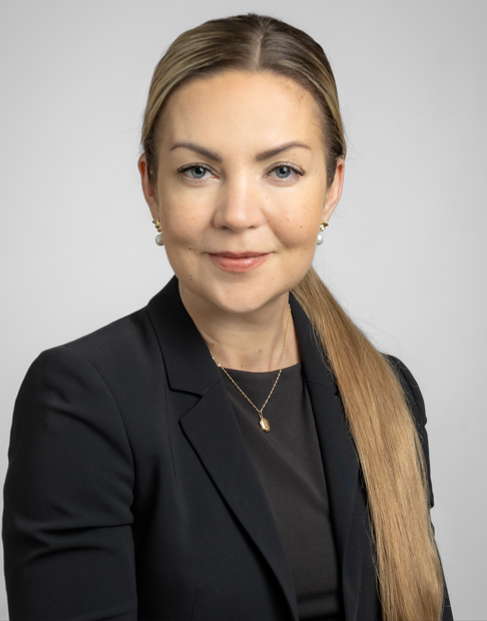
RN, PhD Julia Lindlöf
Julia Lindlöf, RN, PhD, is a registered nurse and university teacher at the University of Eastern Finland. She has over ten years of clinical experience in neurosurgical nursing at the Department of Neurosurgery, Helsinki University Hospital, Finland.
In addition to her clinical and academic work, Lindlöf has worked as a project coordinator at the Finnish Brain Injury Association, focusing on improving support for family members of individuals with traumatic brain injury (TBI) during acute care.
Her doctoral dissertation, Empowering Support Framework for Family Members of Individuals with Traumatic Brain Injury – a mixed-methods study (2025), developed an Empowering Support Framework (ESF) to support family members in neurosurgical and neurological acute care settings and evaluated its applicability in nursing practice from the perspective of registered nurses.
Lindlöf’s research and professional interests focus on family-centred care and the role of family members in supporting patient participation during acute neuro care. She is particularly interested in developing more equitable and systematic nursing practices to ensure that family members receive consistent support regardless of the care setting.
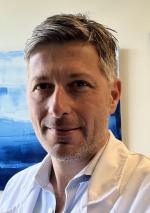
Prof. Ivan Radovanovic
Dr. Ivan Radovanovic is an open vascular neurosurgeon, and a professor and research scientist at the Krembil Institute at Toronto University. His clinical interests include the treatment of cerebrovascular pathologies with hemorrhagic potential, and his research activities also include the study of the pathological mechanisms driving these diseases. His research group has made fundamental discoveries on the pathogenesis of brain AVMs, opening new possibilities for drug therapy of these lesions.
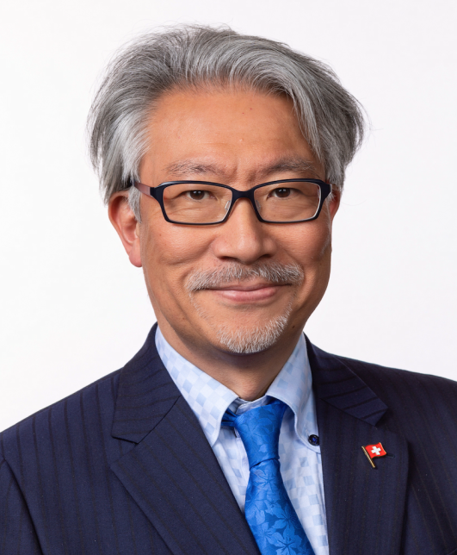
Prof. Michihiro Tanaka
Prof. Michihiro Tanaka is a Japanese neurosurgeon and neurointerventional pioneer, Director of the Neurocenter, Neurosurgery and Neuroendovascular Surgery at Kameda Medical Center in Chiba, and former President (2022-2024) of the World Federation of Interventional and Therapeutic Neuroradiology (WFITN). Trained in Osaka, Yokohama and at the University Hospital of Zürich under mentor Prof. Anton Valavanis, he combines microneurosurgery with advanced endovascular therapy. His specialty is neuroendovascular surgery grounded in functional vascular anatomy and embryology, treating intracranial aneurysms, brain AVMs, dural AVFs and spinal cord vascular malformations using high resolution imaging modalities. Known internationally for work on the angioarchitecture and developmental origin of AVMs and dAVFs, he has helped refine risk assessment and minimally invasive strategies for complex cerebrovascular and skull-base disease while training the next generation of neurovascular specialists.
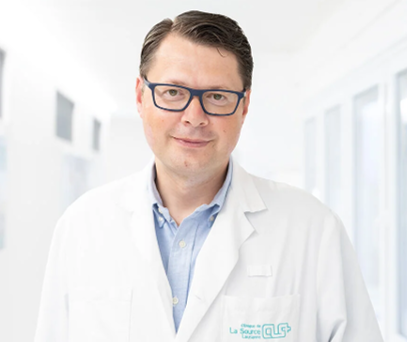
Assoc. Prof. Constantin Tuleasca
Constantin Tuleasca, MD-PhD, currently works as a neurosurgeon in Clinique de La Source and Swiss Medical Network in Lausanne, Switzerland. He is also Associate Professor of Neurosurgery at the University of Medicine and Pharmacy “Gr. T. Popa” in Iași, Romania.
A clinician–scientist, he completed his neurosurgical training at Lausanne University Hospital (CHUV, 2007-2025), complemented by three international fellowships: stereotactic radiosurgery in Marseille (Prof. Régis, 2010-2011), intramedullary tumors and rare spinal malformations in Paris (Prof. Parker, 2018-2019), and neuro-oncology/spinal surgery in Lille (Prof. Reyns, 2019-2020).
Dr. Tuleasca obtained his MD–PhD from the University of Lausanne in 2018, receiving the Excellence Prize in 2019. He is Swiss Board certified in Neurosurgery since 2019. He has authored or co-authored more than 160 peer-reviewed papers in leading scientific journals and served as a staff neurosurgeon at the public hospital in Lausanne (CHUV) between 2022 and 2025.
His contributions have been recognized with several prestigious honors, including the Young Professional Award of the International Stereotactic Radiosurgery Society (ISRS), two distinctions from the French Academy of Medicine (Paris), and awards from the European Association of Neurosurgical Societies (EANS). He also served as a member of the ISRS Board (2019–2025). He is currently a member of the Radiosurgery and Frontiers panels in the EANS.
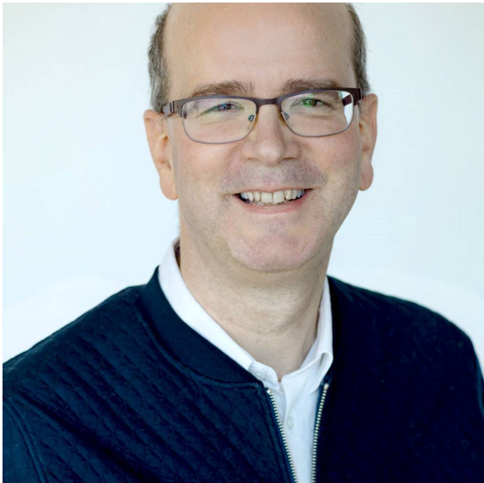
Prof. Mark van Gils
Mark van Gils is Professor of Digital Healthcare, leading the research group Decision Support for Health, at Tampere University and Adjunct Professor in physiological signal processing at Aalto University. Activities in his over 25-year career in health data analysis have ranged from AI-driven patient monitoring in critical care to preventive approaches during daily living. He has special interest in data-driven approaches that take into account real-life challenges, such as dealing with imperfect data, heterogeneity of data sources, and ambiguity in outcomes. He has worked tightly with renowned university hospitals and health tech companies, and he has obtained extensive experience in carrying out leading roles, including coordination, in multi-disciplinary international research consortia, such as in EU projects.
Prof. Ajay Wakhloo
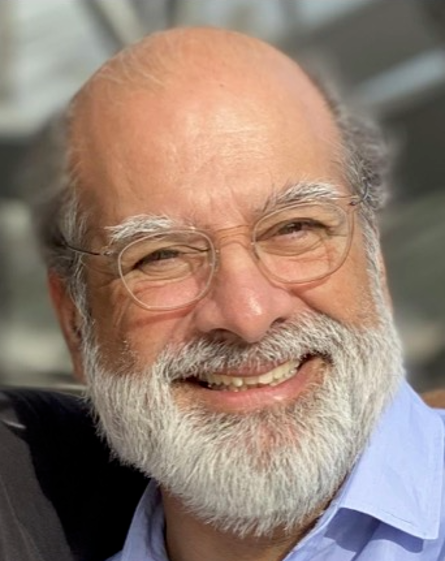
Dr. Wakhloo earned both his MD and PhD in endocrinology and metabolic disorders from the University of Mainz, Germany. He completed fellowships in diagnostic and interventional neuroradiology, as well as endovascular neurosurgery, at the University of Freiburg, SUNY Buffalo, and the BNI in Phoenix. In 1995, he was awarded the venia legendi from the University of Tübingen, Germany, for his research and thesis on flow diversion for brain aneurysms. He served as an Associate Professor in the Department of Neurosurgery at SUNY Buffalo (1995-1999), a Professor of Radiology, Neurology, and Neurosurgery at the University of Miami (1999–2005), and Professor and Chief of Neurointervention and Neuroimaging at the University of Massachusetts Medical School (2005–2018) and at the Beth Israel Lahey Clinic, Boston (2018–2023).
He currently holds the position of Professor at Tufts University School of Medicine and serves as CMO and CEO for various start-ups. His groundbreaking contributions have earned him numerous scientific awards from the Whitaker Bioengineering Research Foundation, the German Society of Neuroradiology, and the Society of Vascular Interventional Neurology Innovation. He was named a Fellow of the AHA and Stroke Council and a Fellow of the Society for Neurointerventional Surgery. Renowned as the father of flow diversion, Dr. Wakhloo was the first to introduce the concept in 1989. His pioneering work also extended to stent retriever thrombectomy for acute ischemic stroke, published in 2008. Holding multiple U.S. patents for neurovascular devices, he has been at the forefront of innovation. Dr. Wakhloo has served on editorial boards of major medical journals, played key advisory roles in Medtech companies, and secured private and federal research funding as a PI and Co-Investigator on numerous grants from NIH and industry. With over 500 peer-reviewed publications, book chapters, and scientific articles, he continues to advance the field of neurovascular medicine.
Prof. Arja Halkoaho
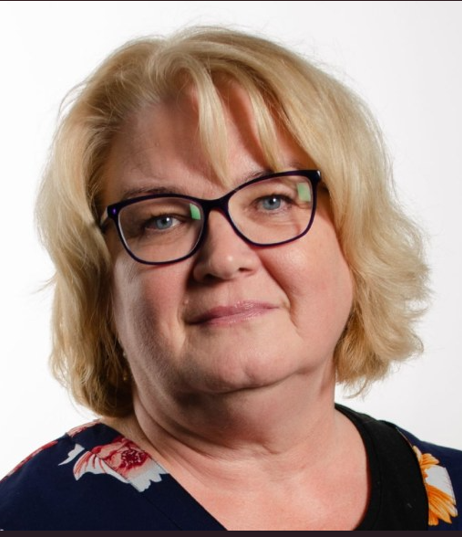
Arja Halkoaho is Professor of Practice in P4 medicine, jointly appointed by Tampere University and Tampere University of Applied Sciences (TAMK). Her work focuses on advancing predictive, preventive, personalised and participatory healthcare by strengthening patient participation and integrating ethical, genomic and clinical perspectives into health research and practice.
Halkoaho leads a research group at TAMK and specialises in healthcare ethics and the use of genomic data in clinical contexts. Her research explores how citizens’ voices, data‑driven insights and professionals’ competencies can together transform healthcare systems toward patient‑centred P4 medicine.
Through multidisciplinary collaboration and participatory methods, she aims to build robust research and development platforms that bring together academic expertise, healthcare needs, and patient engagement. Her mission is to contribute to a healthcare ecosystem in which patient participation is central to improving health outcomes and strengthening the societal impact of medicine. For more Prof. Halkoaho’s research, please visit: www.tuni.fi/en/research/precise
Prof. Leena Forma
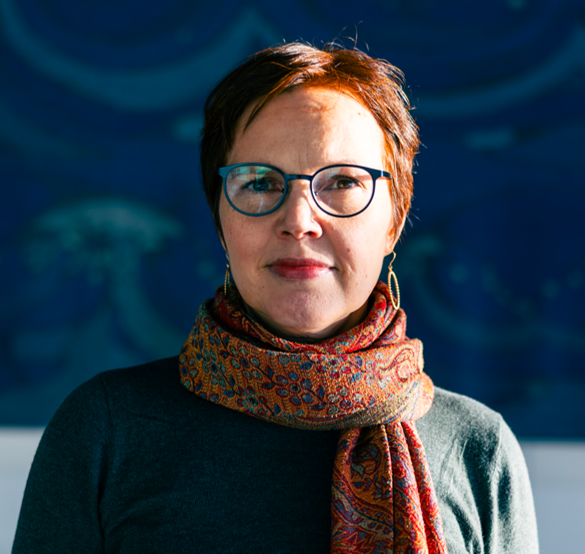
Leena Forma is Professor of Health Economics at Tampere University and Research Director at University of Eastern Finland. Her research has focused on use and costs of health and social services among older people and economic evaluation in multiple contexts. Currently, she is leading a work package ‘Diet and economy’ in a consortium assessing the impact of nutrition recommendations, funded by the Research Council of Finland. She is an expert in register studies, including cross-country comparisons between Nordic countries.
Dr. Olivier Ouambi
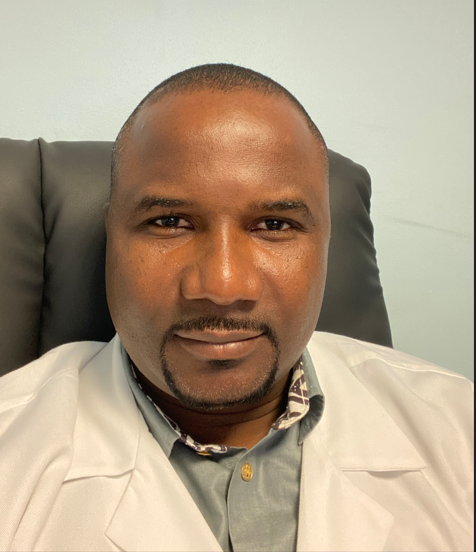
Dr. OUAMBI Li-iyané Olivier from Chad is a neurosurgeon trained in Morocco and France. He is the general secretary of the Chadian society of neurosurgery and member of the continental African Association of Neurosurgeons (CAANS). Dr. Ouambi works at the university hospital la Renaissance of Ndjamena and is a senior lecturer at the faculty of medicine. Dr. Ouambi’s field of interest in the skull base neurosurgery and vascular neurosurgery, but as the number of neurosurgeons in Chad is only 7 for 19 million people, all neurosurgeons in Chad are used to managing all neurosurgical diseases, including pediatric cases.
Assoc. Prof. Kai Lehtimäki
Dr. Kai Lehtimäki is the current Head of the neurosurgery department at Tampere University Hospital, and associate professor of neurosurgery at Tampere University. Dr. Lehtimäki’s main interest is in functional neurosurgery and deep brain stimulation, and he is a member of both the Executive committee of European Society of Stereotactic and Functional Neurosurgery (ESSFN), as well as a member of the ILAE Neuromodulation and Minimally Invasive Surgery Task Force of the Epilepsy Surgery Commission (2025-). Dr. Lehtimäki also serves as a course director at European Continuing Medical Training (ECMT) (ANT-DBS in epilepsy).
Prof. Martin N. Stienen
Martin N. Stienen is professor of neurosurgery at the University of Zurich, Switzerland. He holds a board-certification in neurosurgery (CH) after residency in St.Gallen, Geneva and Zurich and is Fellow of the European Board of Neurological Surgeons (FEBNS). He conducted a 1-year fellowship in comprehensive, complex and minimally-invasive spine surgery at Stanford University and a six-week fellowship in endoscopic spine surgery at Gangnam Severance Hospital in Seoul, Korea. Prof. Stienen is Co-chair of the Interdisciplinary Neuro-Ortho Spine Center at the Kantonsspital in St.Gallen (H-OCH Health Ostschweiz & University of St.Gallen), leads a productive research lab and is associated with and active in many professional societies (EANS, Eurospine, AO Spine, amongst others).
Assoc. Prof. Georgios Zenonos
Georgios A. Zenonos, MD is Associate Professor of Neurological Surgery at the University of Pittsburgh School of Medicine and Neurosurgical Director of the Center for Cranial Base Surgery as well as the Pituitary Center of Excellence at the University of Pittsburgh Medical Center. He also serves as Director of the Neurosurgery Skull Base Fellowship Program, Director of the Cranial Nerve Program and Director of Clinical Operations at UPMC Presbyterian Hospital, the flagship hospital for the Department of Neurological Surgery.
Dr. Zenonos completed two fellowships in skull base surgery, one focusing on endoscopic and minimally invasive approaches at the University of Pittsburgh, and another focusing on complex cranial neurosurgery and cerebrovascular neurosurgery at the University of Miami with Jacques J. Morcos, MD, and Roberto C. Heros, MD.
Dr. Zenonos has published extensively, has given numerous presentations nationally and internationally. He serves on the editorial board of both the Journal of Neurosurgery Publishing Group as well as Operative Neurosurgery and has been frequently invited as a scientific reviewer by prominent neurosurgical journals.
His specialized areas of interest include endoscopic endonasal neurosurgery, minimally invasive neurosurgery, skull base tumors, skull base pathology, neuro-oncology, cerebrovascular neurosurgery, cranial nerve disorders, and radiosurgery.
Dr. Margret Jensdottir
Dr. Margret Jensdottir is a Senior Consultant Neurosurgeon at Karolinska University Hospital in Stockholm, Sweden, a position she has held since 2018. She specializes in neuro-oncological surgery, glioma surgery, awake surgery with functional mapping, and stereotactic laserablations, LITT.
She received her MD from the University of Iceland in 2002 and completed her neurosurgery residency in Copenhagen, Denmark, becoming board-certified in 2012. She is currently pursuing a PhD at the Karolinska Institute focusing on neurosurgical treatment patterns and outcomes in low-grade glioma, with her doctoral dissertation scheduled for March 27, 2026.
Her research centers on neuro-oncological surgery, particularly gliomas, surgical outcomes, and stereotactic laser ablation techniques, and she participates in international research collaborations and clinical trials.
In addition to her clinical and research work, Dr. Jensdottir plays an active leadership role in the field. She is President of the Swedish Neurosurgical Society (since 2022) and has served on national cancer registries and CNS tumor research groups in Sweden. She is also involved in education, teaching neurosurgery residents and serving as an examiner for the Swedish Board Exam in Neurosurgery.
Associate Professor Päivi Koroknay-Pál
Päivi Koroknay-Pál, MD, PhD is a senior consultant neurosurgeon at the Department of Neurosurgery, Helsinki University Hospital, Finland. She has a PhD degree both in physics and in medicine.
Dr Koroknay-Pál did her neurosurgical training in Helsinki under prof. Juha Hernesniemi. For more than 10 years her main clinical focus has been on complex brain tumors, epilepsy surgery, pediatric neurosurgery and intraoperative monitoring. Her research work is on epilepsy surgery, brain tumors (especially cellular models in malignant brain tumors and mathematical models describing pharmacokinetic properties of chemotherapeutic agents) and vascular neurosurgery. Dr Koroknay-Pál is the current Finnish national delegate at the EANS Training committee.
Dr Koroknay-Pál is an international level expert in microneurosurgical management of complex eloquent area gliomas, especially in awake surgeries, monitoring and mapping.
Prof. Dr. Martin van den Bent
Prof dr Martin J. van den Bent is trained as a neurologist. He joined in 1992 the Neuro-Oncology Unit of Erasmus MC Cancer Center in Rotterdam, the Netherlands. He has been the principal investigator of many international multicenter phase II and III trials on both high- and low-grade glial tumors that contributed to the standard of care of glioma patients. From 2003 to 2009 he was the chair of the EORTC Brain Tumor Group, from 2012 to 2018 he served as a board member of the EORTC. Between 2018 and 2020 he was president of the European Association of NeuroOncology. From 2020 to 2022 he served as the chair of the EANO guideline committee. He is one of the coordinating members of the Response Assessment in Neuro-Oncology (RANO) group. He is the recipient of several SNO awards for Excellence in Clinical Research. After his retirement in July 2024, he became the chair of the EORTC Protocol Review Committee, and he still holds a position at Erasmus MC.
Dr. Fumihiro Matano
Fumihiro Matano is Associate Professor in the Department of Neurological Surgery at Nippon Medical School Hospital in Tokyo. His subspecialty is open cerebrovascular and reconstructive neurosurgery, with a particular focus on cerebral revascularisation — including superficial temporal artery to middle cerebral artery bypass for moyamoya disease, atherosclerotic occlusive disease, and complex intracranial aneurysms — as well as aneurysm surgery, subarachnoid haemorrhage management, and intraoperative imaging. He has developed substantial expertise in quantitative indocyanine green videoangiography for real-time assessment of bypass patency and cerebral perfusion during vascular surgery, contributing to the methodological refinement of this technique in Japan and internationally. From 2019 to 2021 he undertook research and clinical fellowships at Hôpital Lariboisière in Paris under Professor Sébastien Froelich, gaining advanced experience in open and endoscopic skull base surgery and broadening his technical repertoire to encompass the full spectrum of complex cranial neurosurgery. This combination of deep expertise in Japanese cerebrovascular and bypass surgery traditions, international skull base training, and a commitment to intraoperative technology makes Dr. Matano a distinctive voice in contemporary open vascular neurosurgery.
Prof. Jeroen Boogaarts
Jeroen Boogaarts is Professor of Open and Endovascular Neurosurgery and Consultant Neurosurgeon at Radboud University Medical Center in Nijmegen, where he has practised since completing his neurosurgical residency and fellowship under Professor J.A. Grotenhuis. He serves as Secretary of the European Board of NeuroIntervention (EBNI), is an Editorial Board Member of Acta Neurochirurgica, and is a panel member of the EANS Vascular Section. He has chaired the Dutch NeuroVascular Society and directed the Dutch Neurosurgical Quality Foundation (SKN) and has chaired national guideline committees on unruptured intracranial aneurysms and arteriovenous malformations.
Prof. Boogaarts’ research spans the full spectrum of cerebrovascular surgery, with a particular focus on the quality of care, patient-reported outcomes, and clinical trial methodology for aneurysmal subarachnoid haemorrhage, intracranial aneurysms, brain arteriovenous malformations, intracerebral haemorrhage, and acute ischaemic stroke. He has been a co-investigator in the MR CLEAN-LATE trial and the Dutch Intracerebral Hemorrhage Surgery Trial (DIST), and currently leads the MEASURE, DEDICATE, and ATHENA studies addressing complications and quality metrics in aneurysm care. He has been a consistent advocate for transparency and structured outcome measurement in neurosurgery, directing the national aneurysmal SAH quality registry (QRNS SAB) since 2013 and serving on patient advisory boards for aneurysm survivors. As director of the open and endovascular fellowship at Radboud and course director of EANS endovascular and microvascular courses, he is equally committed to the systematic training of the next generation of vascular neurosurgeons across Europe.
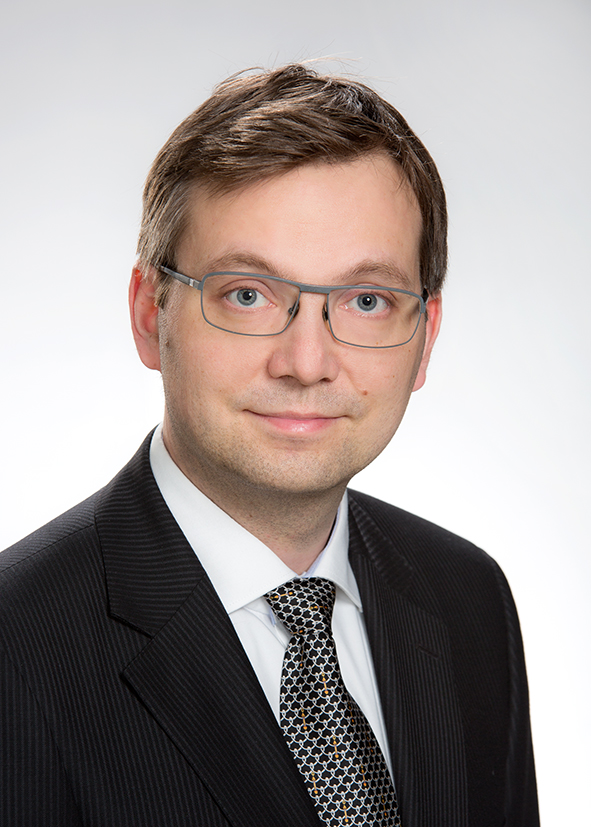
Assoc. Prof. Jukka Huttunen
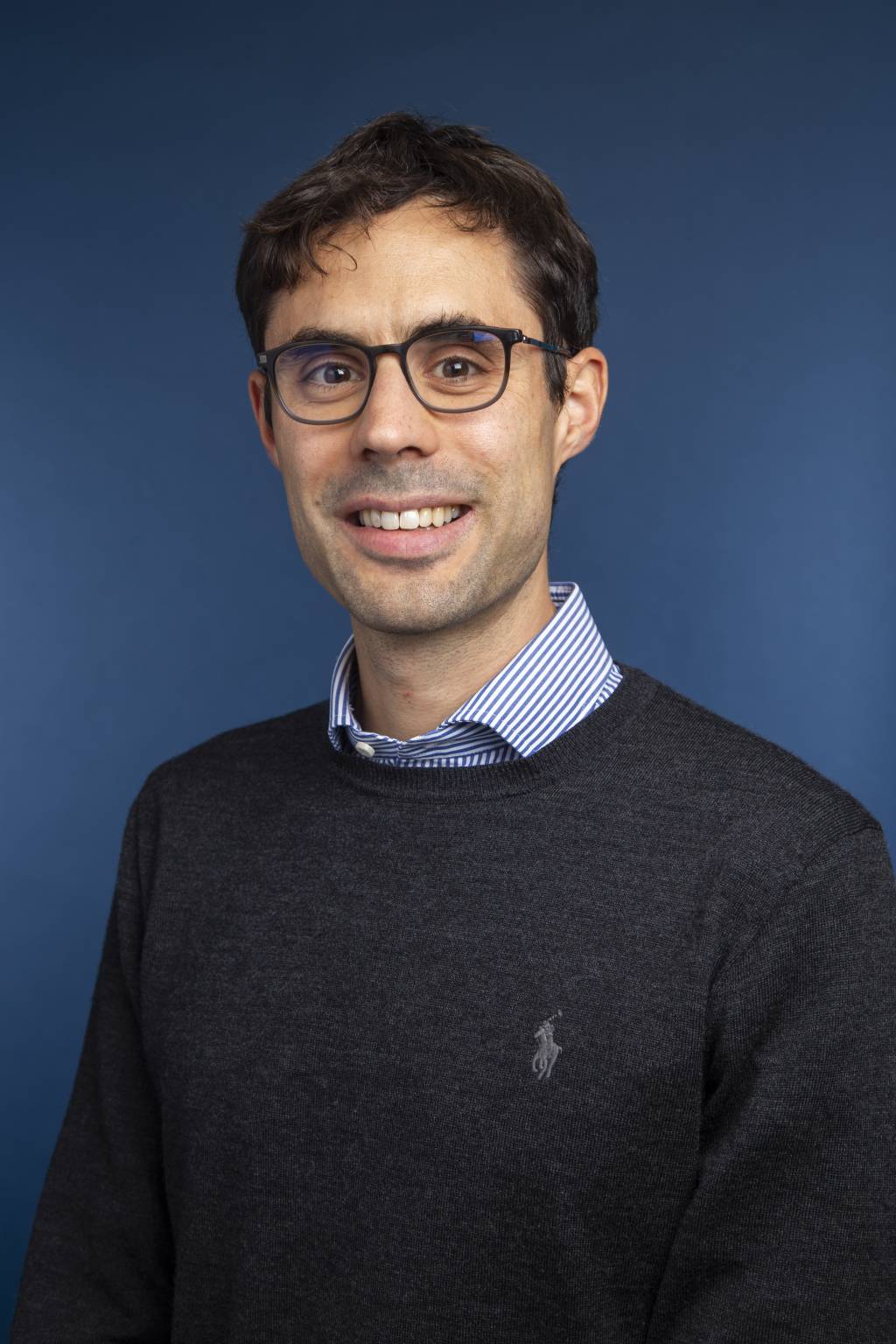
Dr. Stanislas Smajda
Stanislas Smajda currently works as interventional neuroradiologist in Cliniques Universitaires Saint Luc, Brussels, Belgium, and is research scientist in the lab of Professor Miikka Vikkula, Human Molecular Genetics, UCLouvain, Brussels, Belgium. He joined Michel Piotin’s interventional neuroradiology team at Hôpital Fondation Rothschild in Paris in 2014, and his clinical and scientific training was further enhanced by specialising in the treatment of arteriovenous malformations (AVMs), particularly in children, under the mentorship of Georges Rodesch. In parallel with this clinical work, he is conducting research into the genetics of vascular malformations, especially brain and spinal cord arteriovenous malformations, in Prof. Vikkula’s team at the Human Molecular Genetics department at UCLouvain in Brussels.
Dr. Carlos Velásquez
Carlos José Velásquez Rodriguez is Consultant Neurosurgeon at Marqués de Valdecilla University Hospital in Santander, Spain. His main clinical and research interest is neuro-oncology. He initiated and currently coordinates the Outpatient Neurosurgery program, including the Outpatient Oncological Neurosurgery protocol, at Marqués de Valdecilla University Hospital.
He completed his Ph.D. at the University of Cantabria and a Research Fellowship in Neuro-oncology at the McFeeters-Hamilton Center for Neuro-Oncology Research at the Princess Margaret Cancer Center in Toronto, Canada, under the supervision of Dr. Gelareh Zadeh (2017-2018). In addition, he accomplished the Neuro-Oncology and Skull Base Surgery clinical fellowship program (2018-2019) at the University of Toronto under the supervision of Dr. Gelareh Zadeh, Dr. Mark Bernstein, Dr. Fred Gentili, and Dr. Paul Kongkham.
Dr. Velásquez obtained his neurosurgery board certification and became a Fellow of the European Board of Neurosurgery (FEBNS). Among other awards, he has received the García-Palomo Award and the SENEC scholarship for residents. He is a member of the Spanish Neurosurgical Society (SENEC) and serves on the Education Committee of the European Association of Neuro-Oncology (EANO).
Associate professor Sebastian Ille
Dr. Sebastian Ille is a Vice Chair and Senior Managing Attending in the Department of Neurosurgery at Heidelberg University Hospital. His research interests include noninvasive brain mapping, glioma resection outcomes, and language function in neurosurgery. He has authored several influential publications in the field, contributing to studies on cortical language function and preoperative connectome analysis. Dr. Ille is an active member of several professional organizations, including the European Association of Neurosurgical Societies and the German Society for Neurosurgery. His international experience includes a research fellowship at CHU Montpellier and participation in multiple academic task forces. He trained at the Technical University of Munich.
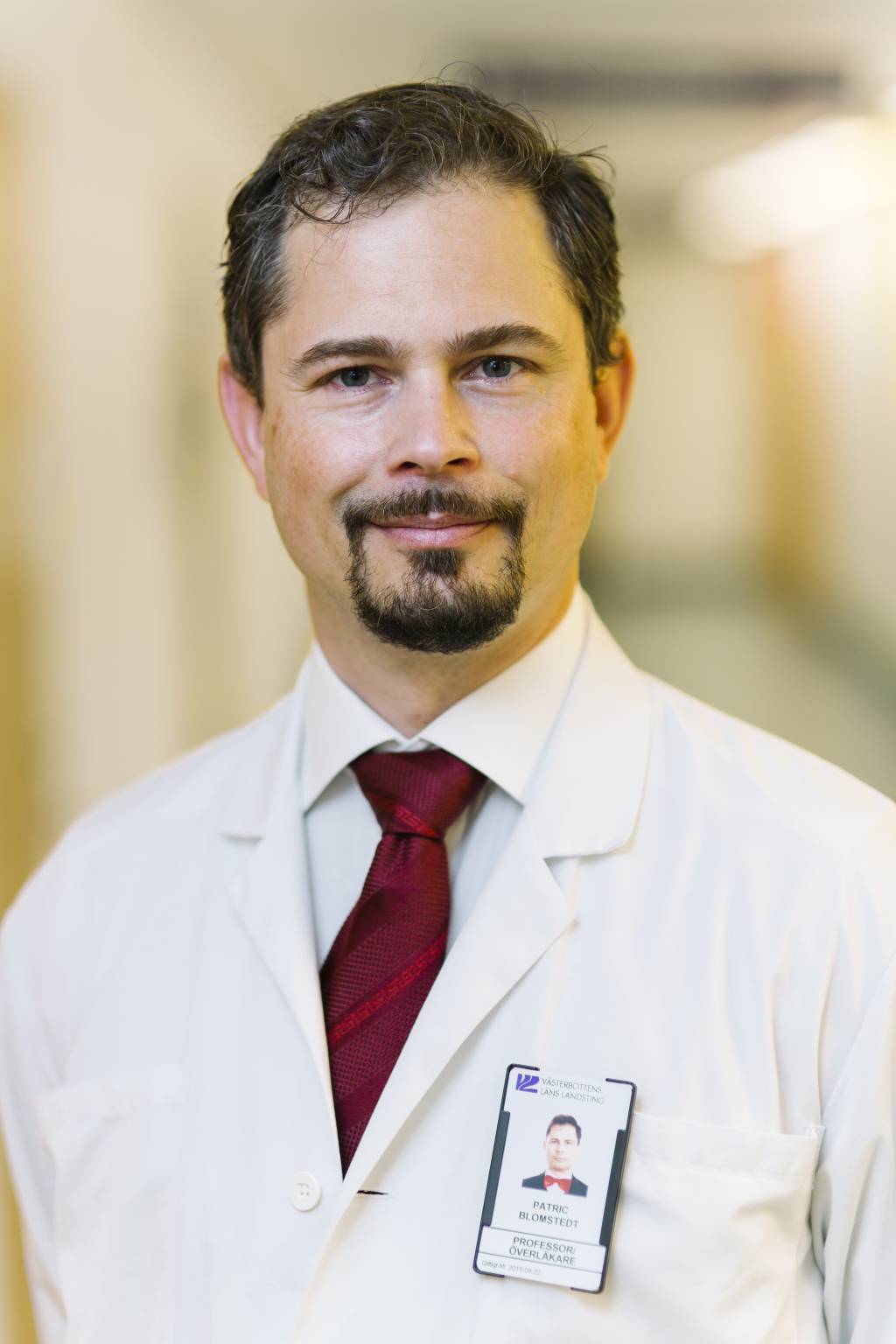
Prof. Patric Blomstedt
Patric Blomstedt studied medicine in Umeå, Sweden, where he continued his training in 1997 in Neurosurgery with Marwan Hariz as his mentor. He received a PhD in 2007. He became a professor in stereotactic functional neurosurgery in 2013 and is currently the head of the Unit for stereotactic functional neurosurgery in Umeå. He has written about 200 scientific papers and book chapters and his current research is mostly focused on the Zona incerta as a target for DBS in movement disorders and DBS in the treatment of psychiatric disorders. He is treasurer of WSSFN, second secretary of ESSFN and editor of the Stereotactic Academy (www.stereotactic.org).
Assoc. Prof. Jani Katisko
Jani Katisko is a pioneer in surgical technology and the first medical physicists in Finland to specialize in neurosurgery. With a career spanning over 30 years, he has contributed to integrating advanced physics into clinical practice to improve surgical accuracy and patient outcomes. His work focuses on the development of Image-Guided Surgery (IGS) and the technical optimization of neuromodulation, particularly Deep Brain Stimulation (DBS). He has been involved in projects developing the “Operating Room of the Future,” including the implementation of 5G connectivity, advanced visualization, and real-time multimodal imaging in neurosurgical workflows. As a research group leader and educator, he continues to contribute to the digital transformation of functional neurosurgery.
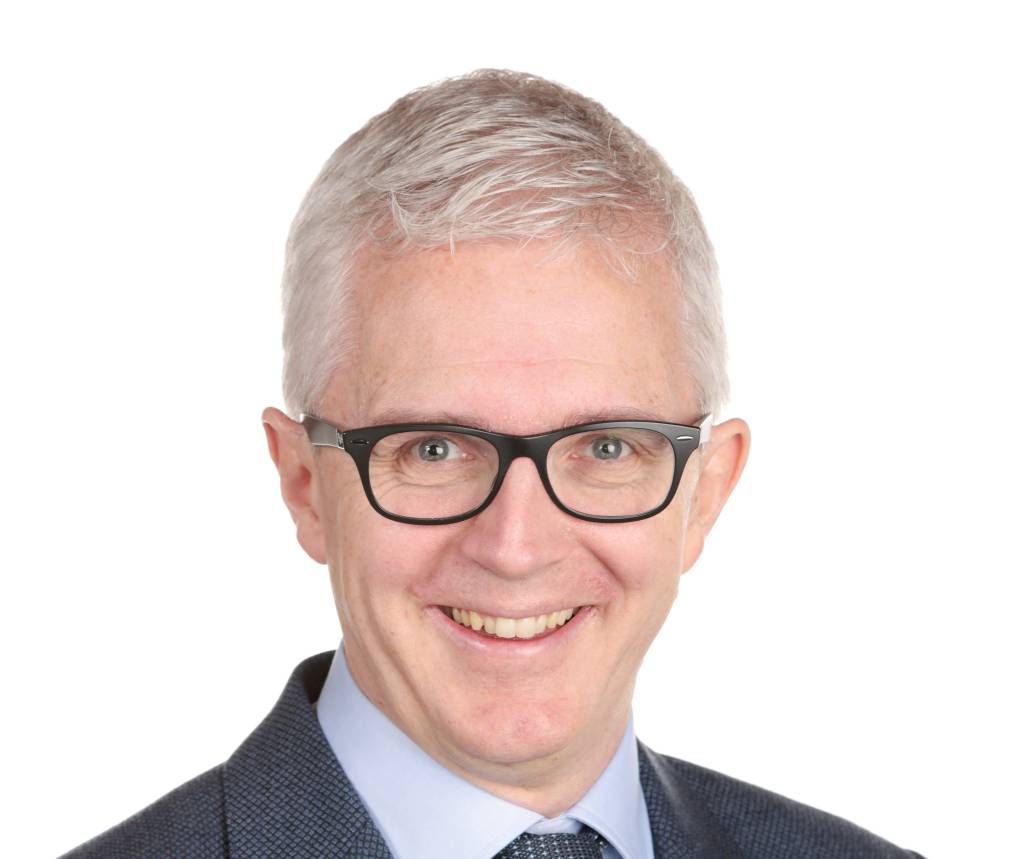
Prof. Jon Håvard Sommernes
Jon Håvard Sommernes, MD, is a consultant neurosurgeon at Oslo University Hospital, and affiliated with the Faculty of Medicine at the University of Oslo. His clinical and research interests focus on spine surgery, esp. cervical spine surgery and cervical radiculopathy. He has been involved in randomized controlled trials comparing surgical and structured non-surgical treatment for cervical radiculopathy due to disc herniation and spondylosis, including recent work published in NEJM Evidence. His current research focuses on patient-reported outcomes, predictors of treatment response, and the role of early postoperative symptom trajectories after anterior cervical surgery.
Prof. Michael T. Lawton
Michael T. Lawton is President and CEO of Barrow Neurological Institute in Phoenix, Arizona, where he holds the Robert F. Spetzler Endowed Chair in Neurosciences and chairs the Department of Neurosurgery. He received his degree in biomedical engineering from Brown University and his medical degree from Johns Hopkins University School of Medicine. He completed his neurosurgical residency and a fellowship in cerebrovascular and skull base surgery at Barrow under Professor Robert Spetzler, before joining the faculty at the University of California San Francisco, where he served for twenty years as vice chairman and chief of vascular neurosurgery, building one of the busiest cerebrovascular services in the United States. He returned to Barrow as its leader in 2017. Over his career, Dr. Lawton has surgically treated more than 5,350 brain aneurysms, 1,300 arteriovenous malformations, and 1,400 cavernous malformations — a clinical volume that has no parallel in open vascular neurosurgery. He has published over 1,000 peer-reviewed articles, more than 120 book chapters, and six single-author textbooks, and holds an h-index exceeding 112. His accolades include the Young Neurosurgeon Award of the World Federation of Neurological Societies, the AANS/CNS Dacey Medal for Cerebrovascular Research, and the AANS Cushing Award for Technical Excellence and Innovation.
Dr. Lawton is perhaps best known for the Seven series — Seven Aneurysms, Seven AVMs, and Seven Bypasses — landmark single-author surgical atlases that have become essential references for vascular neurosurgeons worldwide, combining meticulous operative illustration with a conceptual framework that makes the full spectrum of complex cerebrovascular surgery teachable and transferable. He co-directs the Barrow Aneurysm and AVM Research Center and leads the NIH-funded Brain Vascular Malformation Consortium, bridging high-volume operative practice with fundamental vascular biology research. A passionate educator, he co-founded Mission: BRAIN, an initiative bringing advanced neurosurgical training to developing countries, and launched the Seven Series online teaching platform to keep neurosurgical education accessible globally. Prof. Lawton embodies the rare combination of technical mastery, scientific rigour, and a deep commitment to teaching the next generation of cerebrovascular surgeons.
Prof. Robert Gross
Robert E. Gross is Henry Rutgers Professor of Neurological Surgery and Chair of Neurosurgery at Rutgers Robert Wood Johnson Medical School and New Jersey Medical School, and Senior Vice President for Neurosurgical Services at RWJBarnabas Health. He earned his bachelor’s degree in neural science with honours from Brown University, followed by a doctorate in molecular pharmacology and his medical degree from Albert Einstein College of Medicine in New York. He completed his neurosurgical residency at Albert Einstein/Montefiore Medical Center, a fellowship in functional and stereotactic neurosurgery at the University of Toronto, and a further visiting fellowship in epilepsy surgery at Yale University. He subsequently held faculty positions at the University of Utah and then Emory University, where he spent twenty-two years as director of the Division of Stereotactic and Functional Neurosurgery and vice-chair of the department, holding the MBNA/Bowman Endowed Chair in Neurological Surgery. Throughout his career, Dr. Gross has been continuously funded by the National Institutes of Health since 2004, serving as principal investigator on numerous R01-supported projects and clinical trials in epilepsy, Parkinson’s disease, and depression. He served as President of the American Society for Stereotactic and Functional Neurosurgery and has been a section editor of Neurosurgery and an active member of more than a dozen professional societies spanning neurosurgery, epilepsy, movement disorders and biomedical engineering.
Dr. Gross is internationally recognised as one of the leading clinician-scientists in functional and stereotactic neurosurgery, with particular expertise in the surgical treatment of drug-resistant epilepsy, movement disorders and psychiatric disease. He directed the team at Emory that was at the forefront of developing deep brain stimulation as a therapy for drug-resistant seizures, and he has been a key contributor to the clinical establishment of stereotactic laser interstitial thermal therapy (LITT) as a minimally invasive alternative to open resection for epilepsy. He co-founded and directed the Emory Neuromodulation and Technology Innovation Center (ENTICe), and his Translational Neuroengineering Research Group has pioneered closed-loop feedback strategies for neural stimulation. An exceptionally committed educator and mentor, Dr. Gross has supervised multiple neurosurgery fellows, postdoctoral research fellows, numerous doctoral students, and directed the Emory MD/PhD programme for nearly a decade. His career embodies the rare integration of hands-on surgical innovation, rigorous neuroscience, and a lifelong dedication
Prof. René Chapot
René Chapot is Professor of Radiology and Head of the Department of Neuroradiology and Intracranial Endovascular Therapy at Alfried Krupp Krankenhaus in Essen, Germany. He trained in interventional neuroradiology at the Lariboisière Hospital in Paris under Professor Jean-Jacques Merland, where he worked as Chef de Clinique and later as Praticien Hospitalier from 1995 to 2003. He subsequently served as Professor of Neuroradiology and Head of Department at the University of Limoges, France, before joining Krupp Krankenhaus in 2007, where he has led the endovascular therapy programme since. He is a world-renowned expert in the endovascular treatment of intracranial aneurysms, brain arteriovenous malformations, dural arteriovenous fistulas, and acute ischaemic stroke, and holds two device patents. With over 300 peer-reviewed publications, Prof. Chapot has made foundational contributions to the technical development of intracranial endovascular surgery.
Prof. Chapot is perhaps best known internationally for developing the pressure cooker technique (PCT), an anti-reflux method for liquid embolic embolization of brain and spinal arteriovenous malformations that has been widely adopted and is now routinely applied in centres worldwide — a testament to its elegance and clinical impact. Beyond his technical innovations, he has been an influential teacher and course faculty at major international neurovascular meetings, including LINNC and WFITN, and has lectured extensively across Europe, North America, and Asia. Prof. Chapot’s combination of technical creativity, deep clinical experience, and intellectual generosity has made him one of the defining figures of modern interventional neuroradiology.
Prof. Sébastien Froelich
Sébastien Froelich is Professor of Neurosurgery at Université Paris Cité and Chairman of the Department of Neurosurgery at Hôpital Lariboisière, Assistance Publique–Hôpitaux de Paris. He completed his medical studies and neurosurgical residency at the University of Strasbourg, before undertaking a research and clinical fellowship in skull base surgery at the University of Cincinnati under Professors Harry van Loveren and John Tew Keller. In 2008 he was appointed Professor of Neurosurgery at Strasbourg University. In 2011 he joined the legendary Department of Neurosurgery at Lariboisière under Professor Bernard George — one of the founding figures of modern skull base and craniocervical surgery in Europe — and succeeded him as Chairman in 2014. Under Prof. Froelich’s leadership, the department has consolidated its position as one of Europe’s foremost referral centres for complex skull base pathology, welcoming neurosurgical fellows and visiting surgeons from across the world, and running an Experimental Neurosurgery Laboratory founded in 2014 to develop and test novel operative techniques. He has been director since 2009 of an internationally recognised hands-on skull base training programme at the IRCAD Institute in Strasbourg and Taiwan, co-directed with the ENT surgery team, and serves as a leading voice on the EANS Skull Base Section.
Prof. Froelich is an internationally recognised authority in open microsurgical and endoscopic approaches to the skull base, with particular expertise in chordomas, chondrosarcomas, petroclival and cavernous sinus meningiomas, jugular foramen tumours, and pituitary pathology. His research programme spans translational chordoma biology — including molecular profiling and the identification of prognostic and theranostic biomarkers — the relationship between progestin exposure and meningioma growth, and the systematic development of novel endoscopic and endoscope-assisted approaches to the anterior, middle, and posterior skull base. He has been a consistent contributor to EANS skull base consensus statements on petroclival meningiomas and other complex lesions, and is an active reviewer and contributor to the major journals in the field. As the direct successor of Professor George at one of the most storied departments in European neurosurgery, Prof. Froelich has carried forward a tradition of technical excellence and international openness that continues to attract trainees and collaborators from around the world.
Prof. Hong-Qi Zhang
Hong-Qi Zhang is Professor and Chairman of the Department of Neurosurgery at Xuanwu Hospital, Capital Medical University in Beijing. He graduated from Beijing Medical University in 1993 and completed his neurosurgical training at Beijing Hospital, before pursuing consecutive postgraduate degrees — a Master’s in neurosurgery at the Institute of Gerontology of the Ministry of Health and a PhD at Peking Union Medical College. His international training spans several of the world’s most distinguished centres: early fellowships in interventional neuroradiology at the Cr2I Institute in France under Professor Jean-Jacques Merland, in microsurgery and neuroanatomy at the Medical University of Vienna under Professor Wolfgang Koos, and visiting scholarships in interventional neuroradiology and open cerebrovascular surgery in the United States under Professors Alejandro Berenstein, Michel Mawad, Gaetano DeSalles Yasargil, Al-Mefty, and Fernando Viñuela. He was appointed attending surgeon at Xuanwu Hospital in 2000 and Chief Surgeon in 2008, and has led the department as Chairman since 2015. His academic leadership extends across Chinese and international societies: he has served as General Secretary of the Asia-Australasian Federation of Interventional and Therapeutic Neuroradiology (AAFITN) from 2008 to 2025 and is currently its Vice Chairman, and he chairs the Chinese Federation of Interventional Clinical Neurosciences, the Expert Committee on Neurosurgery for Capacity Building and Continuing Education of the National Health Commission, and the Chinese Medical Association Neurosurgery Branch. He is a Member-at-Large of the World Federation of Interventional and Therapeutic Neuroradiology (WFITN) and holds the State Council Special Allowance in recognition of his scientific contributions.
Prof. Zhang is one of China’s foremost authorities in the surgical and endovascular treatment of cerebral and spinal vascular diseases, with a clinical and research programme of exceptional breadth. His group has made landmark contributions to the classification and treatment of spinal arteriovenous malformations and shunts — work recognised with multiple national science and technology progress awards beginning in the 1990s — and continues to produce high-impact clinical and translational research published in journals including Brain, Stroke, Neurology, and the Journal of Neurosurgery. His department at Xuanwu Hospital is one of the largest and most active cerebrovascular neurosurgery centres in Asia, with a research output encompassing intracranial aneurysm haemodynamics and rupture risk, dural arteriovenous fistulas, cavernous malformations, and the molecular genetics of vascular malformations. Over a career spanning more than three decades, Prof. Zhang has received twenty national and municipal awards, including the designation of National Famous Doctor and National Advanced Worker, and has been a tireless advocate for the training of young neurosurgeons across China and the wider Asia-Pacific region.
Dr. Thibault Passeri
Thibault Passeri is a neurosurgeon and Head of Clinic in the Department of Neurosurgery at Hôpital Lariboisière, Assistance Publique–Hôpitaux de Paris, under the direction of Professor Sébastien Froelich. He completed his neurosurgical training in Paris and has developed a focused subspecialty in skull base surgery, with particular expertise in the open microsurgical and endoscopic treatment of chordomas, chondrosarcomas, petroclival and clinoidal meningiomas, and craniovertebral junction tumours. Alongside his clinical work, he has pursued an ambitious translational research programme in chordoma biology in collaboration with Institut Curie and Paris-Saclay University, leading to a landmark mutational landscape study of skull base and spinal chordomas published in the Journal of Neurosurgery in 2023 that identified potential prognostic and theranostic biomarkers for this treatment-refractory tumour. His contributions to the Lariboisière experience of clival and craniovertebral junction chordoma management — spanning 29 years of institutional data — have further established the department as a European reference centre for these complex lesions. In recognition of the quality and impact of his research, Dr. Passeri was awarded the prestigious Edmond de Rothschild Medical Fellowship in 2024, enabling him to conduct a research fellowship at the University of Pittsburgh School of Medicine, where he is working on the molecular characterisation of patient-derived xenograft models to develop and test novel targeted therapies for chordoma. His career exemplifies the combination of high-level operative training in one of Europe’s most demanding skull base programmes with the scientific rigour needed to address the unmet therapeutic needs of patients with these rare and challenging tumours.
Dr. Pervinder Bhogal
Pervinder Bhogal is Associate Professor (Honorary) at the Blizzard Institute, Queen Mary University London, and Consultant Interventional Neuroradiologist at St. Bartholomew’s and the Royal London Hospital, where he has practised since 2018. He graduated in neuroscience and medicine from University College London, completed general radiology training on the Royal Free Hospital rotation and the pan-London Neuroradiology Fellowship, before undertaking an interventional neuroradiology fellowship at the Karolinska University Hospital in Stockholm. He subsequently held consultant posts at the Karolinska and at Klinikum Stuttgart under Professor Hans Henkes, before returning to London. He holds a PhD from the University of Warwick and is a Fellow of the European Board of Neurointervention (FEBNI). His h-index is 37 with over 160 peer-reviewed publications, including contributions to Stroke, the Journal of NeuroInterventional Surgery, Clinical Neuroradiology, and The Lancet Digital Health. He serves as Associate Editor for both Interventional Neuroradiology and Cardiovascular and Interventional Radiology, has contributed to ESO–ESMINT guidelines on mechanical thrombectomy and intravenous thrombolysis, and is the founder of the BRAIN Conference in London.
Dr. Bhogal’s clinical and research interests span the full breadth of interventional neuroradiology, with particular expertise in acute ischaemic stroke thrombectomy, intracranial aneurysm treatment — including flow diversion, intrasaccular devices, and neck-bridging techniques — cerebral vasospasm management, and dural arteriovenous fistulas. He has been an early adopter and evaluator of numerous novel endovascular devices, contributing first-in-human and first-in-UK series for multiple flow diverters, intrasaccular flow disruptors, and aspiration systems, alongside pre-clinical work on device biocompatibility and thrombogenicity. He is currently principal or co-investigator on several clinical trials including ProFATE, VANS, DISTAL, and the Neva One Registry, addressing key unanswered questions in stroke thrombectomy and aneurysm management. An accomplished educator with a Postgraduate Diploma in Medical Education, he has authored and edited multiple textbooks and is a regular invited faculty at the world’s leading neurointerventional meetings, including LINNC, ESMINT, WFITN, and SVIN.
Prof. Jukka Peltola
Jukka Peltola is Professor of Neurology at Tampere University and Chief Physician of the Department of Neurology at Tampere University Hospital. He completed his medical training at the University of Tampere, where he also earned his PhD, and has spent his entire career at Tampere, building one of Finland’s leading clinical and research programmes in epilepsy and neuromodulation. He is a member of the International League Against Epilepsy (ILAE) Commission on Classification and Terminology and has served on the ILAE Seizure Subtype Classification Task Force, contributing to the internationally adopted operational classifications of seizure types and drug-resistant epilepsy. He has held leadership roles in the Finnish Epilepsy Society, the Finnish Neurological Society, and the evidence-based medicine working group for Finnish national epilepsy guidelines. With over 220 publications and more than 10,000 citations, his research spans drug-resistant epilepsy, antiseizure medication outcomes, autoimmune and inflammatory mechanisms in epilepsy, and advanced neuromodulation. He serves as a peer reviewer for Lancet Neurology, Epilepsy Research, Seizure, and the European Journal of Neurology, and has participated in clinical trials and advisory boards for major epilepsy research consortia and pharmaceutical partners.
Prof. Peltola is internationally recognised above all as a leading expert in deep brain stimulation of the anterior nucleus of the thalamus (ANT-DBS) for drug-resistant epilepsy. Tampere University Hospital has established itself as a global training centre for ANT-DBS, and Prof. Peltola has served as joint course director for multiple international training programmes at the site. He was principal investigator and lead author of the MORE multicenter registry, the largest real-world evidence study of ANT-DBS effectiveness and safety, published in Neurology in 2023, which provided Class IV evidence supporting the therapy in a broad clinical population. Alongside ANT-DBS, his group at Tampere has made important contributions to the neurophysiological characterisation of the anterior thalamic target, including tractography and microelectrode recording studies that have refined targeting accuracy and treatment optimisation. His research also encompasses autoimmune epilepsy — particularly GAD antibody-associated epilepsy and the neuroimmunological underpinnings of temporal lobe seizures — and novel seizure monitoring technologies, including video-based automated detection systems developed in collaboration with industry partners in Tampere. Professor Peltola embodies the close integration of academic neurology and neurosurgery that makes Tampere a distinctive centre for the surgical and neuromodulatory treatment of epilepsy.
Dr. Magnus Tisell
Magnus Tisell is Associate Professor and Senior Consultant Neurosurgeon at Sahlgrenska University Hospital in Gothenburg, Sweden. His clinical interests span paediatric neurosurgery, vascular neurosurgery, skull base surgery, and neuroendoscopy. He has served as Chairman of the Department of Neurosurgery at Sahlgrenska (2011–2016), President of the Swedish Neurosurgical Society (2015–2019), and as the Swedish representative on the Training Committee of the European Association of Neurosurgical Societies (2016–2025), where he has been a consistent advocate for the standardisation and quality of neurosurgical education across Europe. He currently serves as Programme Director for the neurosurgical residency programme at Sahlgrenska.
Beyond his clinical and academic roles in Sweden, Dr. Tisell has dedicated a significant part of his career to the development of neurosurgery in under-resourced settings. He serves as Medical Advisor to the Department of Global Health at Oslo University Hospital, is the founder and chairman of the Swedish African Neurosurgical Collaboration (SANC), established in 2017 to build sustainable neurosurgical capacity in Africa, and since 2023 has chaired the EANS Global and Humanitarian Committee, bringing the full weight of the European neurosurgical community behind efforts to expand access to neurosurgical care worldwide. His work in global neurosurgery reflects a conviction that the skills and knowledge cultivated in high-income settings carry a responsibility to be shared, and positions him as one of the most committed voices in Scandinavian neurosurgery for addressing the profound global inequity in access to neurological care.
Assoc. Prof. Marko Neva
Marko Neva is Associate Professor (Docent) and Head of the Department of Orthopaedics and Traumatology at Tampere University Hospital, where he has built one of Finland’s most productive orthopaedic spine surgery programmes. He completed his orthopaedic training in Tampere and earned his PhD focused on spine surgery outcomes, combining a clinical practice in degenerative and complex spinal surgery with a sustained research agenda spanning lumbar disc herniation, instrumented spinal fusion, cervical spine pathology, and patient-reported outcome measures. He has contributed to national trends analyses of lumbar spine surgery in Finland and to international multicentre studies under the AO Spine platform. He served as Past Chairman of the Finnish Orthopaedic Association and is an active faculty member and frequent course chairperson for AO Spine, hosting both principles-level and advanced specimen courses at the Tampere Surgical Education Center, which under his stewardship has become a recognised hands-on training venue for Scandinavian and European spine surgeons. His dual position at the interface of orthopaedic surgery and neurosurgery — treating complex spinal pathology in close collaboration with his neurosurgical colleagues at Tampere University Hospital — makes him a natural and valued contributor to the SNS2026 programme on spine surgery.
Dr. Einar Vik-Mo
Einar Vik-Mo is Head of the Surgical Neuro-Oncology Section at the Department of Neurosurgery, Oslo University Hospital — one of the largest neurosurgical departments in Europe, performing over 4,500 procedures per year. He completed his medical and neurosurgical training in Oslo and earned his PhD in 2011 on the propagation and characterisation of stem-like cancer cells from brain tumours, establishing a clinical protocol for immunotherapeutic targeting of glioblastoma stem cells — work conducted in the Vilhelm Magnus Laboratory for Neurosurgical Research under Professor Iver Langmoen, one of Scandinavia’s most distinguished neurosurgical research groups. He holds a joint academic appointment at the Institute of Clinical Medicine, University of Oslo. His research programme has evolved from foundational stem cell biology into a broad clinical and translational neuro-oncology agenda centred on the treatment of diffuse gliomas, with a particular focus on the extent and role of surgical resection, intraoperative molecular diagnostics, and tumour heterogeneity. He is an active member of the international Response Assessment in Neuro-Oncology (RANO) Resect group, contributing to landmark consensus papers on the oncological role of resection in newly diagnosed gliomas under the WHO 2021 classification, published in The Lancet Oncology and the Journal of Clinical Oncology, and to the standardisation of tissue sampling frameworks for glioma surgery. His group has been at the forefront of applying rapid nanopore sequencing platforms — including the Rapid-CNS² system — for prospective intraoperative and near-real-time molecular profiling of central nervous system tumours, work that is translating directly into more informed surgical decision-making. He also serves on the Clinical Advisory Board of Hemispherian, a precision oncology company developing novel glioblastoma therapeutics in collaboration with the Vilhelm Magnus Laboratory. Through his dual commitment to high-volume surgical practice and internationally collaborative translational research, Dr. Vik-Mo represents a new generation of Scandinavian neurosurgeon-scientists driving meaningful progress against the most challenging brain tumours.
Prof. Timo Laitio
Timo Laitio is Professor of Anaesthesiology and Intensive Care at the University of Turku and a specialist in perioperative and intensive care medicine at the Division of Perioperative Services, Intensive Care Medicine and Pain Management at Turku University Hospital. He earned his MD and PhD from the University of Turku and has built an internationally recognised research programme at the interface of intensive care medicine, neuroprotection, and cardiac arrest resuscitation science. His research career has centred on the noble gas xenon as a neuroprotective agent — work that culminated in the landmark Xe-Hypotheca randomised controlled trial, published in JAMA in 2016, which provided the first clinical demonstration that inhaled xenon combined with targeted temperature management significantly reduces cerebral white matter injury after out-of-hospital cardiac arrest compared with hypothermia alone. A companion study, published in the Journal of the American College of Cardiology in 2017, further showed that xenon reduces myocardial infarct size in the same setting, demonstrating combined cerebral and cardiac protection. These findings attracted international attention and directly led to xenon entering pharmaceutical development for clinical use. He is currently the principal investigator of the Xe-HYPOTHECA phase II trial examining xenon neuroprotection after aneurysmal subarachnoid haemorrhage — a multicentre Finnish study coordinated from Turku in collaboration with Tampere and Kuopio University Hospitals — which brings his work into direct and highly relevant dialogue with the vascular neurosurgical community. His career exemplifies the translational model from preclinical pharmacology through rigorous clinical trial design to potential new standard of care, making him a compelling contributor to the neurocritical care and subarachnoid haemorrhage management discussions at SNS2026.
Assoc. Prof. Joonas Haapasalo
Joonas Haapasalo is Adjunct Professor (Docent) of Neurosurgery at Tampere University, Staff Neurosurgeon at Tampere University Hospital, and Principal Investigator of the Translational Brain Tumor Group at Tampere University. He studied medicine at the University of Turku, earned his PhD at the University of Tampere in 2011, and board-certified in neurosurgery in 2015. He subsequently held a research fellowship and postdoctoral position at the Arthur and Sonia Labatt Brain Tumour Research Centre at the Hospital for Sick Children, University of Toronto, in the laboratory of Professor Michael Taylor — one of the world’s leading groups in paediatric and adult brain tumour biology — before returning to Tampere in 2020. He chairs the Neuro-Oncological Tumour Board at Tampere University Hospital and the Neuro-Oncological Board of the TAYS Cancer Centre, and serves on the board of Neurocenter Finland, Tampere Brain and Mind, and the Finnish Brain Tumor Association. He holds additional qualifications in educational theory and healthcare management, and has served as a clinical lecturer and Deputy Professor of Neurosurgery at Tampere University.
With 58 peer-reviewed publications, including work in Nature Medicine and Cell, Dr. Haapasalo has built a research programme of international standing in adult and paediatric brain tumour biology, encompassing the molecular classification, biomarker discovery, and translational treatment strategies for gliomas and other CNS malignancies. He is the principal investigator of the Adult Prospective Brain Tumor study and leads the Fimlab Neuro-Oncology Group. Alongside his neuro-oncological work, his research spans functional neurosurgery, including vagus nerve stimulation for drug-resistant epilepsy and deep brain stimulation, reflecting the breadth of the Tampere neurosurgical programme. He has supervised three completed and four ongoing PhD theses, and has co-supervised nine licenciate theses, demonstrating a sustained commitment to building the next generation of Finnish neurosurgical scientists. His combination of high-level clinical practice, internationally competitive translational research, and institutional leadership makes him a central figure in Finnish academic neurosurgery.
M.D., Ph.D Kristiina Nordforss
Kristiina Nordfors, M.D., Ph.D is a pediatric hemato-oncologist with special academic interest on brain tumors. She joined professor Michael Taylor’s brain tumor laboratory at The Sonia and Arthur Labatt Cancer Center and The Hospital for Sick Children to enhance her knowledge on pediatric brain tumors. In addition, she has finished her clinical pediatric hemato-oncology diplomas both in University of Tampere and Toronto. Her translational brain tumor research group has been focusing on intraoperative diagnostics including differential mobility spectrometry (DMS), liquid biopsy and nanopore.