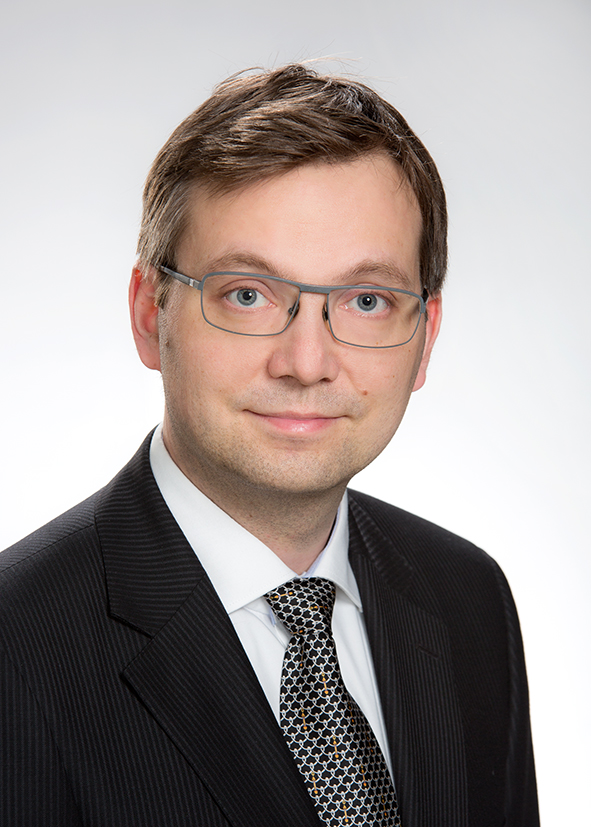
Speaker presentations
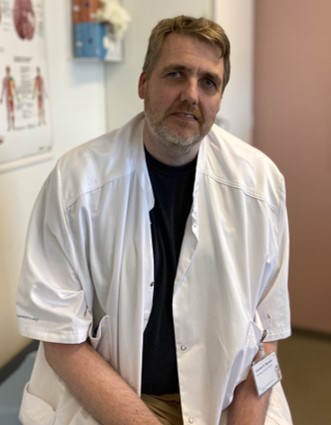
Prof. Carsten Bjarkham
Carsten Reidies Bjarkam is senior consultant and professor in neurosurgery at Aalborg University Hospital Denmark. He is a subspecialized spine surgeon focusing on the use of minimal invasive nervous decompression techniques in the treatment of elderly patients with degenerative spine disease. He is a board member of the Scandinavian and the Danish Neurosurgical Societies, and he has for many years enjoyed teaching the coming generations of Scandinavian neurosurgeons at the yearly Beitostollen course in Norway.
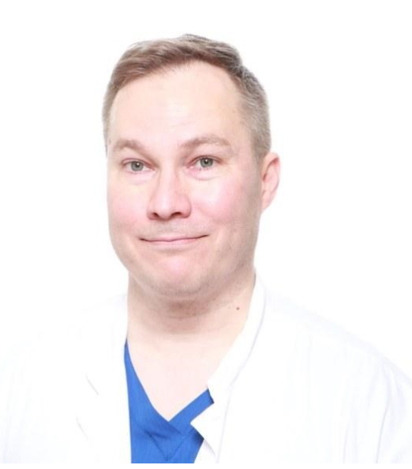
Prof. Juhana Frösén
Juhana Frösén, Professor of Neurosurgery at Tampere University and University Hospital has studied the vascular biology of vessel remodeling for more than 25-years, translating this knowledge into major advances in our understanding of aneurysm formation, growth, and eventual rupture, as well as the formation, growth, and rupture of brain AVMs (arteriovenousmalformations). Prof. Frösen is most known for his work on the pathology of the intracranial aneurysm wall, and the association of aneurysm wall remodeling with inflammation and flow conditions. Prof. Frösén develops pharmaceutical therapy for intracranial aneurysms and bAVMs, in addition to treating these diseases microsurgically.
Together with a multidisciplinary team at the Tampere University, Prof. Frösén aims to develop data-driven and knowledge-driven decision support tools to help patients with intracranial aneurysms, bAVMs, or other cerebrovascular pathologies with hemorrhagic potential, to make informed decisions that are best for them.
In addition to working on improving predictive diagnostics, patient-centered decision-support tools, and the treatments of neurosurgical disease, developing the training of the next generation of neurosurgeons is close to the heart of Prof. Frösén.
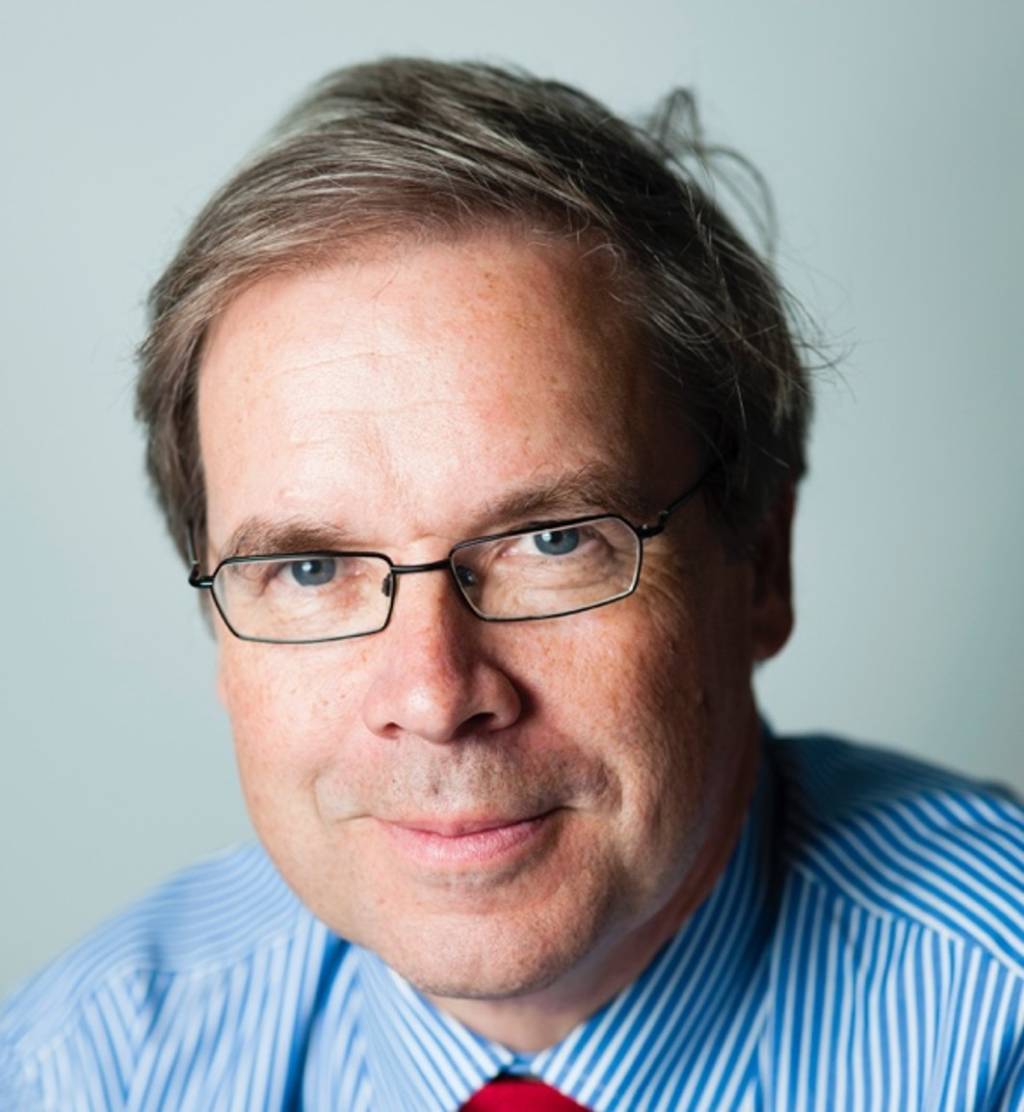
Prof. Jaakko Kaprio
Jaakko Kaprio, M.D., Ph.D. is a Research Director at the Institute for Molecular Medicine FIMM, University of Helsinki and was Professor of Genetic Epidemiology, University of Helsinki, Finland from 2001 until mandatory retirement in April 2020. He held a five-year research professorship fully funded by the Academy of Finland from 2013 to 2017. The Academy Professorship research theme was on genetics, epigenetics and epidemiology of smoking and nicotine dependence. He was Director of FIMM from Oct 1, 2015 to January 31, 2018; FIMM is an EMBL-associated biomedical research institute focusing on personalized cancer therapies, large-scale genetics studies (such as FinnGen) and use of AI in digital pathology.
Dr. Kaprio has worked in genetic epidemiology with a focus on risk factors of non-communicable disease, especially smoking and alcohol use and dependence. He has worked with the Finnish Twin Cohort studies since 1976, and with other population-based samples in Finland. He has engaged in extensive international collaborations, including multiple NIH and EU funded projects. He has served as President of the Society for Research on Nicotine and Tobacco European chapter, as President of the Behavior Genetics Association and as President of the International Society for Twin Studies. He has been active in cancer and tobacco-related NGOs in Finland. He has supervised 55 PhD students, and published over 1500 peer-reviewed articles.
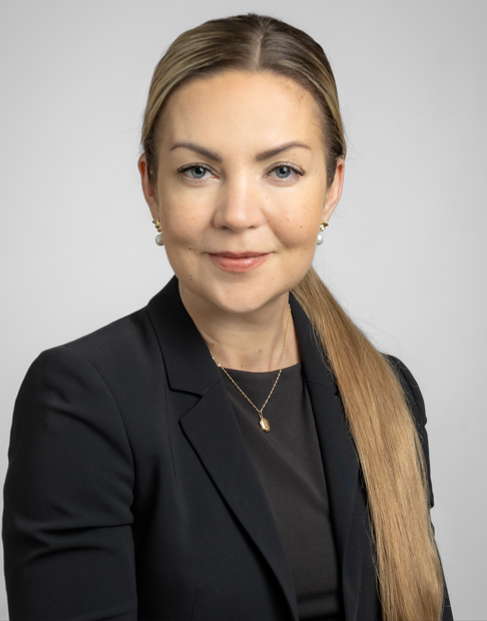
RN, PhD Julia Lindlöf
Julia Lindlöf, RN, PhD, is a registered nurse and university teacher at the University of Eastern Finland. She has over ten years of clinical experience in neurosurgical nursing at the Department of Neurosurgery, Helsinki University Hospital, Finland.
In addition to her clinical and academic work, Lindlöf has worked as a project coordinator at the Finnish Brain Injury Association, focusing on improving support for family members of individuals with traumatic brain injury (TBI) during acute care.
Her doctoral dissertation, Empowering Support Framework for Family Members of Individuals with Traumatic Brain Injury – a mixed-methods study (2025), developed an Empowering Support Framework (ESF) to support family members in neurosurgical and neurological acute care settings and evaluated its applicability in nursing practice from the perspective of registered nurses.
Lindlöf’s research and professional interests focus on family-centred care and the role of family members in supporting patient participation during acute neuro care. She is particularly interested in developing more equitable and systematic nursing practices to ensure that family members receive consistent support regardless of the care setting.
Prof. Ivan Radovanovic
Dr. Ivan Radovanovic is an open vascular neurosurgeon, and a professor and research scientist at the Krembil Institute at Toronto University. His clinical interests include the treatment of cerebrovascular pathologies with hemorrhagic potential, and his research activities also include the study of the pathological mechanisms driving these diseases. His research group has made fundamental discoveries on the pathogenesis of brain AVMs, opening new possibilities for drug therapy of these lesions.
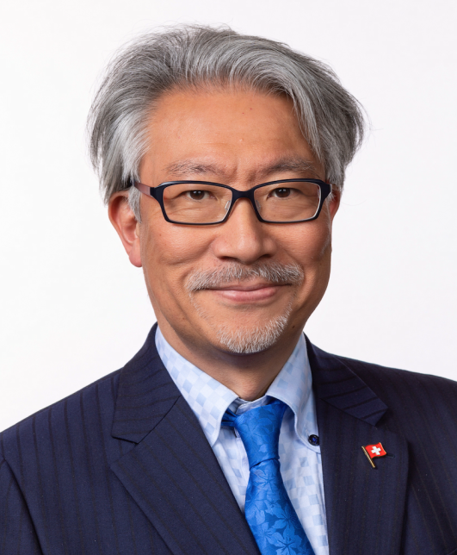
Prof. Michihiro Tanaka
Prof. Michihiro Tanaka is a Japanese neurosurgeon and neurointerventional pioneer, Director of the Neurocenter, Neurosurgery and Neuroendovascular Surgery at Kameda Medical Center in Chiba, and former President (2022-2024) of the World Federation of Interventional and Therapeutic Neuroradiology (WFITN). Trained in Osaka, Yokohama and at the University Hospital of Zürich under mentor Prof. Anton Valavanis, he combines microneurosurgery with advanced endovascular therapy. His specialty is neuroendovascular surgery grounded in functional vascular anatomy and embryology, treating intracranial aneurysms, brain AVMs, dural AVFs and spinal cord vascular malformations using high resolution imaging modalities. Known internationally for work on the angioarchitecture and developmental origin of AVMs and dAVFs, he has helped refine risk assessment and minimally invasive strategies for complex cerebrovascular and skull-base disease while training the next generation of neurovascular specialists.
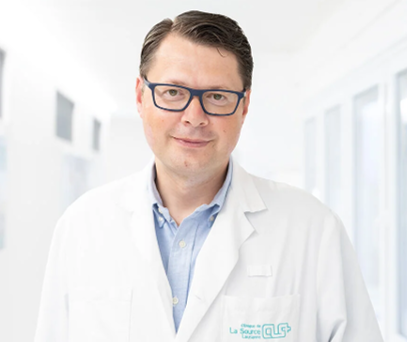
Assoc. Prof. Constantin Tuleasca
Constantin Tuleasca, MD-PhD, currently works as a neurosurgeon in Clinique de La Source and Swiss Medical Network in Lausanne, Switzerland. He is also Associate Professor of Neurosurgery at the University of Medicine and Pharmacy “Gr. T. Popa” in Iași, Romania.
A clinician–scientist, he completed his neurosurgical training at Lausanne University Hospital (CHUV, 2007-2025), complemented by three international fellowships: stereotactic radiosurgery in Marseille (Prof. Régis, 2010-2011), intramedullary tumors and rare spinal malformations in Paris (Prof. Parker, 2018-2019), and neuro-oncology/spinal surgery in Lille (Prof. Reyns, 2019-2020).
Dr. Tuleasca obtained his MD–PhD from the University of Lausanne in 2018, receiving the Excellence Prize in 2019. He is Swiss Board certified in Neurosurgery since 2019. He has authored or co-authored more than 160 peer-reviewed papers in leading scientific journals and served as a staff neurosurgeon at the public hospital in Lausanne (CHUV) between 2022 and 2025.
His contributions have been recognized with several prestigious honors, including the Young Professional Award of the International Stereotactic Radiosurgery Society (ISRS), two distinctions from the French Academy of Medicine (Paris), and awards from the European Association of Neurosurgical Societies (EANS). He also served as a member of the ISRS Board (2019–2025). He is currently a member of the Radiosurgery and Frontiers panels in the EANS.
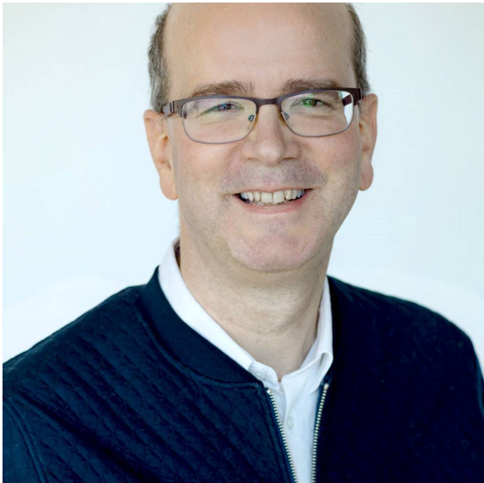
Prof. Mark van Gils
Mark van Gils is Professor of Digital Healthcare, leading the research group Decision Support for Health, at Tampere University and Adjunct Professor in physiological signal processing at Aalto University. Activities in his over 25-year career in health data analysis have ranged from AI-driven patient monitoring in critical care to preventive approaches during daily living. He has special interest in data-driven approaches that take into account real-life challenges, such as dealing with imperfect data, heterogeneity of data sources, and ambiguity in outcomes. He has worked tightly with renowned university hospitals and health tech companies, and he has obtained extensive experience in carrying out leading roles, including coordination, in multi-disciplinary international research consortia, such as in EU projects.
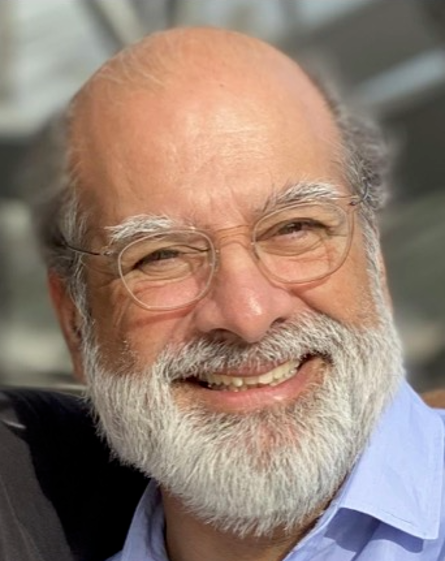
Prof. Ajay Wakhloo
Dr. Wakhloo earned both his MD and PhD in endocrinology and metabolic disorders from the University of Mainz, Germany. He completed fellowships in diagnostic and interventional neuroradiology, as well as endovascular neurosurgery, at the University of Freiburg, SUNY Buffalo, and the BNI in Phoenix. In 1995, he was awarded the venia legendi from the University of Tübingen, Germany, for his research and thesis on flow diversion for brain aneurysms. He served as an Associate Professor in the Department of Neurosurgery at SUNY Buffalo (1995-1999), a Professor of Radiology, Neurology, and Neurosurgery at the University of Miami (1999–2005), and Professor and Chief of Neurointervention and Neuroimaging at the University of Massachusetts Medical School (2005–2018) and at the Beth Israel Lahey Clinic, Boston (2018–2023).
He currently holds the position of Professor at Tufts University School of Medicine and serves as CMO and CEO for various start-ups. His groundbreaking contributions have earned him numerous scientific awards from the Whitaker Bioengineering Research Foundation, the German Society of Neuroradiology, and the Society of Vascular Interventional Neurology Innovation. He was named a Fellow of the AHA and Stroke Council and a Fellow of the Society for Neurointerventional Surgery. Renowned as the father of flow diversion, Dr. Wakhloo was the first to introduce the concept in 1989. His pioneering work also extended to stent retriever thrombectomy for acute ischemic stroke, published in 2008. Holding multiple U.S. patents for neurovascular devices, he has been at the forefront of innovation. Dr. Wakhloo has served on editorial boards of major medical journals, played key advisory roles in Medtech companies, and secured private and federal research funding as a PI and Co-Investigator on numerous grants from NIH and industry. With over 500 peer-reviewed publications, book chapters, and scientific articles, he continues to advance the field of neurovascular medicine.
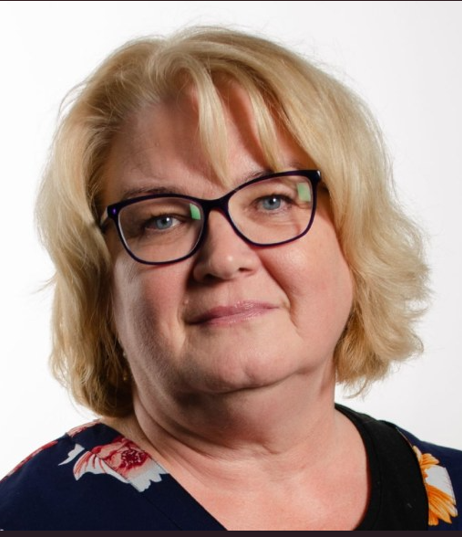
Prof. Arja Halkoaho
Arja Halkoaho is Professor of Practice in P4 medicine, jointly appointed by Tampere University and Tampere University of Applied Sciences (TAMK). Her work focuses on advancing predictive, preventive, personalised and participatory healthcare by strengthening patient participation and integrating ethical, genomic and clinical perspectives into health research and practice.
Halkoaho leads a research group at TAMK and specialises in healthcare ethics and the use of genomic data in clinical contexts. Her research explores how citizens’ voices, data‑driven insights and professionals’ competencies can together transform healthcare systems toward patient‑centred P4 medicine.
Through multidisciplinary collaboration and participatory methods, she aims to build robust research and development platforms that bring together academic expertise, healthcare needs, and patient engagement. Her mission is to contribute to a healthcare ecosystem in which patient participation is central to improving health outcomes and strengthening the societal impact of medicine. For more Prof. Halkoaho’s research, please visit: www.tuni.fi/en/research/precise
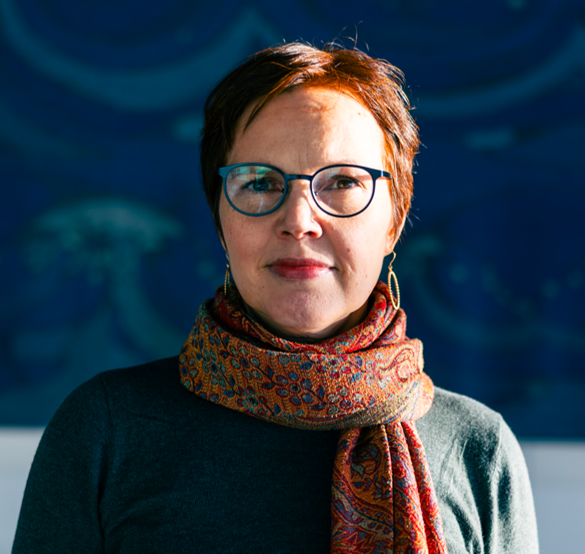
Prof. Leena Forma
Leena Forma is Professor of Health Economics at Tampere University and Research Director at University of Eastern Finland. Her research has focused on use and costs of health and social services among older people and economic evaluation in multiple contexts. Currently, she is leading a work package ‘Diet and economy’ in a consortium assessing the impact of nutrition recommendations, funded by the Research Council of Finland. She is an expert in register studies, including cross-country comparisons between Nordic countries.
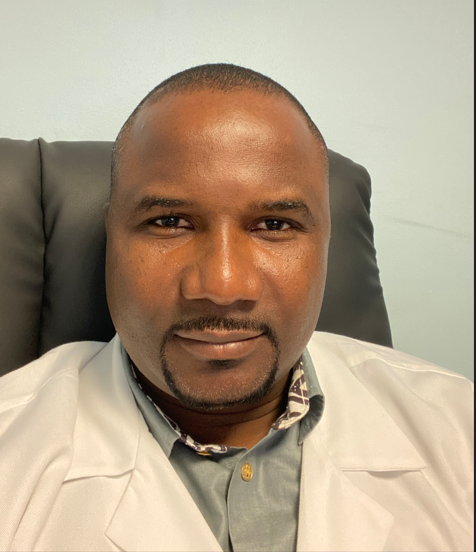
Dr. Olivier Ouambi
Dr. OUAMBI Li-iyané Olivier from Chad is a neurosurgeon trained in Morocco and France. He is the general secretary of the Chadian society of neurosurgery and member of the continental African Association of Neurosurgeons (CAANS). Dr. Ouambi works at the university hospital la Renaissance of Ndjamena and is a senior lecturer at the faculty of medicine. Dr. Ouambi’s field of interest in the skull base neurosurgery and vascular neurosurgery, but as the number of neurosurgeons in Chad is only 7 for 19 million people, all neurosurgeons in Chad are used to managing all neurosurgical diseases, including pediatric cases.
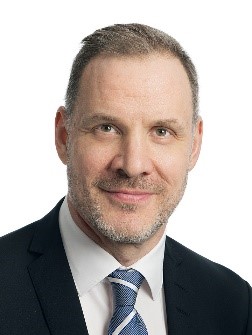
Dr. Kai Lehtimäki
Dr. Kai Lehtimäki is the current Head of the neurosurgery department at Tampere University Hospital, and associate professor of neurosurgery at Tampere University. Dr. Lehtimäki’s main interest is in functional neurosurgery and deep brain stimulation, and he is a member of both the Executive committee of European Society of Stereotactic and Functional Neurosurgery (ESSFN), as well as a member of the ILAE Neuromodulation and Minimally Invasive Surgery Task Force of the Epilepsy Surgery Commission (2025-). Dr. Lehtimäki also serves as a course director at European Continuing Medical Training (ECMT) (ANT-DBS in epilepsy).
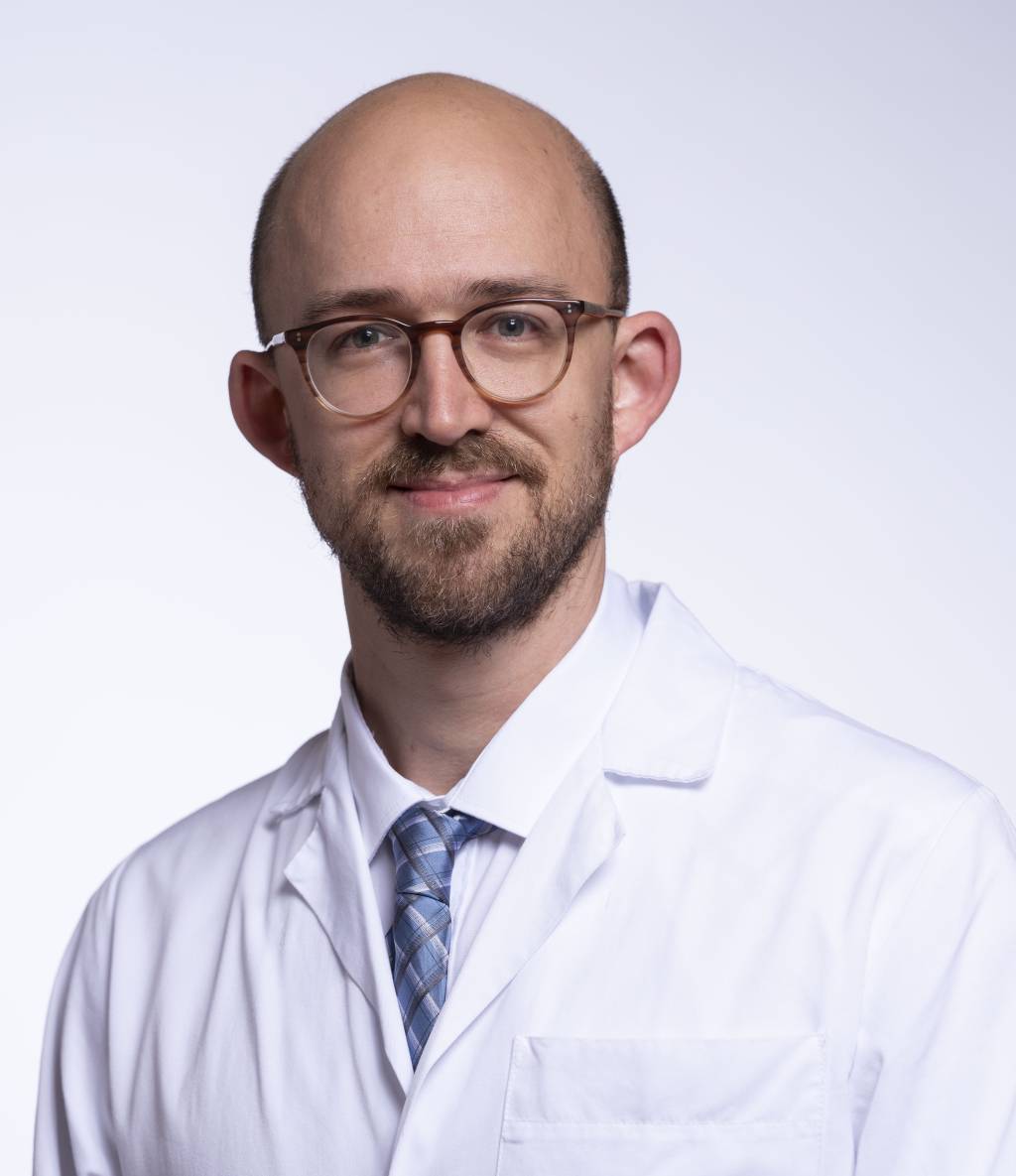
Prof. Martin N. Stienen
Martin N. Stienen is professor of neurosurgery at the University of Zurich, Switzerland. He holds a board-certification in neurosurgery (CH) after residency in St.Gallen, Geneva and Zurich and is Fellow of the European Board of Neurological Surgeons (FEBNS). He conducted a 1-year fellowship in comprehensive, complex and minimally-invasive spine surgery at Stanford University and a six-week fellowship in endoscopic spine surgery at Gangnam Severance Hospital in Seoul, Korea. Prof. Stienen is Co-chair of the Interdisciplinary Neuro-Ortho Spine Center at the Kantonsspital in St.Gallen (H-OCH Health Ostschweiz & University of St.Gallen), leads a productive research lab and is associated with and active in many professional societies (EANS, Eurospine, AO Spine, amongst others).
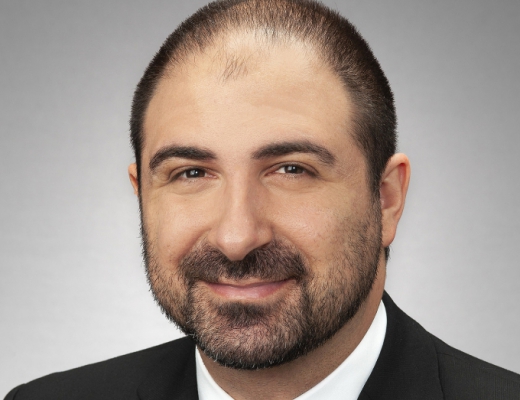
Assoc. Prof. Georgios Zenonos
Georgios A. Zenonos, MD is Associate Professor of Neurological Surgery at the University of Pittsburgh School of Medicine and Neurosurgical Director of the Center for Cranial Base Surgery as well as the Pituitary Center of Excellence at the University of Pittsburgh Medical Center. He also serves as Director of the Neurosurgery Skull Base Fellowship Program, Director of the Cranial Nerve Program and Director of Clinical Operations at UPMC Presbyterian Hospital, the flagship hospital for the Department of Neurological Surgery.
Dr. Zenonos completed two fellowships in skull base surgery, one focusing on endoscopic and minimally invasive approaches at the University of Pittsburgh, and another focusing on complex cranial neurosurgery and cerebrovascular neurosurgery at the University of Miami with Jacques J. Morcos, MD, and Roberto C. Heros, MD.
Dr. Zenonos has published extensively, has given numerous presentations nationally and internationally. He serves on the editorial board of both the Journal of Neurosurgery Publishing Group as well as Operative Neurosurgery and has been frequently invited as a scientific reviewer by prominent neurosurgical journals.
His specialized areas of interest include endoscopic endonasal neurosurgery, minimally invasive neurosurgery, skull base tumors, skull base pathology, neuro-oncology, cerebrovascular neurosurgery, cranial nerve disorders, and radiosurgery.
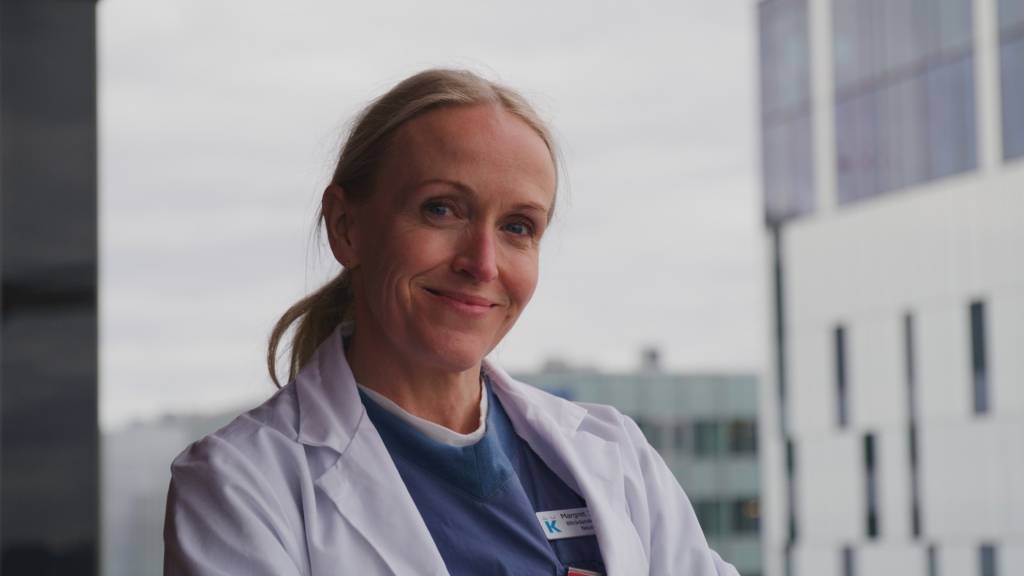
Dr. Margret Jensdottir
Dr. Margret Jensdottir is a Senior Consultant Neurosurgeon at Karolinska University Hospital in Stockholm, Sweden, a position she has held since 2018. She specializes in neuro-oncological surgery, glioma surgery, awake surgery with functional mapping, and stereotactic laserablations, LITT.
She received her MD from the University of Iceland in 2002 and completed her neurosurgery residency in Copenhagen, Denmark, becoming board-certified in 2012. She is currently pursuing a PhD at the Karolinska Institute focusing on neurosurgical treatment patterns and outcomes in low-grade glioma, with her doctoral dissertation scheduled for March 27, 2026.
Her research centers on neuro-oncological surgery, particularly gliomas, surgical outcomes, and stereotactic laser ablation techniques, and she participates in international research collaborations and clinical trials.
In addition to her clinical and research work, Dr. Jensdottir plays an active leadership role in the field. She is President of the Swedish Neurosurgical Society (since 2022) and has served on national cancer registries and CNS tumor research groups in Sweden. She is also involved in education, teaching neurosurgery residents and serving as an examiner for the Swedish Board Exam in Neurosurgery.
Associate Professor Päivi Koroknay-Pál
Päivi Koroknay-Pál, MD, PhD is a senior consultant neurosurgeon at the Department of Neurosurgery, Helsinki University Hospital, Finland. She has a PhD degree both in physics and in medicine.
Dr Koroknay-Pál did her neurosurgical training in Helsinki under prof. Juha Hernesniemi. For more than 10 years her main clinical focus has been on complex brain tumors, epilepsy surgery, pediatric neurosurgery and intraoperative monitoring. Her research work is on epilepsy surgery, brain tumors (especially cellular models in malignant brain tumors and mathematical models describing pharmacokinetic properties of chemotherapeutic agents) and vascular neurosurgery. Dr Koroknay-Pál is the current Finnish national delegate at the EANS Training committee.
Dr Koroknay-Pál is an international level expert in microneurosurgical management of complex eloquent area gliomas, especially in awake surgeries, monitoring and mapping.
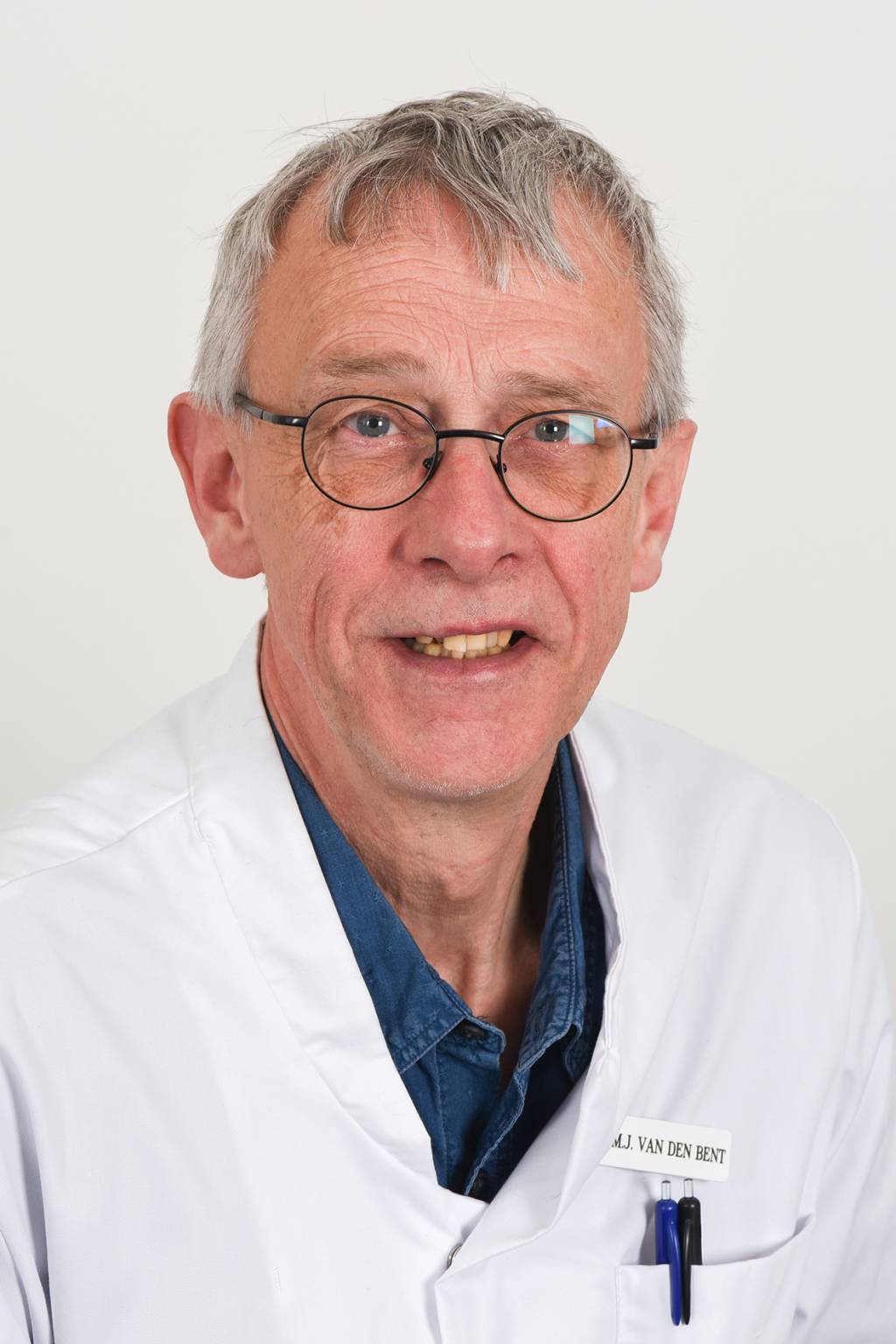
Prof. Dr. Martin van den Bent
Prof dr Martin J. van den Bent is trained as a neurologist. He joined in 1992 the Neuro-Oncology Unit of Erasmus MC Cancer Center in Rotterdam, the Netherlands. He has been the principal investigator of many international multicenter phase II and III trials on both high- and low-grade glial tumors that contributed to the standard of care of glioma patients. From 2003 to 2009 he was the chair of the EORTC Brain Tumor Group, from 2012 to 2018 he served as a board member of the EORTC. Between 2018 and 2020 he was president of the European Association of NeuroOncology. From 2020 to 2022 he served as the chair of the EANO guideline committee. He is one of the coordinating members of the Response Assessment in Neuro-Oncology (RANO) group. He is the recipient of several SNO awards for Excellence in Clinical Research. After his retirement in July 2024, he became the chair of the EORTC Protocol Review Committee, and he still holds a position at Erasmus MC.
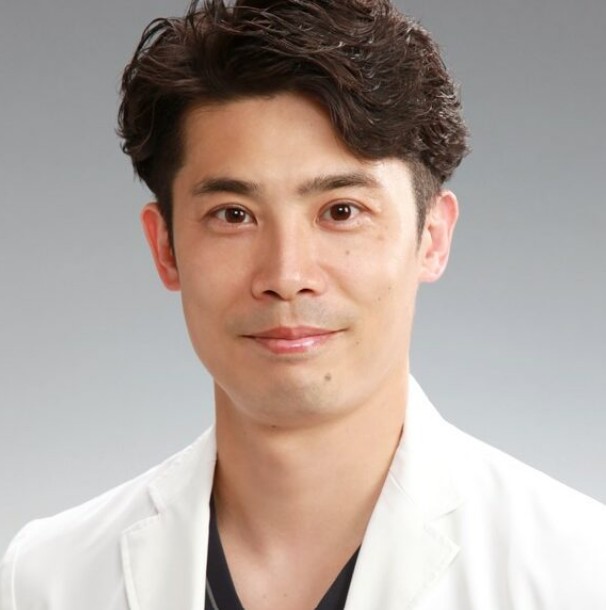
Fumihiro Matano
Prof. Jeroen Boogaarts