
Plenary speakers

Charlotte Taylor
Charlotte Taylor is Professor Discourse & Persuasion at the University of Sussex. Her research is concerned with how language is used to effect change in our evaluation, understanding and action. Her projects have included analyses of the language of mock politeness, the representations of migration and people who move, the rhetorical functions of water metaphors, and the persuasive use of nostalgia in discourse. She combines the framework of corpus linguistics with (critical) discourse studies and pragmatics and has a long-standing methodological interest in the impact of the researcher on the researched and the role of absence and silence in discourse.

Massimiliano Demata
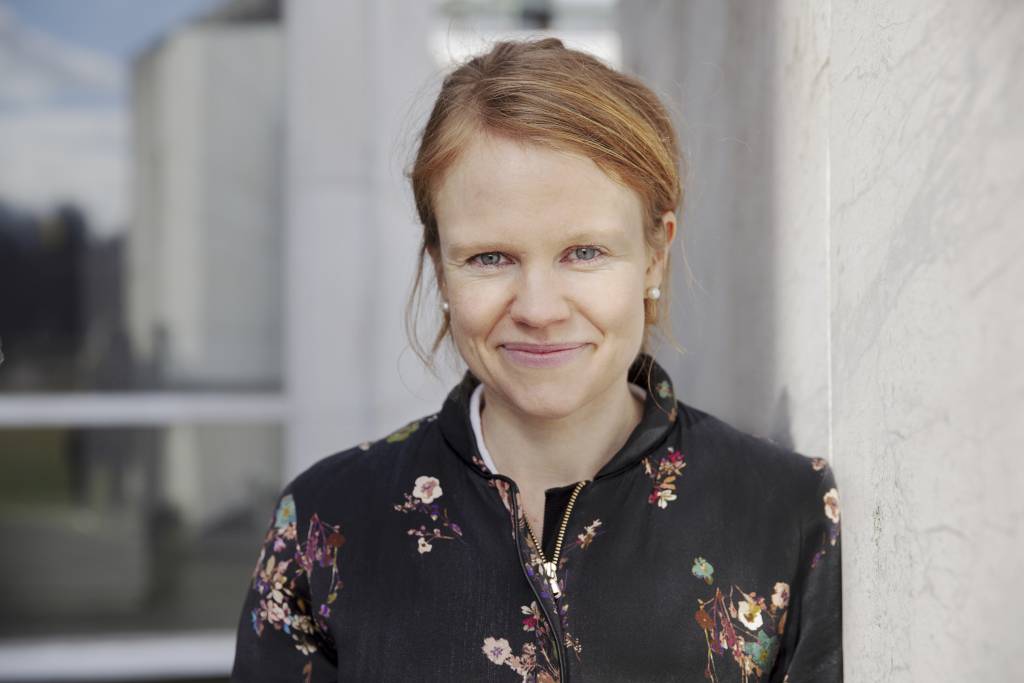
Katarina Pettersson
Katarina Pettersson is Assistant Professor of Social Psychology and Academy Research Fellow (2025–2029) at the University of Helsinki. Her research explores how persuasive language shapes political identities, gendered ideologies, and processes of polarization in contemporary societies. She examines right-wing populist rhetoric, anti-feminist discourse, and online hate, with particular attention to how collective identities and moral boundaries are discursively constructed and legitimized. Methodologically, her work draws on critical discursive, rhetorical, and multimodal approaches, combining social psychological theory with fine-grained analysis of language in political speeches, media texts, and digital platforms. Pettersson leads the Research Council of Finland-funded YOPO project on gender polarization among young people, investigating how polarizing narratives circulate across social and digital contexts and how they influence belonging, participation, and democratic engagement. She also directs the MOSH project on urban micro-segregation, examining how everyday spatial and communicative practices reproduce or challenge social divisions.