

Keynote speakers
September 16th, 2027
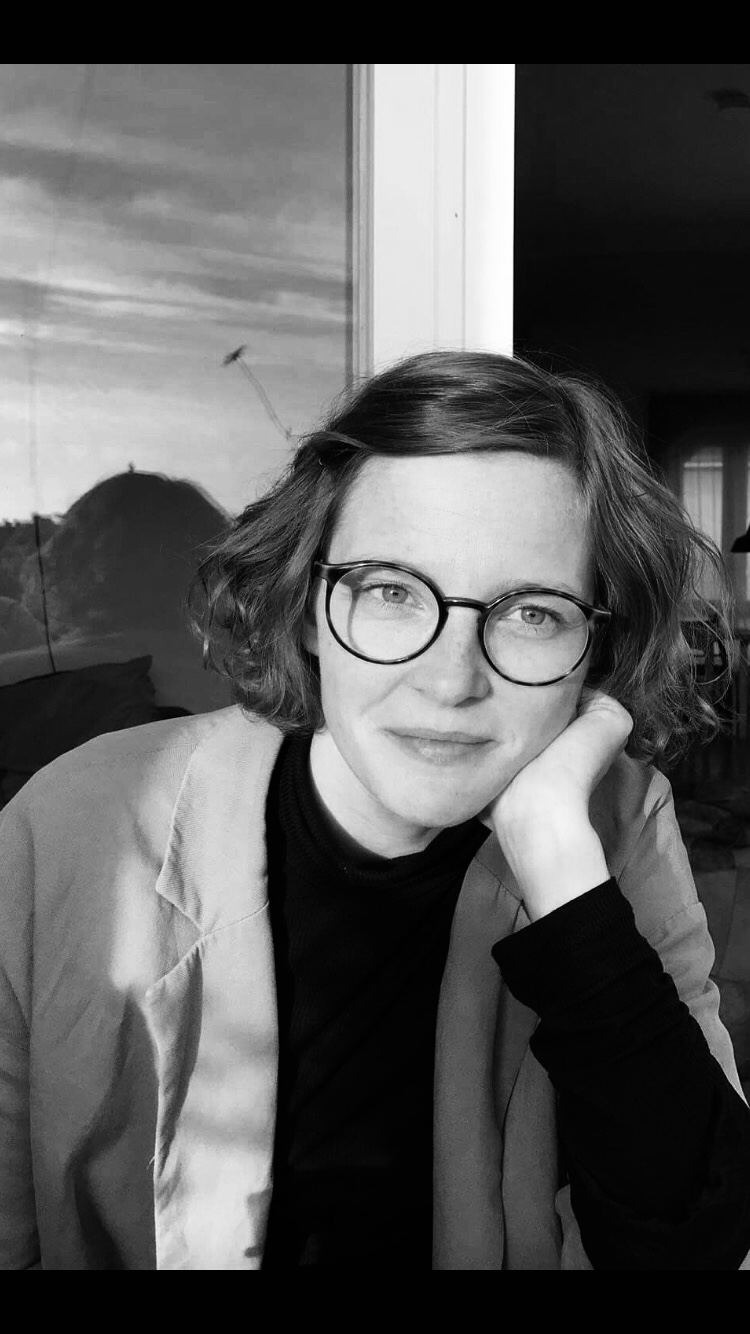
Maja Klausen
Maja Klausen, PhD, is Associate Professor in Media Studies at the Department of Design, Media and Educational Science, University of Southern Denmark. Her research explores the role of media in everyday life with a special focus on digital health communication and how people engage with media technologies, data, and digital communication in relation to health and (chronic) illness, both within the Danish healthcare sector and in everyday life.
Contributing to the health humanities, she investigates how health and illness are shaped through media, cultural, social, and political processes. Drawing on existential media studies, new materialism, critical data studies and media ethnography, her research foregrounds everyday experiences and user perspectives, contributing critical insights into digital health and broader questions of care, wellbeing, and what it means to live a good life in contemporary digital societies.
She has been part of several projects, most recently Digital Consultations (2017-2021, University of Southern Denmark), Datafied Living (2020-2025, University of Copenhagen) and is currently PI of the ToSleep-project (2025-2028, funded by Carlsberg Foundation) investigating everyday entanglements of media and sleep and how media and (digital) technologies restructure contemporary notions of deceleration and sleep. She is Editor at Qualitative Health Communication (QHC) and subject editor at Lex – The Danish National Encyclopedia, where she writes about social media platforms. She is co-chair of the NordMedia Division Media, Communication and Health and part of initiating the Nordic Network on Media, Communication and Health (NNMCH) connecting Scandinavian scholars studying health and digital media.
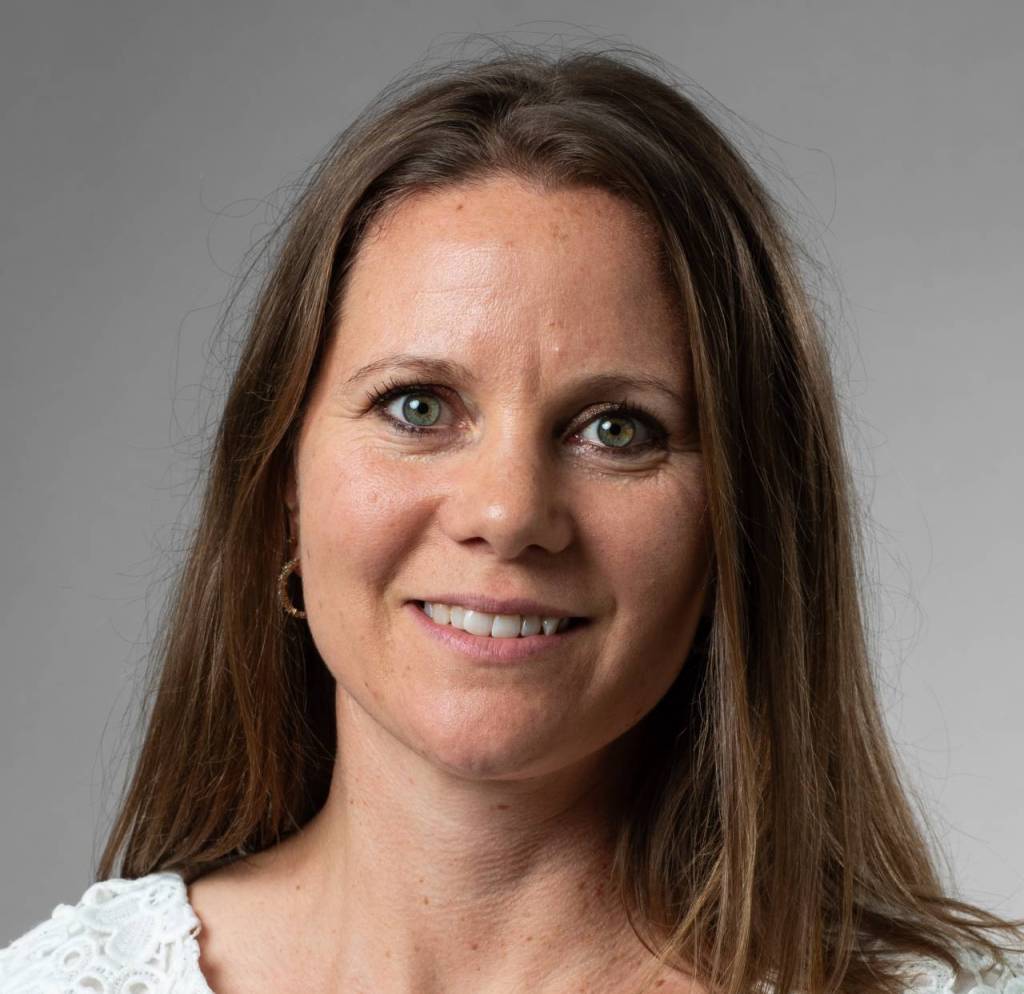
Matilde Nisbeth Brøgger
Matilde Nisbeth Brøgger, PhD, is Associate Professor of Health Communication at Aarhus University, Denmark. Drawing on qualitative and text-oriented approaches, her research examines how communication is experienced, practiced, and negotiated across a range of healthcare contexts, including doctor-patient interactions, patient-to-patient communication, helpline services, clinical documentation, and medical translation.
A central theme in her scholarship is the communicative impact of emerging digital platforms and genres in healthcare. Her research has explored topics such as email consultations between patients and general practitioners, the language of (AI-generated) clinical documentation and the communicative role of telephone-, chat- and SMS-based helplines.
Through these studies, she investigates how healthcare professionals, support providers, and service users employ linguistic and communicative resources to negotiate meaning, relationships, care, and decision-making. Much of her work is conducted in close collaboration with healthcare practice fields, with the dual aim of generating new knowledge and improving communicative practices in clinical contexts.
She has been part of several projects, most recently Tensions in AI-assisted documentation: The changing texture of general practice medical records (2026-2027, funded by Health Mission, Aalborg University), Bewildered. An intervention study on frequent users’ communication with social counseling services (2024-2027, funded by VELUX foundation) and Clear Communication of Forensic Medical Knowledge (2021-2023, funded by Helsefonden). She is Co-Director of the Center for Health Communication (CHEC) and Research Programme Co-Director for Communication in International Business and the Professions at Aarhus University. She is also Editor-in-Chief of Qualitative Health Communication (QHC).
September 17th, 2027

Mikko Jauho
Mikko Jauho is Adjunct Professor in Sociology and Senior Researcher at the Centre for Consumer Society Research in the Faculty of Social Sciences at the University of Helsinki.
As a critical public health scholar, his research has addressed the politics and practices of illness prevention and health promotion, both from historical perspectives and in contemporary contexts. His dissertation looked at the pre-WW2 fight against tuberculosis as a site of the emergence of the modern notion of public health in Finland. Another focus has been risk factor medicine and lifestyle health, on which he is preparing a book manuscript, with the prevention of coronary heart disease in Finland as the empirical entry point. His new project studies emerging nature-based solutions for public health, focusing on microbe-mediated environmental interventions against allergies and other autoimmune diseases.
Situated at the nexus of Sociology of Health and Illness, Science and Technology Studies, and Governmentality Studies, his research looks at how health issues are framed, the programs and projects developed and deployed to address these issues, and how citizens interpret these framings and adopt the programs in their everyday life. The domain of health and illness is conceived as a fluid and contested terrain, where various actors meet, negotiate, and contest. Special emphasis in his work has been on the interface between experts and policy actors on the one hand and non-experts and laypeople on the other, with studies covering topics such as the medical profession and the framing of expertise, programs of chronic disease prevention, and nutrition guidelines as well as lay epidemiology of coronary heart disease, alternative dietary regimes, and everyday cholesterol control and weight management practices.
Image: Veikko Somerpuro