
Keynote speakers
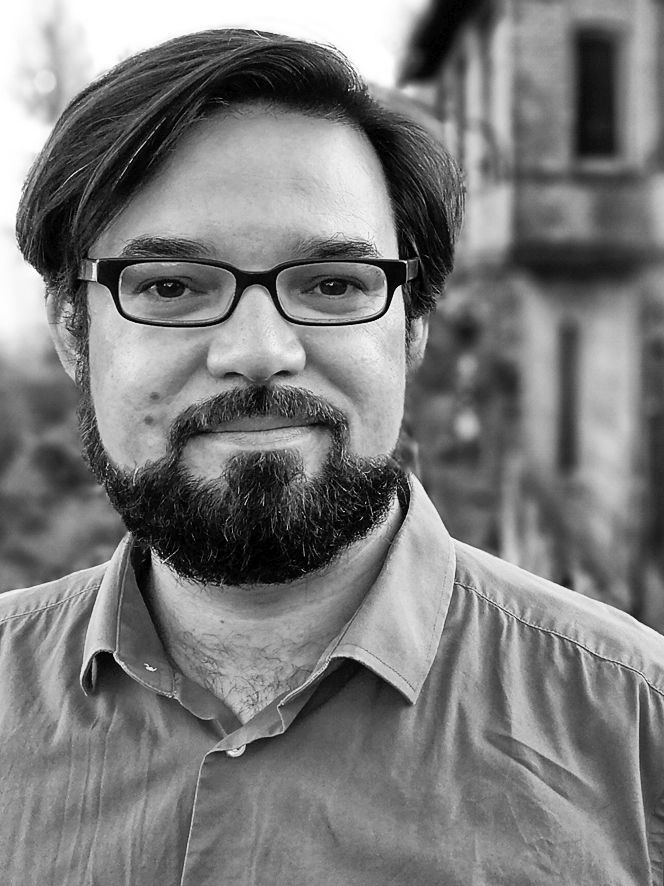
Professor Benno Gammerl
Benno Gammerl is professor for the history of gender and sexuality at the European University Institute in Florence, Italy. He researches diversity and difference, exclusion and participation in an intersectional perspective. He engages with postcolonial and feminist theories, queer approaches, oral history methods and the history of emotions. Before joining the EUI in 2021, he helped to establish the Centre for Queer History at Goldsmiths, University of London and worked at the Max Planck Institute for Human Development, Centre for the History of Emotions.
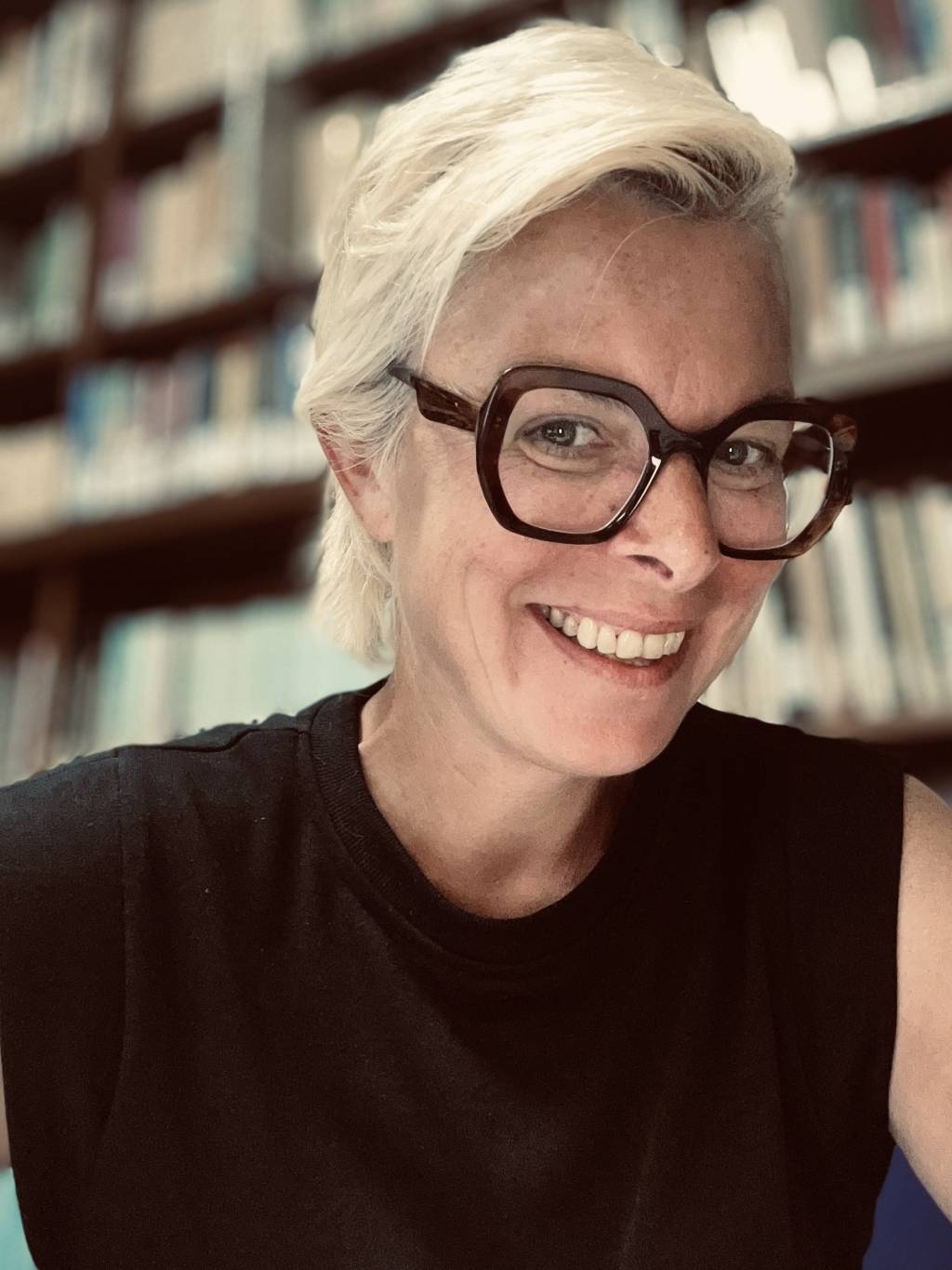
Professor Dolorès Martin Moruno
Dolores Martín-Moruno is a tenured Senior scientific researcher at the Milá y Fontanals Institution for Research in the Humanities, Spanish National Scientific Council (IMF-CSIC), Barcelona, and associate member of the Institute of Gender Studies at the University of Geneva. She was formerly a professor at the University of Geneva where she led several Swiss National Science Foundation projects which combined her interests in gender history, the histories of emotions and experience, as well as humanitarianism and its related visual and material cultures. Her publications include Emotional Bodies: The Historical Performativity of Emotions (Illinois University Press, 2019) co-edited with Beatriz Pichel, Making Humanitarian Crises: Emotions and Images in History (Palgrave Macmillan, 2022) co-edited with Brenda Lynn Edgar and Valérie Gorin, as well as Beyond Compassion: Gender and Humanitarian Action (Cambridge University Press, 2023). More recently, she co-edited with Valérie Gorin the special issue “Towards a History of Humanitarian Experiences” which was published in Emotions: History, Culture and Society (2025) and explores the advantages of adhering to the history of experience to comprehend the shifting meaning of humanitarianism from the nineteenth century to the present-day.
In this lecture, I will suggest exploring images as sources that can be productively used to examine the frictions, margins and ruptures through which historical experiences of warfare and other types of human-made disasters have been socially negotiated, validated, contested and remembered. To this end, I will focus on the analysis of a specific visual corpus – which I have referred to in several of my publications as – humanitarian images: those images that have been created and disseminated with the ambition of communicating distant suffering to potential spectators, so as to move them to undertake ameliorative action. Looking to find new entanglements between the history of experience, visual and material culture, as well as memory studies, my aim will be to establish a theoretical framework to investigate how images have done things through their performative effects such as, for instance, shaping international movements of solidarity.
On the one hand, the work conducted in visual and material culture will enable me to approach humanitarian images as material objects which have connected a variety of individual and collective agents – affected populations, eyewitnesses, artists, photographers, relief agents, international agencies and political representatives – through their production, circulation and reception. On the other, the concepts and tools developed by historians of experience will allow me to demonstrate that the significance of humanitarian images does not lie in what they allegedly represent, but rather in how people have interacted with them through historically situated embodied practices, sensations, feelings, emotions, thoughts and perceptions produced with the interplay of their memory and imagination. By retracing the long-term routes through which two famous visual compositions have circulated, I will conclude by showing how they have led several generations to experience others’ pain differently and form divergent understandings of what a humanitarian crisis is.
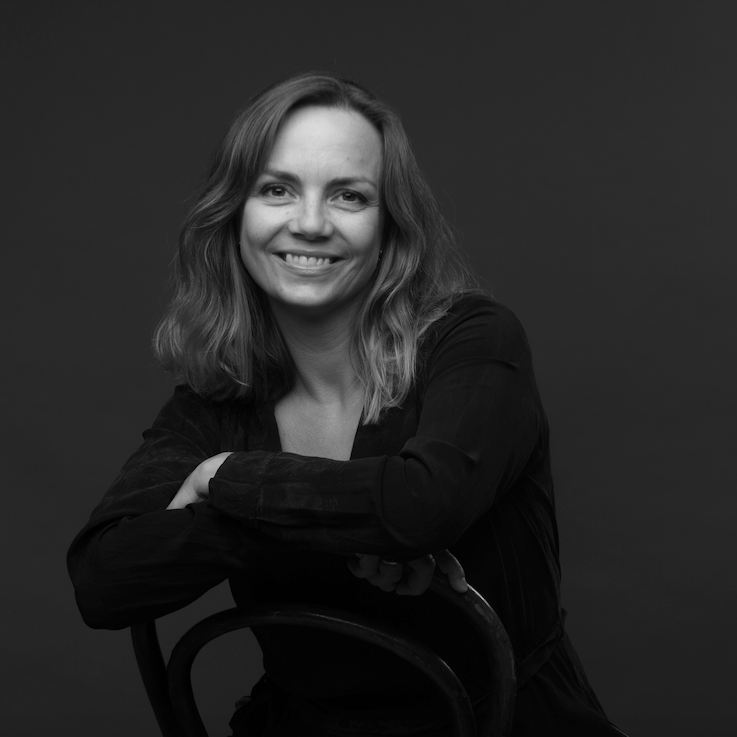
Professor Louise Nyholm Kallestrup
Louise Nyholm Kallestrup is Professor of Early Modern History at the University of Southern Denmark. She has published widely on Danish and Italian witch prosecutions, the Roman Inquisition and early modern Denmark. Her latest monograph is The Construction of Witchcraft in Early Modern Denmark, 1536-1617 (Routledge, 2025). She is also the general editor with Stephen Mitchell (Harvard) of the six-volume set, A cultural History of Magic, Bloomsbury, 2025. Her publications in English include Cultural Histories of Crime in Denmark, 1500–2000, co-edited with Tyge Krogh and Claus Bundgaard Christensen (Routledge, 2018), Contesting Orthodoxy in Medieval and Early Modern Europe, co-edited with Raisa Toivo (2017) and Agents of Witchcraft in Early Modern Denmark and Italy (2015).