

Speakers
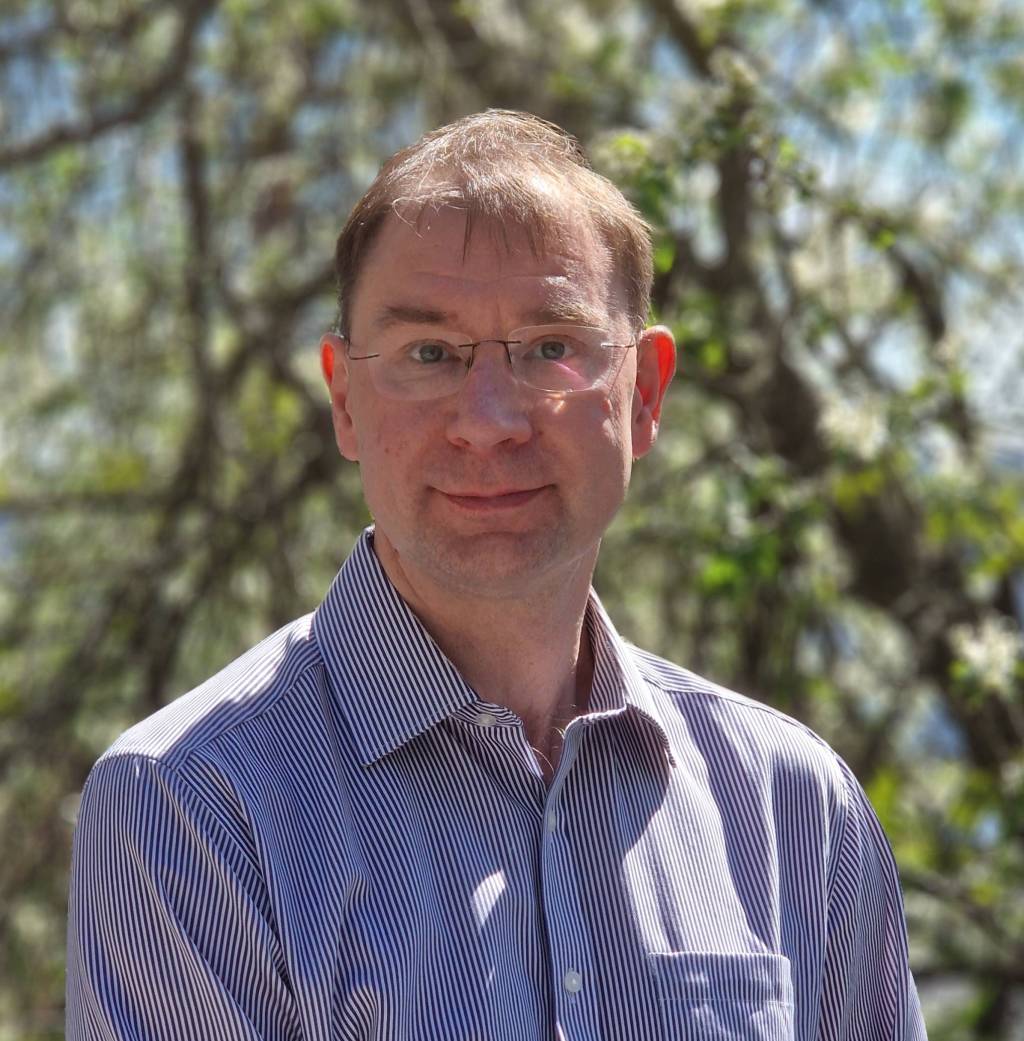
Pasi Kallio
Professor Pasi Kallio leads the Micro- and Nanosystems Research Group at the Faculty of Medicine and Health Technology, Tampere University, Finland. Since 2008, he has held a professorship in Biomedical Micro- and Nanodevices and served as Vice Dean for Research in the faculty from 2019 to 2023.
Prof. Kallio has authored more than 190 peer-reviewed publications, holds 16 patent applications, and has co-founded three spin-off companies. Prof. Kallio’s research group has over 20 years of expertise in microfabrication, microfluidics, micro- and biosensors and image-based measurements, particularly in organ-on-chip applications.
The group has developed several novel concepts for advanced microphysiological systems with a strong emphasis on physioxic and hypoxic oxygen conditions in neural disorder and heart disease models. Key innovations include compartmentalized oxygen control and microfluidic perfusion as well as oxygen and electrophysiological measurements in 2D and 3D cell environments. The group has also developed mechanical stimulation platforms, including systems for stretching and compression.
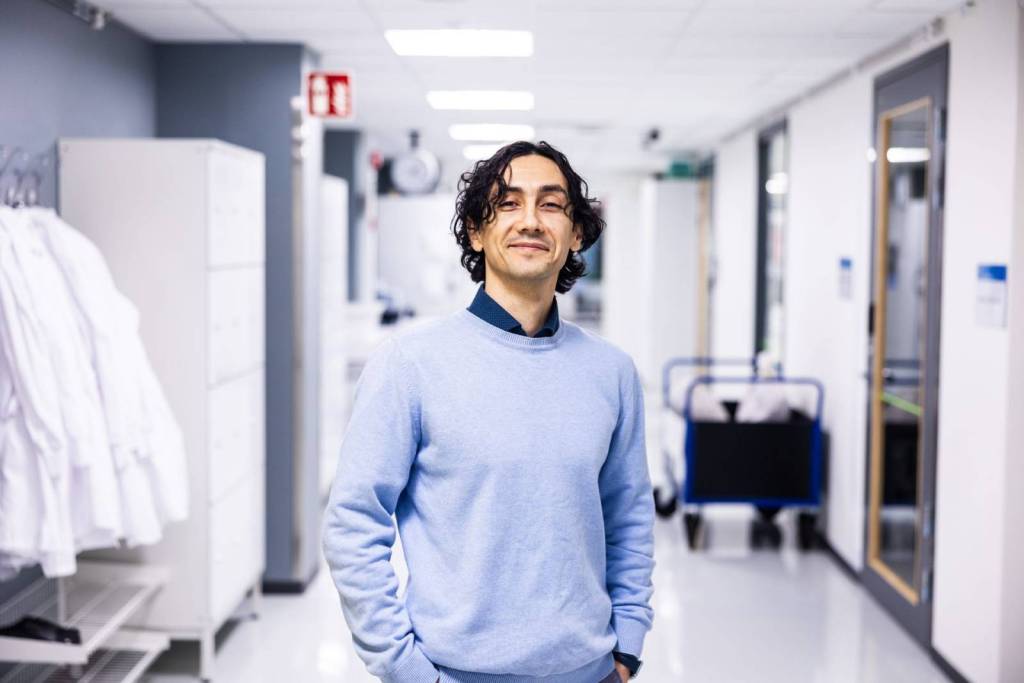
Fikret Emre Kapucu
Fikret Emre Kapucu is a Docent in Cellular Neurotechnology, working at the intersection of neuroscience, bioengineering, and computational analysis. He obtained his PhD in Neuronal Signal Analysis from Tampere University of Technology in 2016 and continued his postdoctoral training at the Danish Research Institute of Translational Neuroscience at Aarhus University, Denmark. After returning to Finland, his research was supported by the Research Council of Finland, focusing on the development of organ-on-chip models of neurodegenerative diseases, such as Parkinson’s disease.
He currently conducts his research within the NeuroGroup at the Faculty of Medicine and Health Technology, Tampere University, where he has led and contributed to multiple interdisciplinary research initiatives. His current project, Smart Micropath, combines human iPSC-derived neuronal cells, microfluidics, and data-driven approaches to improve the physiological relevance and translatability of preclinical models. He has authored numerous peer-reviewed publications in computational and experimental neuroscience and actively contributes to international collaborations advancing neurotechnology and biomedical innovation.
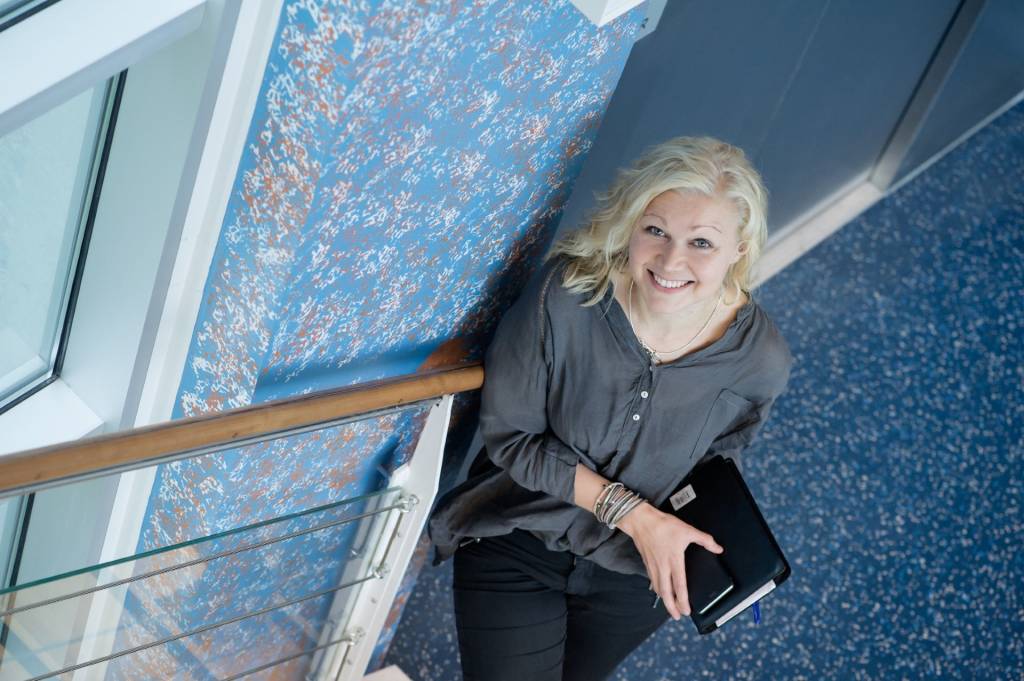
Tarja Malm
Tarja Malm is Professor in Molecular Neurobiology and the head of the Neuroinflammation research group at the A.I.Virtanen Institute, University of Eastern Finland. She is also the head of the “In vitro and ex vivo electrophysiology core facility” belonging to the Biocenter Kuopio and Biocenter Finland. She obtained her PhD in 2006 in Neurobiology with the focus glial cell biology and carried out her postdoctoral training at the Case Western Reserve University, USA. Her research focuses on understanding microglia-neuron signalling. Her group uses interdisciplinary approaches and develops novel, human based models to find therapeutic strategies to combat brain diseases. Her research group has pioneered development of methodologies to differentiate microglia and microglia containing cerebral organoids from human induced pluripotent stem cells. In the past years, her research group has established methodologies to evaluate neuronal circuit functionalities from cortical biopsies obtained from patients of idiopathic normal pressure hydrocephalus (iNPH) offering a novel source to study AD-related events at the molecular, functional and structural level.
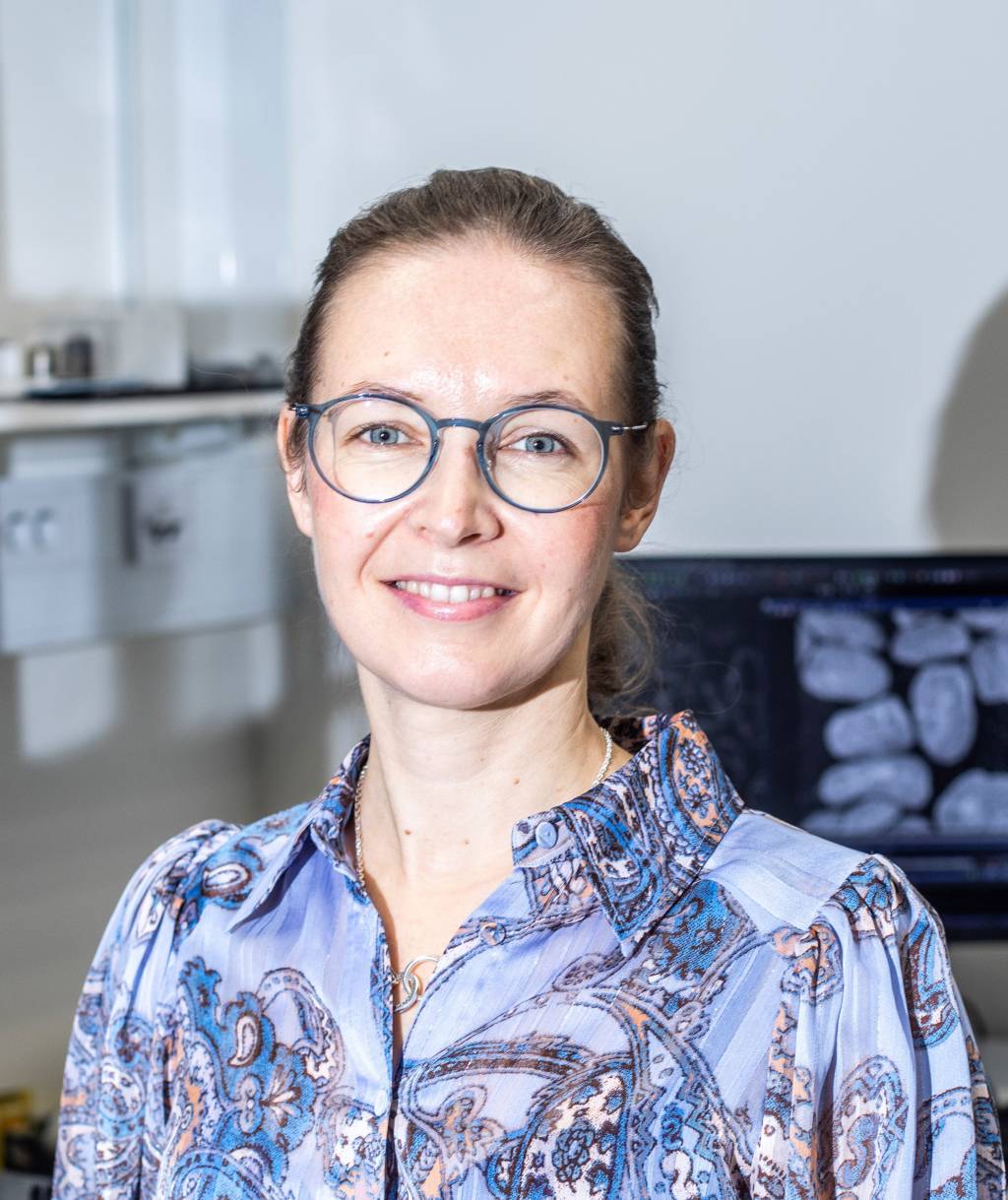
Soile Nymark
Soile Nymark is an Associate Professor at Tampere University, Finland. She received her PhD at Aalto University, Finland, studying adaptation mechanisms in retinal photoreceptors. She did her post-doctoral training at Boston University School of Medicine, USA, focusing on the retinal visual cycle. After returning to Finland, Dr. Nymark shifted her attention to the retinal pigment epithelium (RPE), the key retinal maintenance tissue, and began investigating its ion channel machinery. In 2016, Dr. Nymark started her own research group with the goal of understanding the multiple interactions between the retina and the RPE focusing on RPE ion channelome and related diseases. Her expertise covers electroretinography, single cell electrophysiology, calcium imaging, live-cell fluorescence microscopy, and different model systems including stem cell derived in vitro models, mice and zebrafish.
Vincent Portero
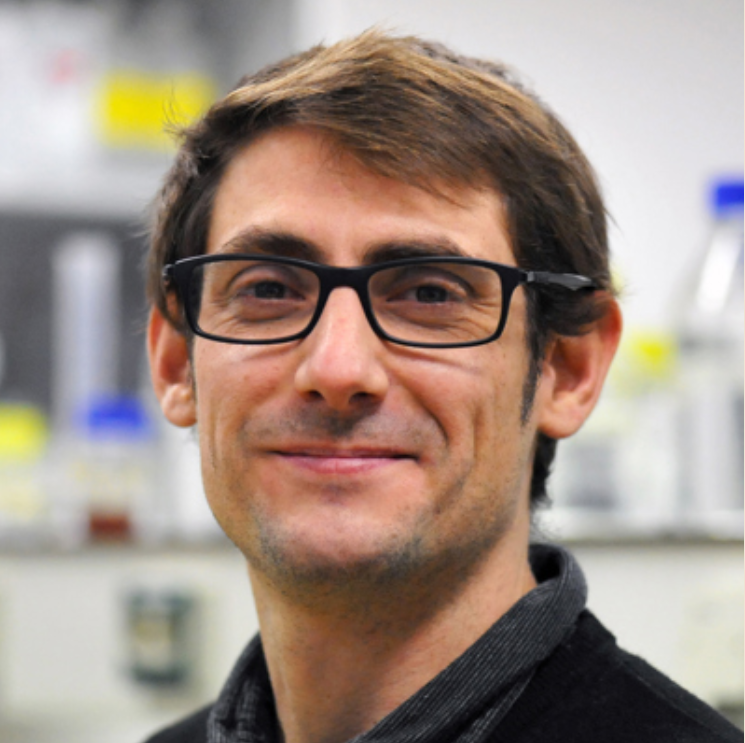
From a biomedical background, Vincent started his PhD in 2010 at l’Institut du Thorax in Nantes, France. Supervised by Pr. Redon and Pr. Charpentier, he performed genetic and molecular/electrophysiological experiments aimed at uncovering new genes and pathways involved in sudden cardiac death. He obtained his doctoral degree in 2013 with highest honors from the University of Nantes (France).
Vincent then joined the Department of Experimental Cardiology at the Academic Medical Center in Amsterdam, The Netherlands (Dr. Remme’s group). During his postdoctoral period, he explored novel molecular pathways associated with cardiac arrhythmias using integrative genomic approaches, molecular-electrophysiological techniques, and pharmacological interventions in both hiPSC-derived cardiomyocytes and animal disease models.
In 2020, Vincent joined the Laboratory of Experimental Cardiology at Leiden University Medical Center (Leiden, The Netherlands; Head: Pr. Pijnappels), where he was appointed Assistant Professor. Actively collaborating with the Technical University of Delft (The Netherlands), he explores novel avenues to treat cardiac arrhythmias and decipher their underlying molecular mechanisms, with a particular emphasis on atrial fibrillation.