

Workshop sessions
Workshop sessions - part 1 at 14:30 - 15:30
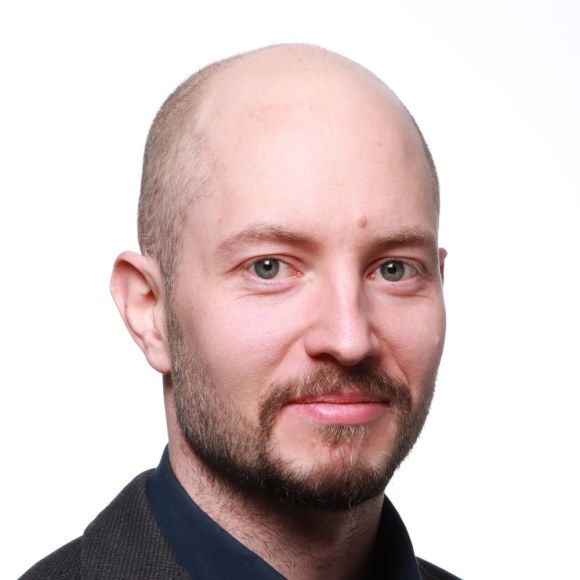
Henrik Tolvanen
Practical AI for Research, Teaching and Academic Work
Generative AI can support much more than writing and summarising text. In this interactive session, we explore practical ways researchers, teachers, and university staff can use AI to solve everyday problems, automate tasks, analyse data, develop software, and support research workflows.
The session combines a brief introduction to how modern AI systems work with examples from academic and technical environments. We will discuss where AI performs well, where human expertise remains essential, and how AI can be used as a practical collaborator rather than just a chatbot. Participants are encouraged to share their own experiences, successes, and lessons learned.
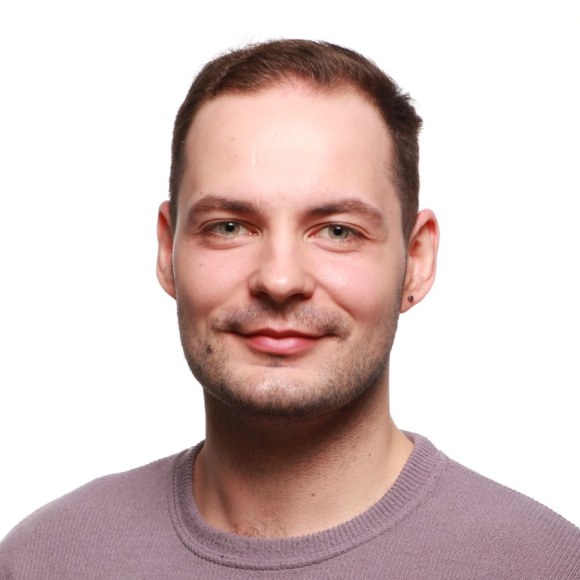
Topi Niemi
Inside Modern AI: How Language Models Work, How We Use Them, and Where Are They Going

Amirmohammad Daareyni
From Prompt to Prototype: Generative AI for Engineering Design-to-Manufacturing Workflows
This workshop will introduce how large language models can support engineering workflows, from interpreting text, image, or voice-based design requirements to generating CAD models, reviewing manufacturability considerations, and connecting designs with structural simulation and environmental assessment.
The session will include a hands-on exercise in which participants use an LLM to formulate a design-to-manufacturing workflow, test selected local or cloud-based models on an engineering task and explore how AI-generated outputs can be evaluated and refined using engineering constraints.
The focus of this workshop is on both the opportunities and practical limitations of using Generative AI in research, including reliability, validation, hallucinations, computational requirements, and the continued role of engineering expertise.

Marianna Halonen
Make Your Everyday Work Easier with Copilot Chat
Discover practical ways to use Copilot Chat for everyday knowledge work. In this hands-on workshop, you will test effective prompting techniques for tasks such as finding and summarising information, drafting texts, developing ideas and planning larger assignments. Bring your own laptop. No paid Microsoft 365 Copilot licence required.
Workshop sessions - part 2 at 15:30 - 16:30
Henrik Tolvanen
AI-Assisted Data Mining: From Research Question to Dataset
Finding and accessing relevant data is often a major bottleneck in research. In this hands-on workshop, participants will learn how AI can help discover, understand, and retrieve data from large databases and online repositories.
Using a selection of real-world data sources, participants will explore how AI can assist in identifying relevant datasets, interpreting documentation, formulating queries, retrieving data, and generating initial analyses. The focus is on practical experimentation and transferable workflows that can be applied to a wide range of research fields.
Participants are encouraged to bring their own laptops and research questions. No advanced programming skills are required.
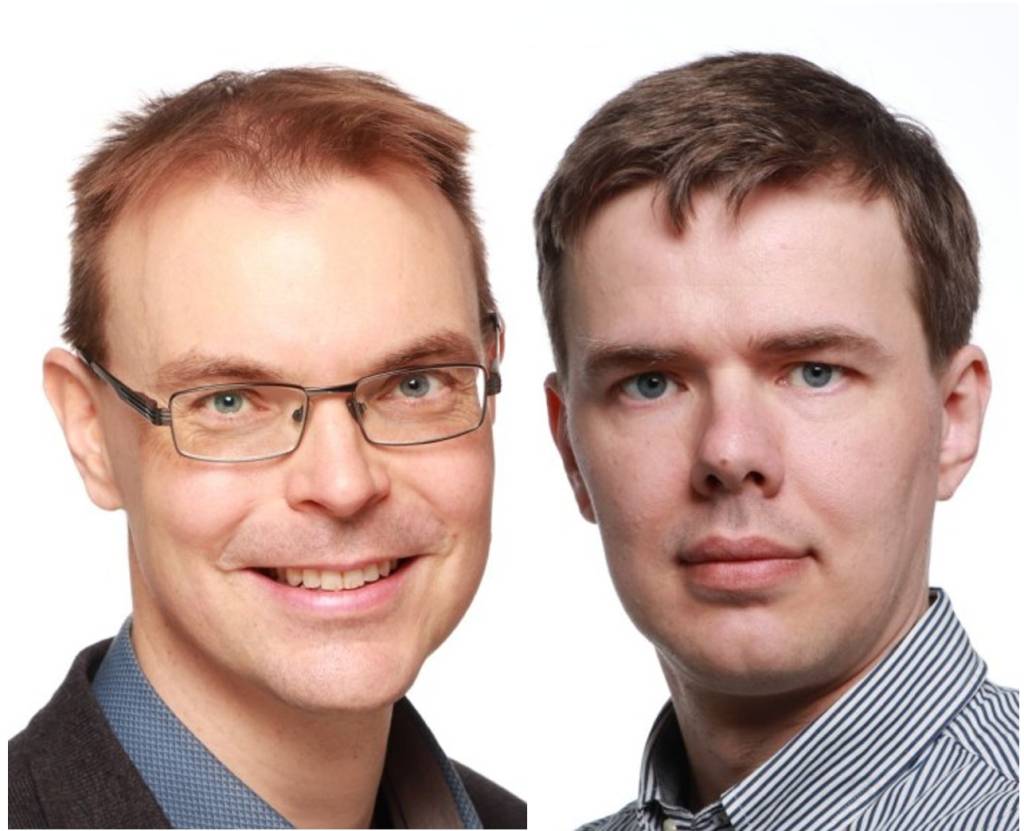
Esa Räsänen & Lasse Laurson
The Future of AI in Science: How Should We Prepare?
AI is now solving problems considered among the hardest in science. This workshop briefly reviews these advances and examines what they mean for scientific discovery. As AI increasingly compresses the path from question to answer, how can we preserve and even expand the exploratory paths and unexpected connections through which science often advances? How can AI harness and amplify human creativity?
After discussing these questions and controversies, we explore how to probe the limits of current AI models and how to put their capabilities to work in research, so that we as a scientific community are prepared for ever-accelerating development. Finally, we consider how scientists should take responsibility for shaping this revolution and its outcomes.
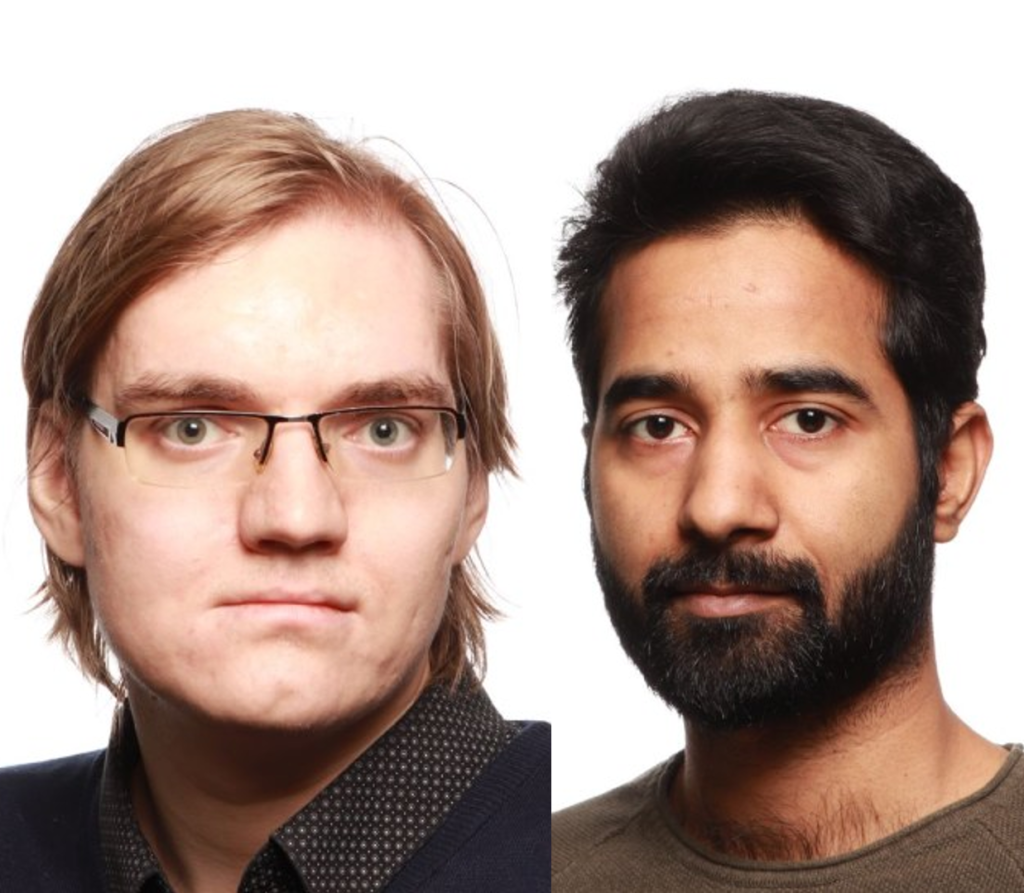
Milos Prágr and Prashant Rai
Compute for Autonomy: Accelerating Autonomous Mobile Machines Research Workflows with TCSC
Autonomous mobile machines research increasingly combines perception, machine learning, simulation, optimization, and large-scale validation. This workshop presents how the Autonomous Mobile Machines (AMM) research group uses the TCSC computing environment to support these workflows, from early prototyping to reproducible and scalable experiments.
We introduce a practical research workflow built around SLURM-based execution, structured experiment management, logging, checkpointing and resource-aware use of CPU and GPU nodes. Focus is given to machine-learning workflows for perception and state estimation, including experiment tracking, reproducible environments, checkpoint recovery and scaling studies through multiple configurations and job arrays.
The workshop also demonstrates how TCSC supports simulation-heavy autonomy research workflows. Using AGX Dynamics and AGXCave as examples, we show CPU-intensive terrain simulation and reinforcement-learning experiments executed through containers and scheduled compute resources.
Overall, our goal is to demonstrate how TCSC can become part of the everyday research loop.
Marianna Halonen
Build your own AI agent
Learn how to create a lightweight AI agent for a recurring task in your own work. During the workshop, you will define an agent’s purpose, generate its initial instructions, test it and improve its operation. Before the session, think of a routine or task that you perform regularly, and bring your own laptop. No paid Microsoft 365 Copilot licence required.