

Keynote Speakers
Torbjörn Forslid
The Mediatized Author: Literature, Celebrity, and the Public Sphere
This keynote examines the relationship between authors, media, and the public sphere from a contemporary – but also to some extent historical – perspective. Authors have long been more than producers of literary texts; they have also functioned as public figures whose visibility and self-presentation have shaped the reception and value of their work.
Focusing on the mediatized author as a cultural phenomenon, the lecture explores how literary studies might approach authorship in an age marked by expanding media exposure, digital communication, and celebrity culture. Particular attention is given to concepts such as literary celebrity, authors as living brands, and the relationship between public visibility and literary value.
By examining the intersections of literature, media, and cultural marketing, the keynote highlights the increasingly complex and dynamic public role of authors and argues for a broader understanding of authorship as an interaction between literary production, media institutions, and the public sphere.
Bio
Torbjörn Forslid is Professor of Comparative Literature at Lund University, Sweden. His research focuses on the role of literature in the public sphere and on the various uses of literature. In this context, he has published extensively on the mediatized author, politicians’ use of fiction, and the social dimensions of literary reading. He led the research project Negotiating Literary Value (Sweden) (2013-2017) and is currently part of a interdisciplinary research project on Narrative Medicine.
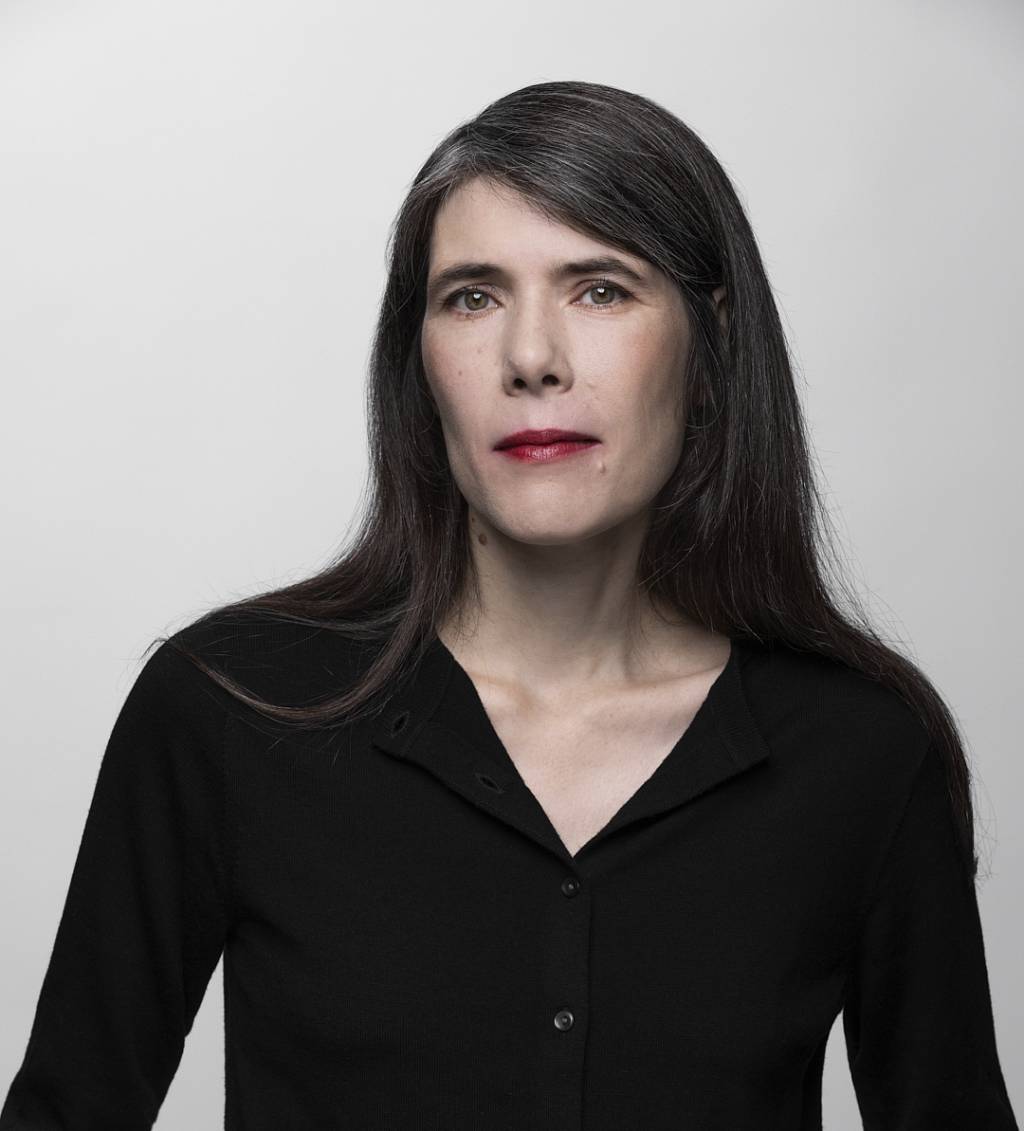
Karin Kukkonen
Storytelling in the Salons: Collective Creativity and Narrative Authority
In the years when the novel gained many of its modern features, such as neutral omniscient narrators, realist settings and linear plots, many of the early novelists were
regular attendees of the salons. In the salons of seventeenth-century Paris, stories were told as part of a larger setting of conversation and gameplay, practicing a collective mode of creativity. Narrative authority was negotiated in these collective settings in the salons, but such negotiation also found its way into the writing and revision process. In this lecture, I will discuss how works by Madame de Lafayette, Madeleine de Scudéry, and Charlotte-Rose de Caumont de la Force grew from collective creative settings and set narrative standards for the new genre of the novel.
Bio
Karin Kukkonen is Professor in Comparative Literature at the University of Oslo. She has published widely on cognitive approaches to narrative (Probability Designs, OUP 2020), creativity (Creativity and Contingency in Literary Writing, Bloomsbury 2026) and the history of the novel (How the Novel Found its Feet, OUP 2019). Kukkonen is the founding director of LCE – Centre for Literature, Cognition and Emotions at the University of Oslo. Currently, she leads the ERC Project JEUX – Literary Games, Poetics and the Early-Modern Novel (2024-2028).