

Speakers
Plenary Speakers
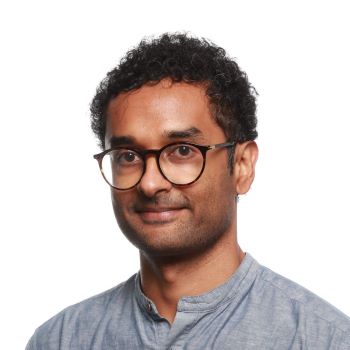
Siddharth Iyer
Dr. Siddharth Iyer is an Assistant Professor in the Aerosol Physics unit at the Faculty of Engineering and Natural Sciences, Tampere University. He leads a research group that combines computational modelling and experimental mass spectrometry methods to study the molecular level pathways to secondary organic aerosol (SOA). The group collaborates closely with aerosol modellers to study the implications of their research on SOA formation in the real world

Henni Ylänne
Dr. Henni Ylänne is an ecosystem ecologist at the School of Forest Sciences, University of Eastern Finland, and a member of the Saami Climate Council, an independent expert body that combines scientific research with traditional Saami knowledge to support climate policymaking. Her research has focused on the multiple ecosystem impacts of reindeer and caribou, the most abundant large grazer across the circumpolar Arctic and a cornerstone for the Saami culture and livelihoods. The focus of her research has been on the role of these animals for ecosystem carbon stores and climate feedbacks. In this presentation, she will share field-based evidence of reindeer impacts on a range of northern ecosystems and discuss the current knowledge gaps in accounting for the impacts of reindeer and in changing ecosystem trajectories via altered herding practices.
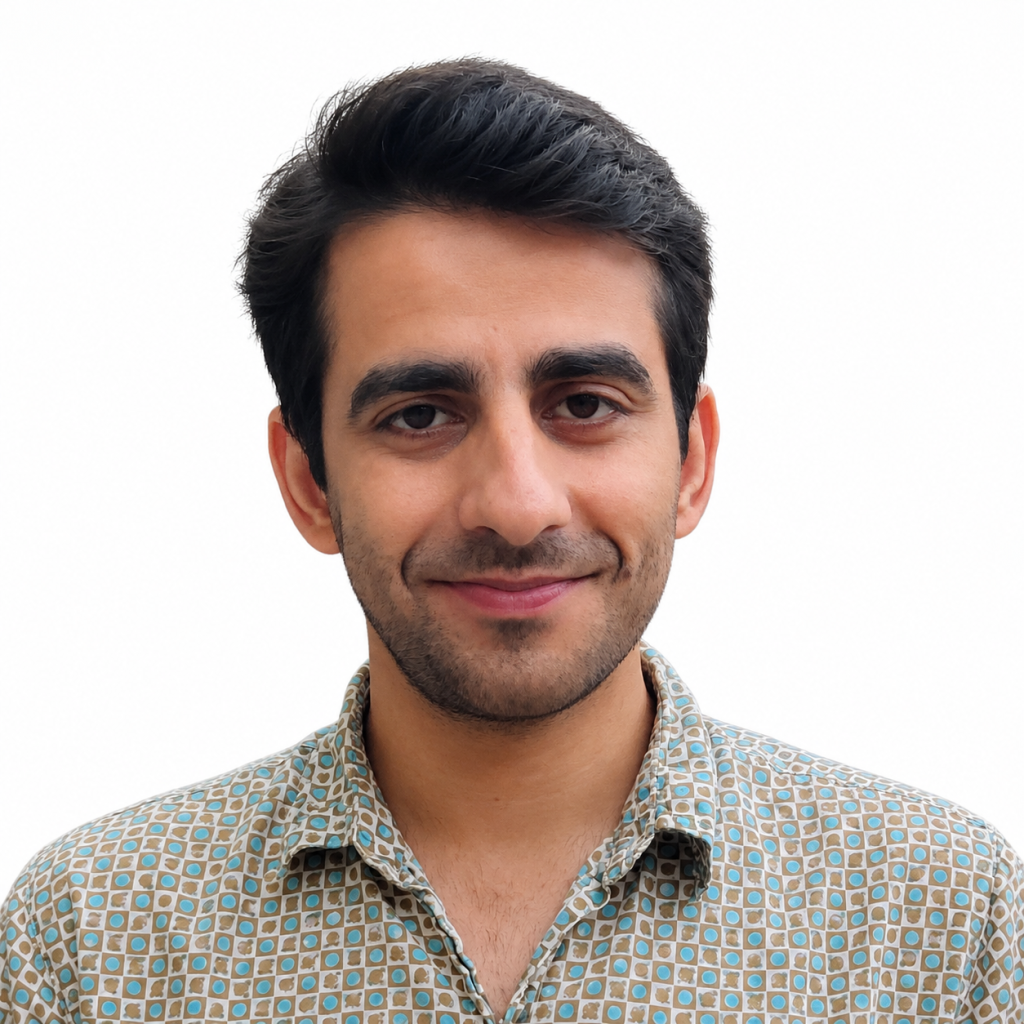
Shahzad Gani
Dr. Shahzad Gani is an Assistant Professor at the Centre for Atmospheric Sciences, IIT Delhi, where he leads the Noise, Aerosols, and Air Quality (NAAQ) group. He is also a visiting researcher at the Institute for Atmospheric and Earth System Research (INAR), University of Helsinki. His research focuses on the sources, sinks, and atmospheric processes that govern aerosols and air pollution, with particular interest in the interactions between atmospheric composition, meteorology, and urbanization. In his talk, “Air Pollution in the World’s Most Polluted Megacity: Science, urbanization, and the limits of “evidence””, taking the Delhi National Capital Region as a case study, he will examine what makes it the world’s most polluted megacity, considering the range of air pollutants, their sources, and the atmospheric processes shaping pollution. He will explore how rapid urbanization is changing meteorology and, as a result, air quality, whether air pollution can be understood as a homogeneous urban problem, and where science and technology reach their limits in addressing it.

Hilkka Timonen
Doc. Hilkka Timonen is working as a Principal Scientist and research Group Leader at the Finnish Meteorological Institute, specializing in atmospheric aerosols, air quality, and emerging particulate pollutants. Her research focuses on the sources, chemical composition, transformation, and impacts of aerosol particles, with particular emphasis on traffic-related emissions and urban environments.
In this presentation, she will discuss recent findings on atmospheric nano- and microplastics, including their occurrence, characterization, and sources, highlighting advances in measurement techniques and current challenges in understanding their behavior in the atmosphere.
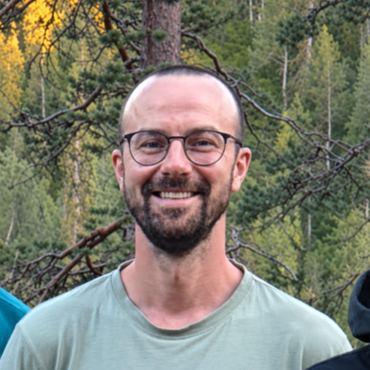
Jon Atherthon
Jon Atherton is an Academy Research Fellow and Principal Investigator in Forest Sciences and INAR at the University of Helsinki (INAR). His research focuses on forest carbon cycling and remote sensing, combining field measurements and modelling at a range of scales. In his talk, “Towards remote sensing of forest productivity and carbon stocks,” he will discuss how research infrastructure can be linked with emerging remote sensing technologies to better understand forest productivity and carbon dynamics. This is an exciting time for remote sensing, with new satellite missions offering unprecedented opportunities to study forests. At the same time, high-quality field measurements are more important than ever for constraining and validating both process-based models and artificial intelligence.