
Speakers
Keynotes
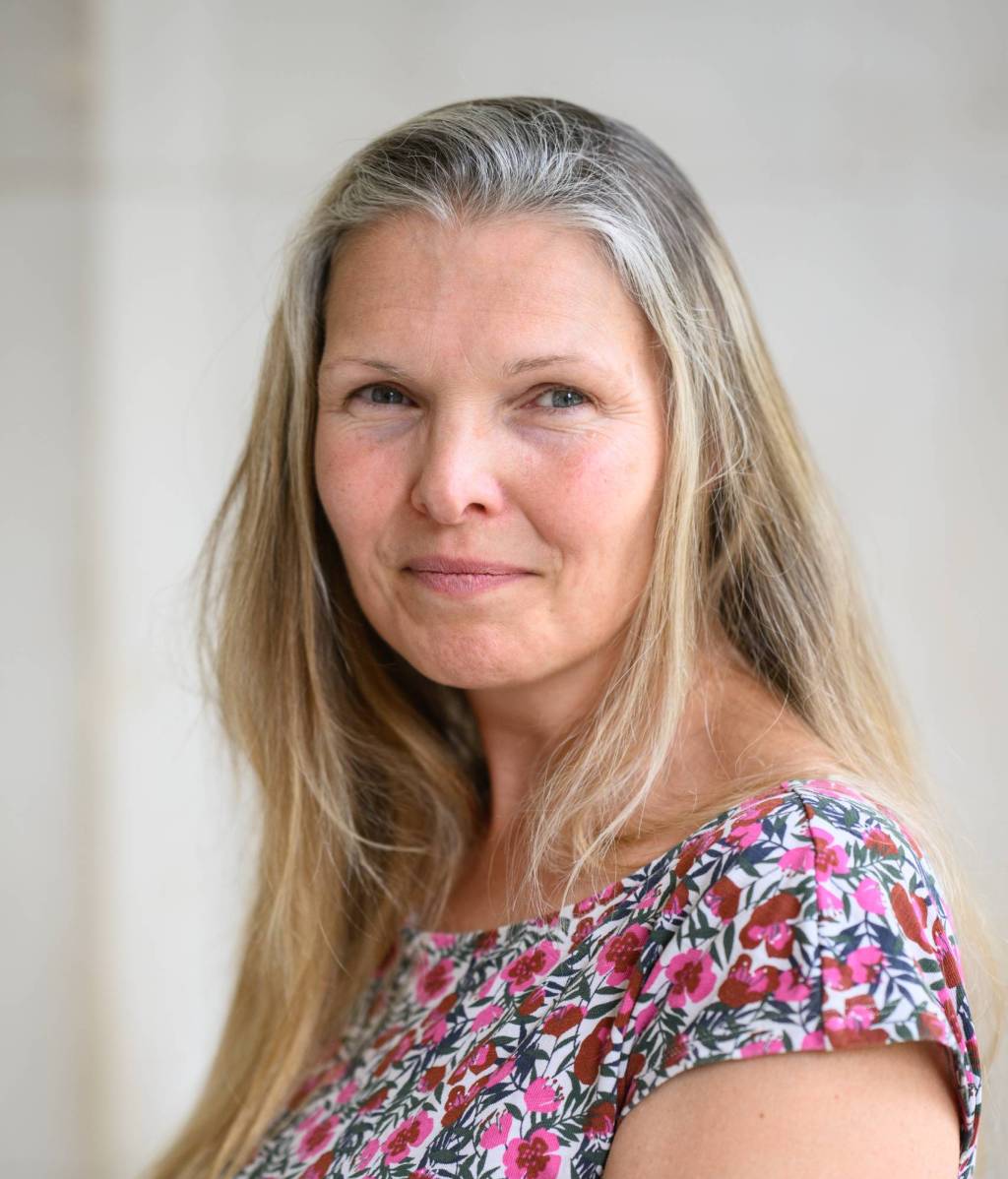
Hazel Screen
Hazel Screen is a Professor of Biomedical Engineering interested in developing organ-chip models to support both discovery science and therapeutic testing. She has a particular interest in developing models of mechanically functional tissues such as those in the musculoskeletal or cardiovascular systems, developing novel approaches to first analyse tissue structure-function in situ and then to recapitulate the physical niche environment perceived by cells within organ-chip models.
She co-directed the UK Organ-on-a-Chip Technologies Network and now co-leads the Centre for Predictive in vitro Models at Queen Mary University of London. She has recently led a successful £7M project proposal to establish an EPSRC Centre for Doctoral Training in Next Generation Organ-on-a-Chip Technology (COaCT), which will start admitting and training PhD students in October 2025.
She plays an active role in helping to shape the field and associated policy and regulation, as well as driving her own research group, funded from a range of UKRI and charity sources.
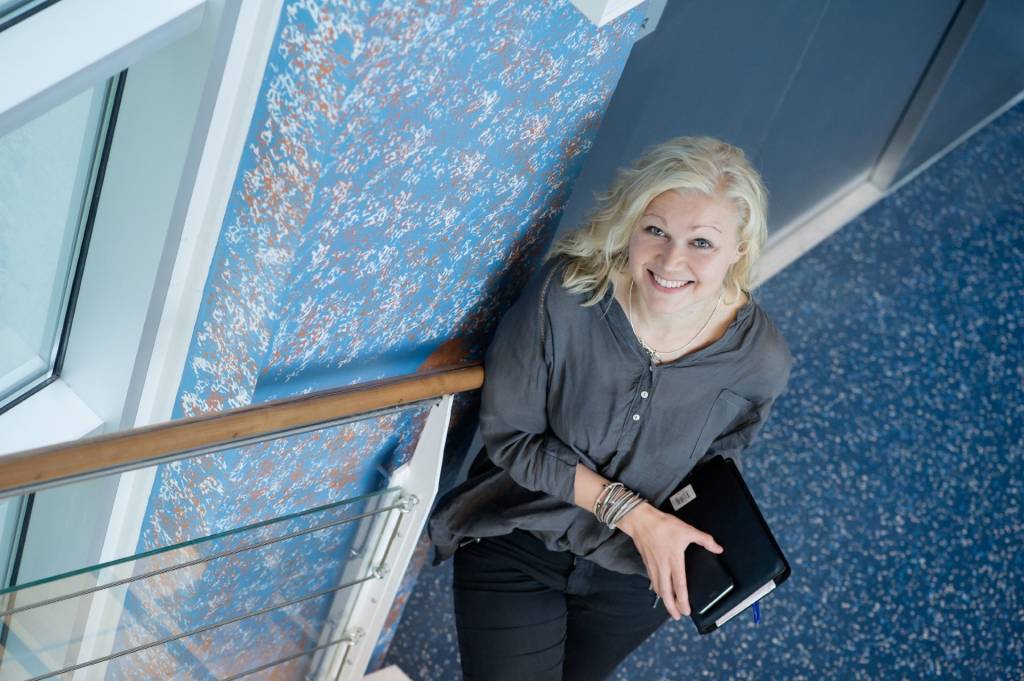
Tarja Malm
Tarja Malm is Professor in Molecular Neurobiology and the head of the Neuroinflammation research group at the A.I.Virtanen Institute, University of Eastern Finland. She is also the head of the “In vitro and ex vivo electrophysiology core facility” belonging to the Biocenter Kuopio and Biocenter Finland. She obtained her PhD in 2006 in Neurobiology with the focus glial cell biology and carried out her postdoctoral training at the Case Western Reserve University, USA. Her research focuses on understanding microglia-neuron signalling. Her group uses interdisciplinary approaches and develops novel, human based models to find therapeutic strategies to combat brain diseases. Her research group has pioneered development of methodologies to differentiate microglia and microglia containing cerebral organoids from human induced pluripotent stem cells. In the past years, her research group has established methodologies to evaluate neuronal circuit functionalities from cortical biopsies obtained from patients of idiopathic normal pressure hydrocephalus (iNPH) offering a novel source to study AD-related events at the molecular, functional and structural level.

Otto Kalliokoski
Biomedical researcher – formerly an engineer, now a laboratory animal scientist – with a focus on improving pre-clinical methodology and novel methods for unbiased assessments of animal welfare. I have been teaching meta-analysis, statistics and experimental design for more than a decade at the University of Copenhagen. My current interests lie in exploring how meta-analytical investigations can be used to replace redundant animal experiments. It is my firm belief that improving animal welfare in pre-clinical medicine benefits not only the animals, but also the research itself.
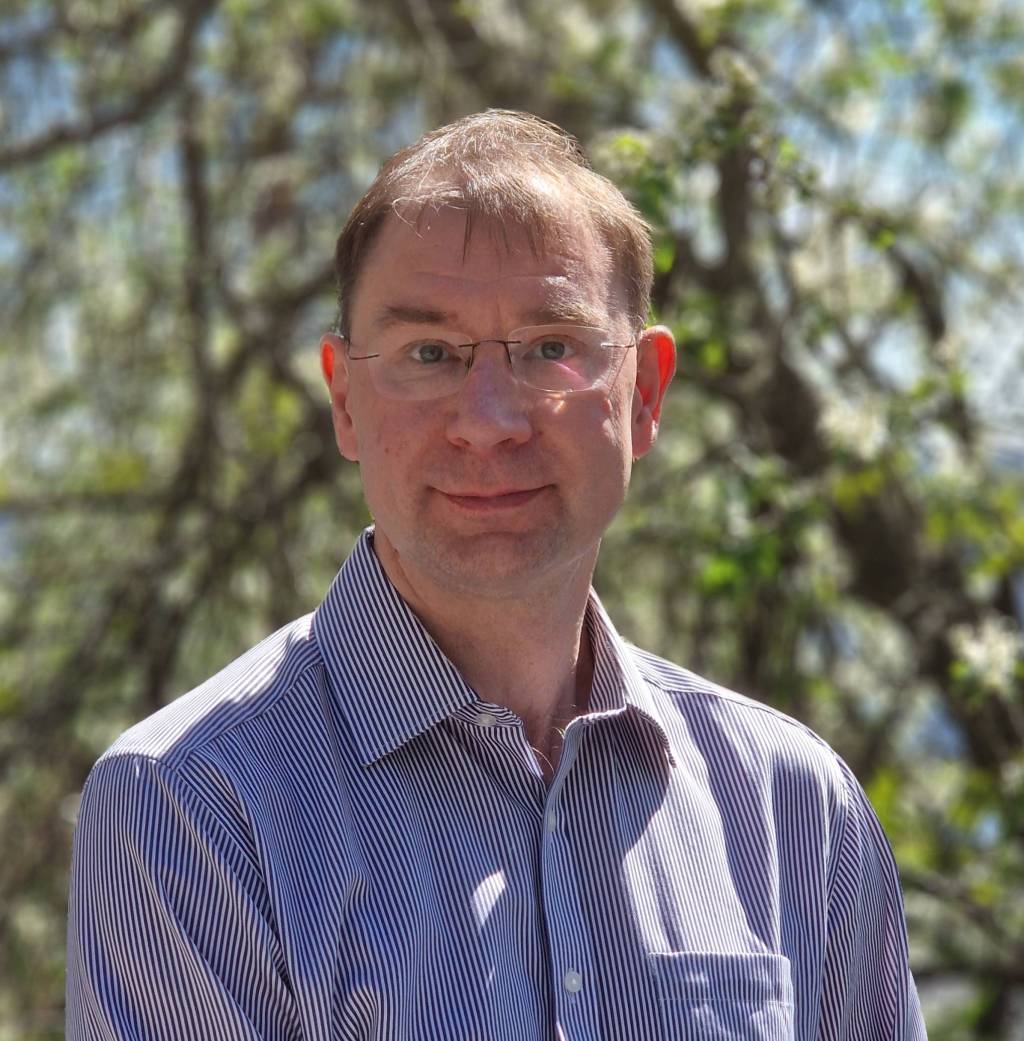
Pasi Kallio
Professor Pasi Kallio leads the Micro- and Nanosystems Research Group at the Faculty of Medicine and Health Technology, Tampere University, Finland. Since 2008, he has held a professorship in Biomedical Micro- and Nanodevices and served as Vice Dean for Research in the faculty from 2019 to 2023.
Prof. Kallio has authored more than 190 peer-reviewed publications, holds 16 patent applications, and has co-founded three spin-off companies. Prof. Kallio’s research group has over 20 years of expertise in microfabrication, microfluidics, micro- and biosensors and image-based measurements, particularly in organ-on-chip applications.
The group has developed several novel concepts for advanced microphysiological systems with a strong emphasis on physioxic and hypoxic oxygen conditions in neural disorder and heart disease models. Key innovations include compartmentalized oxygen control and microfluidic perfusion as well as oxygen and electrophysiological measurements in 2D and 3D cell environments. The group has also developed mechanical stimulation platforms, including systems for stretching and compression.