
Speakers
Academic Researchers
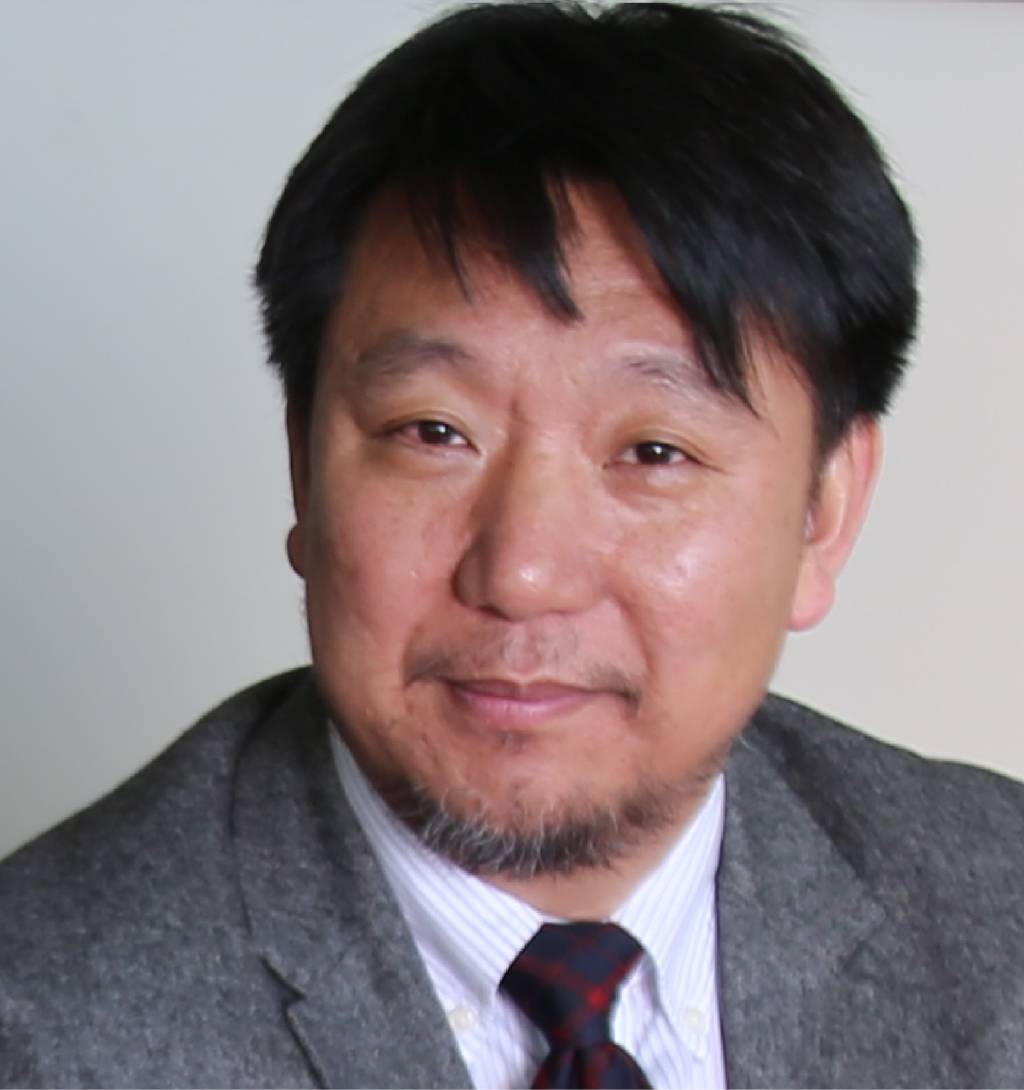
Dr. Bairong Shen
Dr. Bairong Shen also serves as a professor at the Institute for Systems Biology in Seattle and the University of the Basque Country in Spain. He is a founding member of the Core Committee of the China Society of Bioinformatics, Chairman of the Sichuan Society of Bioinformatics, and Chairman of the Special Committee on Medical Informatics of Sichuan Province. He is also the leader of the “”Digital Health”” expert group for the 14th Five-Year Plan of Sichuan Province and an expert for the National Natural Science Foundation and the Ministry of Science and Technology. He is the head of the virtual teaching and research laboratory for the “”Medical Data Collection and Analysis based on Science, Technology, and Information”” course under the “”101 Plan”” of the Ministry of Education. Since returning to China in 2008, he has led more than 10 national projects and supervised over 80 graduate students. He has published over 200 papers in international interdisciplinary journals and edited six English books in the field of translational informatics. He has also edited two national planning textbooks.
His research interests include the theory of biomarker discovery, biomedical data sharing and security, and intelligent chronic disease management.
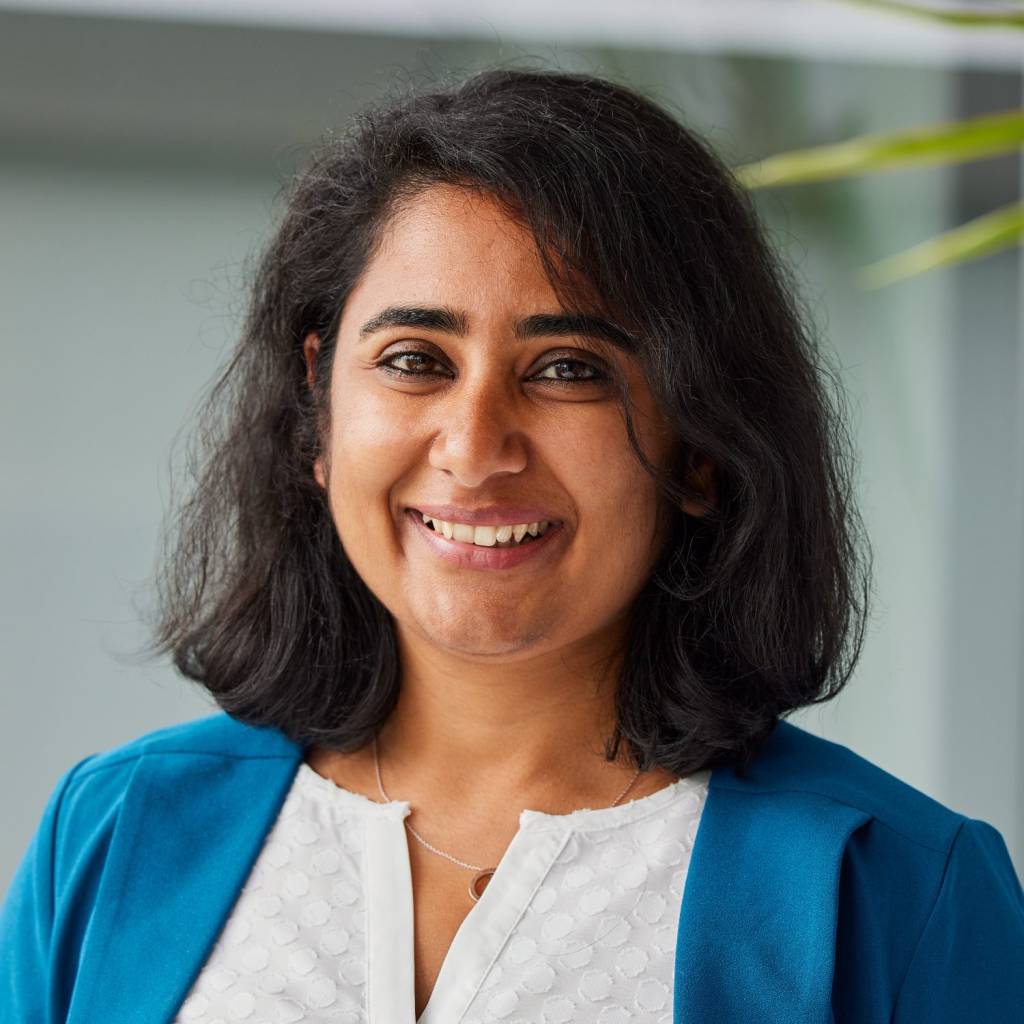
Dr. Ritambhara Singh
I am the John E. Savage Assistant Professor of Computer Science and Data Science and a member of the Center for Computational Molecular Biology at Brown University. My research lab develops machine learning methods with the goals of data integration and model interpretation for biological and biomedical applications.
Prior to joining Brown, I was a post-doctoral researcher in the Noble Lab at the University of Washington. I completed my Ph.D. in 2018 from the University of Virginia with Dr. Yanjun Qi as my advisor. My research involves developing integrative and interpretable machine learning/deep learning models for important biological and clinical questions.
I have received the NHGRI Genomic Innovator Award and Brown University’s Richard B. Salomon Faculty Research Award for developing deep learning methods to integrate and model genomics datasets. I also recently received the Dean’s Award for Excellence in Teaching at Brown.
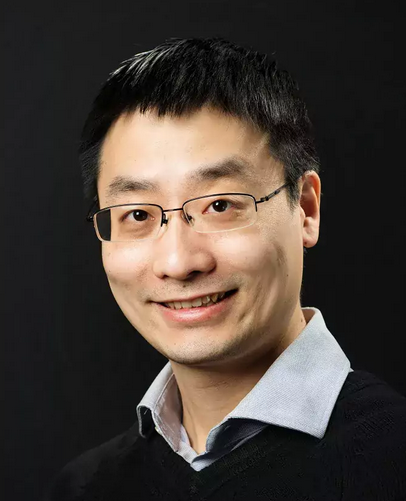
Dr. Jing Tang
Dr. Jing Tang is an Associate Professor in Medical Bioinformatics at the Faculty of Medicine and Group Leader for Network pharmacology for precision medicine. He received his PhD in Statistics from the University of Helsinki in 2009. He was a research scientist in Systems biology at the Technical Research Centre of Finland (VTT) in 2008-2011. Since 2012 he started at FIMM as a senior researcher focusing on computational network medicine. He received the prestigious ERC Starting Grant in 2016.
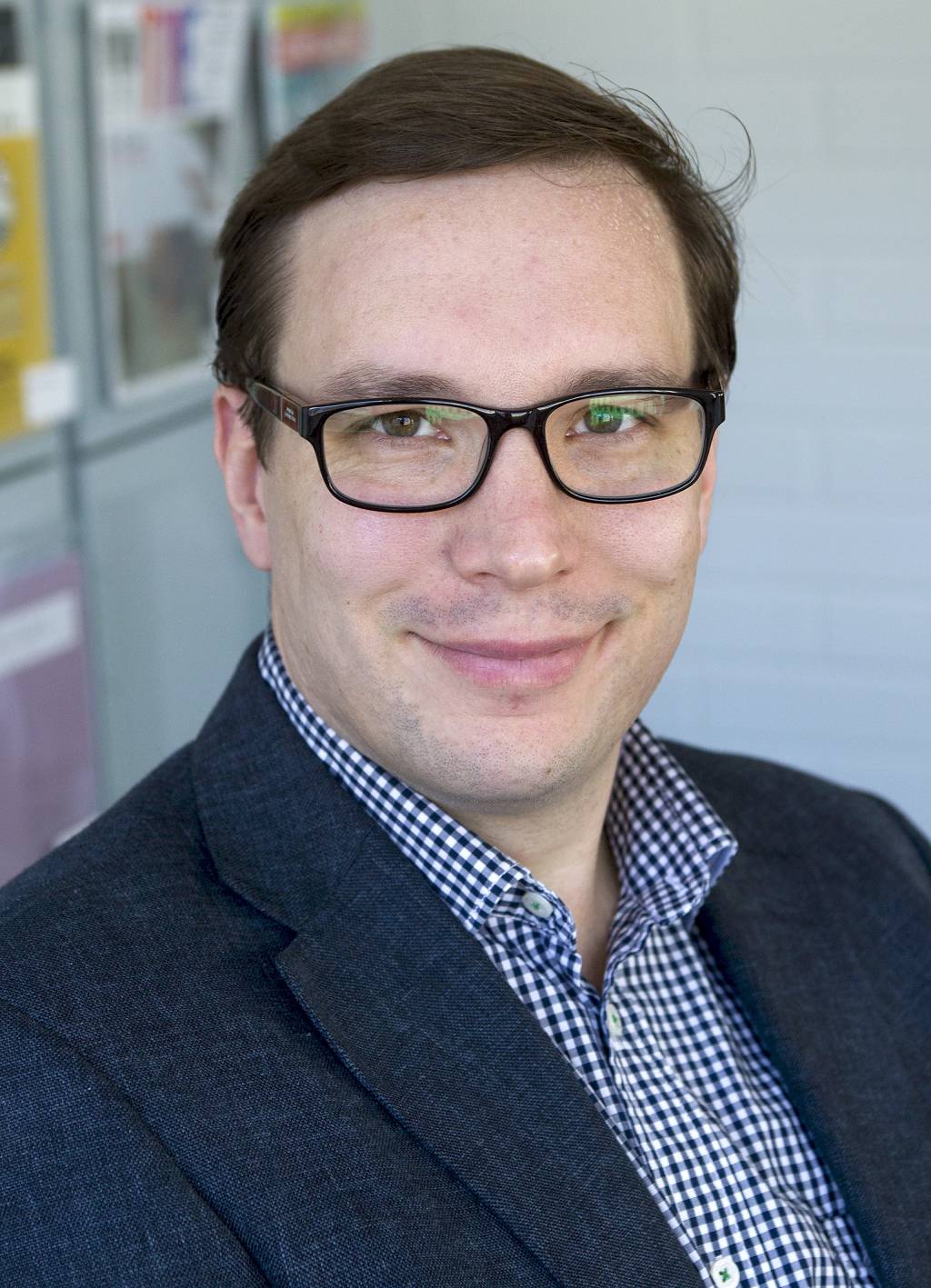
Dr. Sampsa Hautaniemi
Dr. Sampsa Hautaniemi is a Professor of Systems Biology at the University of Helsinki, where he also directs the Research Program in Systems Oncology. His research focuses on understanding and overcoming drug resistance in cancer, particularly high-grade serous ovarian cancer, utilizing systems biology, machine learning, and computational biology approaches.
Dr. Hautaniemi’s career success is highlighted by his leadership in significant research initiatives. He has successfully secured substantial competitive funding, including coordinating major EU Horizon 2020 grants His work involves integrating diverse patient data, such as genomic, imaging, and clinical information, to develop predictive models and identify potential therapeutic strategies. He has a strong publication record in reputable scientific journals and has supervised numerous students and researchers, contributing to the advancement of systems biology and cancer research.
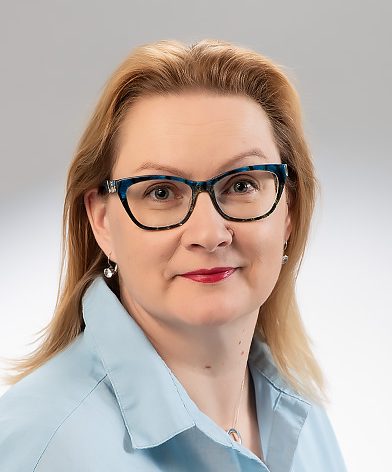
Dr. Leena Latonen
Dr. Latonen graduated with M.Sc. in cell and molecular biology from University of Jyväskylä and obtained a Ph.D. in Cancer Biology at University of Helsinki, Finland. After performing research at Karolinska Institute (Sweden), University of Tampere (Finland) and University of California San Diego (U.S.A.), she now holds a group leader position at University of Eastern Finland. She is an Adjunct Professor in Cancer Biology.
Her research interests include the molecular, cellular, and tissue mechanisms that contribute to cancer formation and the increased ability of cancer cells to tolerate stress, especially to form resistance to drugs. She also studies cancer growth patterns in tissue and searches for better ways to image, visualize and quantitatively analyze cancer histology, aiming at better tools for cancer research and diagnostics.
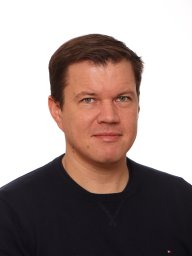
Dr. Pekka Ruusuvuori
Pekka Ruusuvuori, Associate Professor and head of the Bioimage Informatics research group at the Institute of Biomedicine, University of Turku, Finland and also affiliated with Faculty of Medicine and Health Technology, Tampere University, Tampere, Finland. His research focuses on the development of computational methods for data-intensive cancer research and biomedical imaging. His research group is specialized in developing AI-systems, including multimodal and generative AI, for cancer diagnostics, grading and virtual staining in digital pathology using modern deep learning and high-performance computing.
MSc. Guangshuo Cao
Mr. Guangshuo Cao is currently a Ph.D. candidate in Computational Biology at Nanjing University. He holds both a bachelor’s and a master’s degree in software engineering and completed a two-year joint training program at BGI Research. His research focuses on applying artificial intelligence (AI) to population genomics and single-cell biology, including developing deep learning-based polygenic risk score (PRS) models for complex trait prediction, such as assessing genetic risk for myopia in the UK Biobank cohort. He is also interested in developing large language models (LLMs) specifically designed for single-cell data analysis, with applications in automated cell type annotation across pan-cancer single-cell datasets.
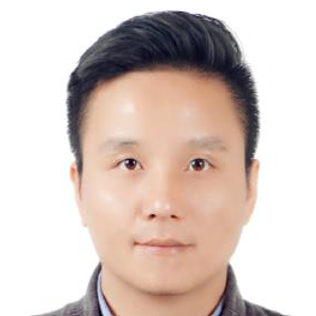
Dr. Ming Xiao
Dr. Ming Xiao is an Associate Professor at the Sichuan University – Pittsburgh Institute. He holds a Ph.D. in Intelligent Computing and Complex Systems from Southwest University. Dr. Xiao’s research interests lie in the field of Intelligent Computing.
Dr. Yi Shi
Dr. Yi Shi’s research focuses on computational biology and machine learning approaches applied to complex biological problems. Dr. Shi’s work investigates the association between 3D genome structure and diseases, particularly cancer. He is also involved in cancer neoantigen discovery, biomarker identification using sparse learning methods, and mRNA vaccine design.
Dr. Bin Qu
Dr. Qu completed her BSc at the University of Science and Technology of China in 2001 and obtained her MSc from the Institute of Biochemistry and Cell Biology at the Shanghai Institutes for Biological Sciences, Chinese Academy of Sciences, in 2006. She earned her Ph.D. in Immunology in 2010 with the highest distinction (summa cum laude) from the Department of Biophysics at Saarland University. Since 2013, Dr. Qu has led her own research group within the same department and she served as both a Project Leader and a Steering Committee member for the Collaborative Research Centre 1027. She successfully completed her habilitation in 2023 and has recently accepted a professorship as head of the Department of Biomedical Sciences at the Institute for Health Research and Education, Osnabrück University.
Dr. Qu’s research focuses on uncovering the mechanisms that regulate the migration, targeting, and cytotoxic efficiency of immune killer cells, including natural killer (NK) cells and cytotoxic T lymphocytes (CTLs), in both healthy and diseased states. She is particularly interested in how the mechanical and physical properties of 3D matrices, such as stiffness, confinement and mechanical forces, influence immune cell behavior and killing function. Her work aims to enhance the ability of immune killer cells to fight tumors or modulate their activity in autoimmune conditions, driving the development of innovative therapeutic strategies for cancer and autoimmune diseases.
Dr. Mengchun Gong
Gong Mengchun, M.D., graduated from the eight-year clinical medicine program of Peking Union Medical College. He participated in the establishment of the National Rare Disease Registration System (NRDRS, www.nrdrs.org) in China and served as its executive director until 2019. Currently, he is a partner of Digital Health China Technologies Co., Ltd., serving as the senior vice president and chief medical officer. He is also a visiting professor at the Global Health Institute of Xi’an Jiaotong University, a distinguished researcher at the Biomedical Engineering College of Guangdong Medical University and the PI of the National Clinical Medical Center for Geriatric Diseases of Huashan Hospital affiliated to Fudan University.
His main research areas include medical informatics, phenomics, health technology assessment, research on health policies related to rare diseases, and medical education. He has published more than 40 academic papers in internationally renowned journals such as Lancet Regional Health WP, JMIR, eBioMedicine, Drug Safety, etc., as the first author or corresponding author. The paper Cloud-Based System for Effective Surveillance and Control of COVID-19: Useful Experiences From Hubei, China, published in JMIR in April 2020, was selected as the Best Paper of the Year by the International Medical Informatics Association (IMIA), and the relevant achievements won the WHO Innovation Award in 2021. He serves as a director of the SNOMED International Global Management Committee and a member of the Diagnostic Science Committee of the International Rare Diseases Research Consortium (IRDiRC). He is also a member of the Standing Committee of Bioinformatics Branch of the Chinese Preventive Medicine Association, the Standing Committee of the Chinese Bioinformatics Society, and the Big Data and Real-World Research Committee and the Artificial Intelligence Committee of the Chinese Anti-Cancer Association (CACA).

Dr. Li Tian
Dr. Li Tian received her medical degree from the Beijing Medical University (Peking University Health Center) and PhD in Biochemistry from the University of Helsinki. She is the adjunct professor in the University of Helsinki since 2010. She worked as the Academy of Finland research fellow and a group leader in the Neuroscience Center, University of Helsinki in 2011 – 2017, and as a research professor of neuroimmunology in the University of Tartu in 2018 – 2022. She is currently working in the Department of Psychology, Faculty of Medicine, University of Helsinki. Her major research activity is characterizing molecular mechanisms underlying psychiatric disorders in both clinical and preclinical models. She has published 99 SCI papers and 2 book chapters (Google scholar page). She has also served as a panelist for the French research council ANR and as an external reviewer for other European research foundations. She is also an associate editor for several neuroscience journals including Frontiers in Molecular Neuroscience and Brain Behavior and Immunity-Integrative.
Dr. Heidi Haikala
I did my PhD in the University of Helsinki, after which I worked as a postdoc in Dana-Farber Cancer Institute & Harvard Medical School in Prof. Pasi Jänne’s Lab. In DFCI, I developed new targeted therapy strategies to prevent EGFR inhibitor resistance in lung cancer. One of our findings led to a clinical trial in lung cancer patients. Our group studies how to target primary (immuno)therapy resistance and discovers new combination therapies for lung cancer.Science communication, music, yoga & winter sports are close to my heart!
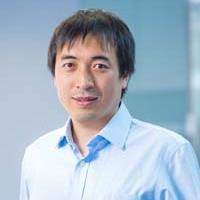
Dr. Shuaicheng Li
Bioinformatics, algorithms, machine learning, omics data analysis.
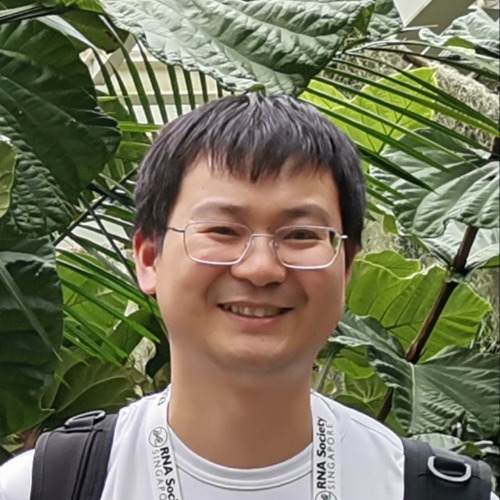
Dr. Lu Cheng
Dr. Cheng’s research interests lie at the intersection of computational and biological sciences, with a focus on areas such as Artificial intelligence, Bayesian Statistics, bioinformatics, machine learning, and Nanopore sequencing. His work has involved computational genomics and the analysis of biological data, including research on single-cell genomics and the role of alternative splicing in cancer development.
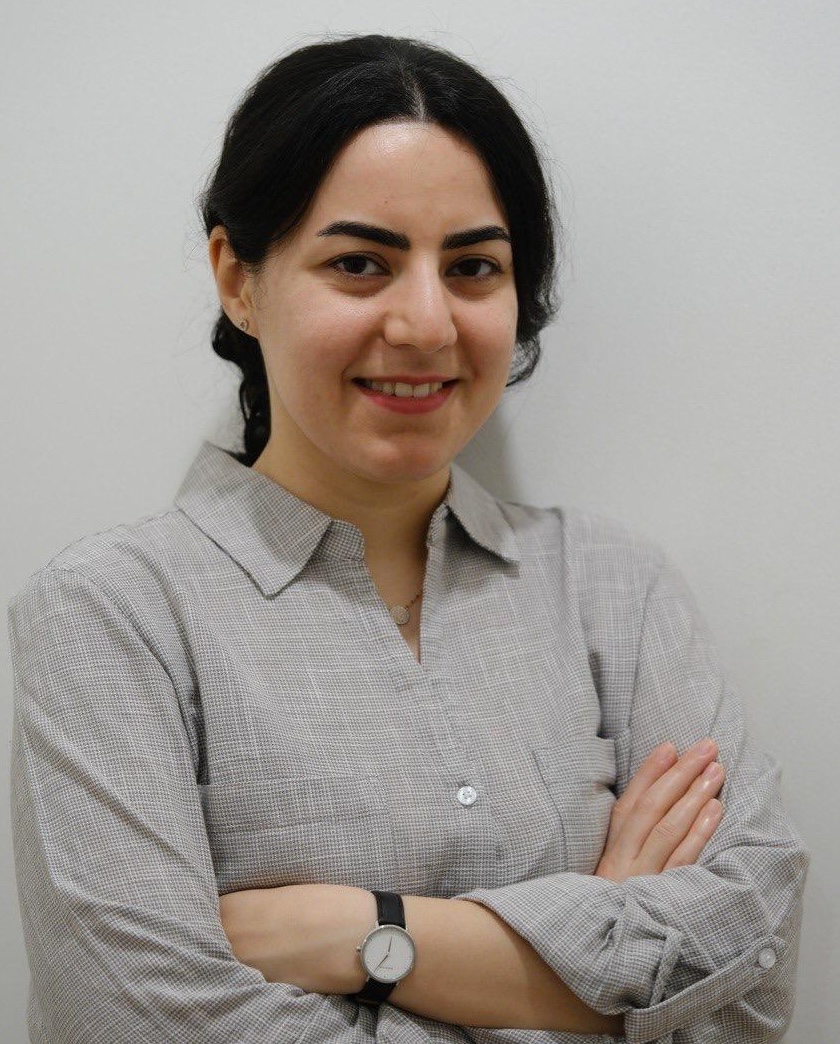
Dr. Farnaz Rahimi
Dr. Farnaz Rahimi is a postdoctoral researcher at Friedrich-Alexander-Universität Erlangen-Nürnberg and Uniklinikum Erlangen, Germany. Her current research focuses on pediatric oncology, specifically developing machine learning algorithms to predict chemotherapy side effects and detect rare diseases in these patients.
Dr. Rahimi completed her Ph.D. in Electrical Engineering from the University of Tabriz, Iran, in 2024. Her doctoral research concentrated on analyzing human hand movements using signal processing and machine learning techniques. She was also a research assistant at Friedrich-Alexander-Universität Erlangen-Nürnberg from 2022 to 2024, where she contributed to projects aimed at detecting and treating depression using machine learning algorithms.
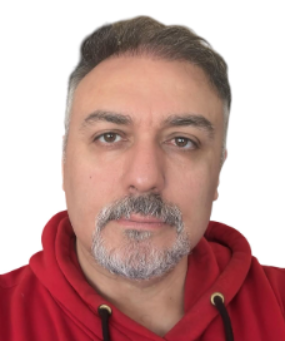
Dr. Serdar Karakurt
I graduated from the Department of Biology, with a specialization in Fundamental and Industrial Microbiology, at Ege University, Turkey. I completed my first master’s degree in the Department of Molecular Biology and Genetics, and subsequently obtained my second master’s and PhD degrees in the Department of Biochemistry at the Middle East Technical University, Turkey. I conducted my postdoctoral research at the Institute of Biomedical Technology – Prostate Cancer Center, Tampere University, Finland under the supervision of Prof. Dr. Tapio Visakorpi. Since 2014, I have been working as a faculty member in the Department of Biochemistry at Selçuk University. Currently, I am conducting collaborative research in the field of transcriptomics and proteomics at Tampere University, Finland, under the supervision of Prof. Dr. Matti Nykter.
In my research group, we focus on both in vitro and in vivo experimental models. At present, 3 PhD, 6 MSc, and 8 undergraduate students are actively involved in ongoing studies. I have supervised and graduated 5 PhD and 24 MSc students. Our in vitro studies investigate the effects of biological materials (e.g., plant extracts, hormones, gene silencers) and chemical compounds (e.g., active molecules, drug carriers, fluorescent agents) on cell proliferation, cytotoxicity, bio-imaging, gene and protein expression, and enzyme activity in various human cancer cell lines and normal epithelial cells. We also conduct genomics research, including microarray and next-generation sequencing (NGS) analyses. In vivo studies in our lab involve the development and utilization of animal models for various diseases, including hypertension and different types of cancer. To date, I have successfully completed 8 international and 28 national research projects. I have authored 130 publications in international peer-reviewed journals, contributed 5 book chapters, and presented 256 papers at national and international conferences.
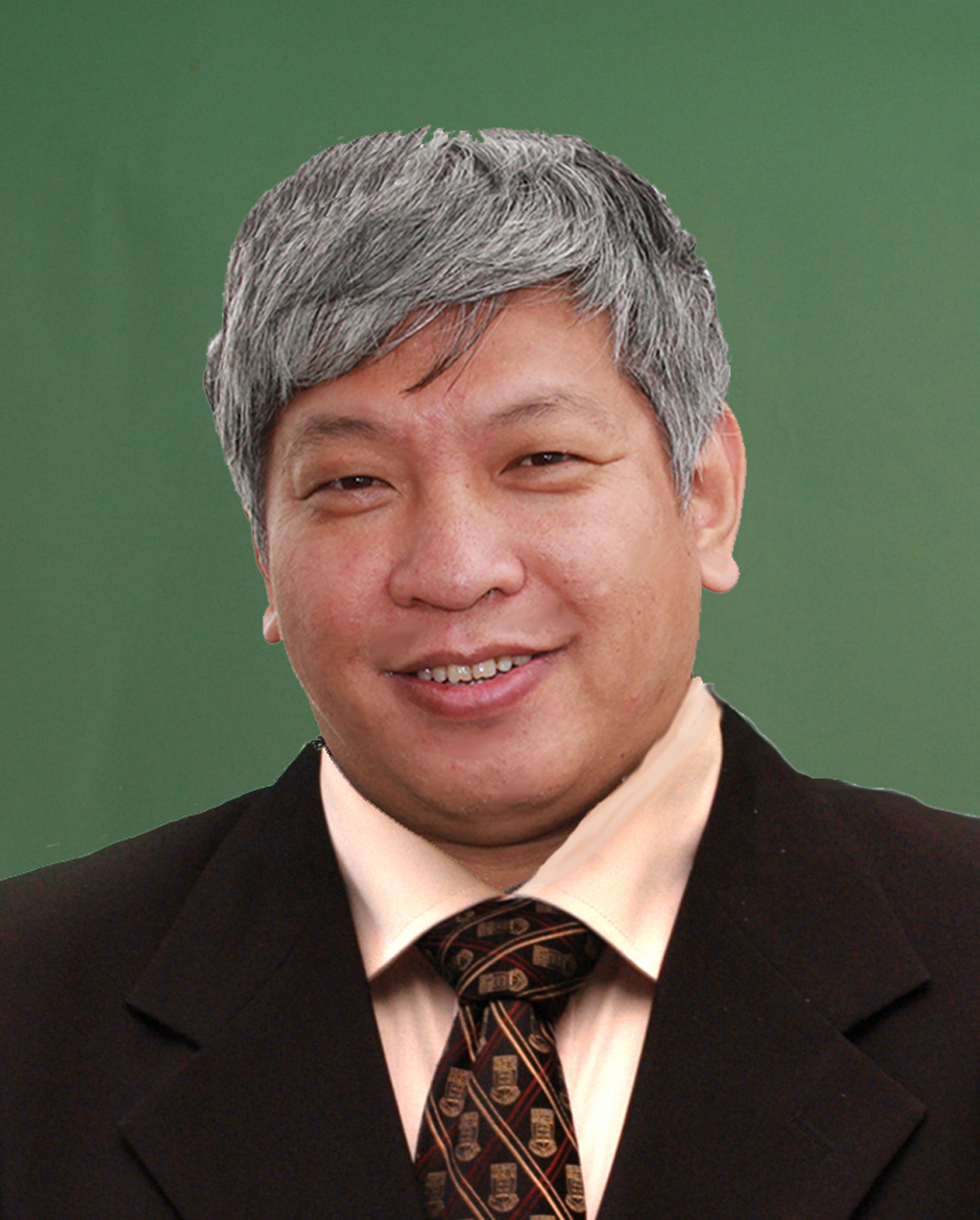
Dr. Yong Hu
Dr. Yong Hu is a senior member of IEEE and Chinese BME society; Vice precident of International Association of Neurorestoratology (IANR); Vice Chairmen of Chinese Committee of IANR; Vice president of Clinical Neuroelectrophysiology Special Committee of China Research Hospital Association; Vice president of basic science sub-committee, Chinese Association of Spine and Spinal Cord; Vice president of Spinal electrophysiology sub-committee, Chinese Association of Spine and Spinal Cord; Vice president of Chinese Committee of Biomedical Sensor Technology, Chinese BME society, Council committee member in Chinese Sub-society of Medical Neural Engineering, Chinese BME society. He also serves as Executive Editor of Journal of Neurorestoratology, Associate Editor of Frontiers on Neuroscience, Restorative Neurology and Neuroscience. Associate Editor of Restorative Neurology and Neuroscience

Dr. Yan Xia
Dr. Xia is an Associate Professor in the Department of Orthodontics, Friedrich-Alexander University Erlangen-Nürnberg (FAU), focusing on 3D medical imaging, intelligent data integration, and phenotype-genotype data analysis. Before joining FAU, he had extensive experience in both academia and industry, working at the intersection of computer vision, machine learning, and medical image analysis. He previously was a senior Research Fellow at the University of Leeds, researching deep learning and machine learning algorithms for a variety of clinical applications. Prior to that, he was a Postdoctoral Researcher at Stanford University, developing machine learning models to support clinical decision-making in liver cancer treatment. He completed his PhD in the Pattern Recognition Lab at FAU. The project was closely collaborated with Siemens healthineers.
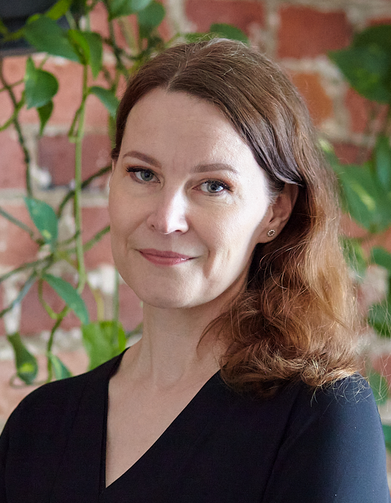
Dr. Juulia Jylhävä
I am the group leader of the Systems Biology of Aging research group at the Faculty of Medicine and Health Technology, Tampere University. My research group studies biological aging — how to measure it, what drives it, and how it’s linked to adverse outcomes, such as age-related diseases and mortality. We use genetic, multiomics and AI approaches and causal inference methods to unravel why some people age in good health while others become frail and dependent on assistance earlier in life. Another aim and ongoing project in our group is to develop an electronic frailty index for healthcare – a tool to measure whole-organism aging and identify vulnerable individuals at early stages.
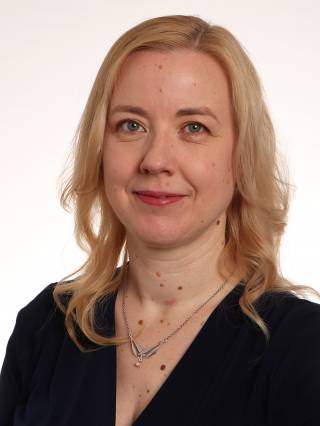
Dr. Kirsi Rautajoki
I aim at increasing the understanding of malignancy and nonfunctional immune system in the tumor microenvironment as well as at generating better treatment options for brain tumor and prostate cancer patients. My research focuses on immuno-oncology, epigenetics, and gene regulatory networks.
Dr. Marja-Leena Linne
Dr. Marja-Leena Linne is senior scientist and Head of Computational Neuroscience Research Group (CNS) at Tampere University of Technology in Finland. As an electrical engineer with PhD in information technology, she has combined neuroscience and engineering to become a wet-lab electrophysiologist and computational neuroscientist. She has a passion to understand how the mammalian brain learns to store and recall memories. She currently develops biophysically and biochemically detailed computational models of neural systems to explain the complex mechanisms underlying neurotransmission and neuroplasticity in the brain. Her long-term goal is to transfer the developed models into artificial intelligence and other engineering applications.
Dr. Linne is a task leader in the EU FET Flagship Human Brain Project (HBP). She is affiliated with European Institute of Theoretical Neuroscience (EITN) in Paris, as well as with the Institute of Biosciences and Medical Technology (BioMediTech) at the University of Tampere. She is board member of Organization for Computational Neuroscience (OCNS), and has been elected in training committees of international neuroscience organizations, including Neuroinformatics Coordination Facility (INCF) and Federation of European Neuroscience Societies (FENS). She is the founder of Baltic-Nordic Summer School in Neuroinformatics.

Dr. Vittorio Fortino
I hold a Bachelor’s and Master’s degree in Computer Science, a PhD in Bioinformatics, and a Docentship in Health Bioinformatics. My research is centered on developing and implementing machine learning, heuristic optimization, and network data mining algorithms to tackle the principal computational challenges inherent in the precision medicine (PM) approach. PM is dedicated to the integration of molecular markers with conventional clinical data to customize medical treatment and enhance patient outcomes. My team’s current projects include: 1) patient stratification utilizing both single- and multi-view datasets, facilitated by deep learning, dimensionality reduction, and knowledge-driven clustering analyses; 2) biomarker identification through the analysis of extensive genomics data, applying metaheuristic techniques for feature selection, and; 3) the creation of network data mining algorithms aimed at discovering drug targets and repurposing existing drugs. Our work is pivotal in translating complex biological data into actionable insights for PM, ultimately aiming to optimize individual patient care.
Industrial and Government Representatives
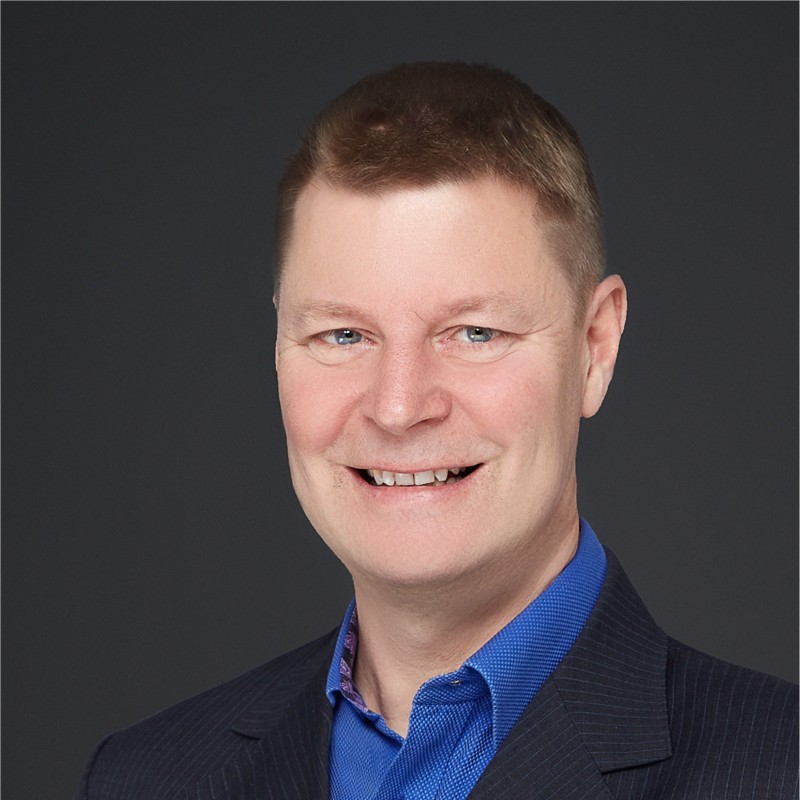
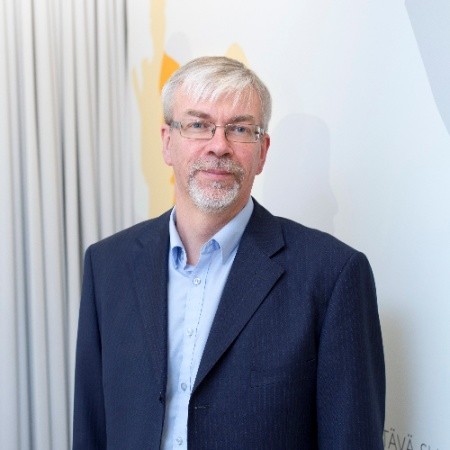

Pekka Kuosmanen and Qianhui Zhong

Klaus Förger and Henna Kujanen
We help industrial and health technology companies, as well as healthcare and public sector organisations, to build superior products and services. By combining domain and software expertise with engineering skills, we solve our customers’ toughest problems.

Benedek Poor
Probiont is developing personalized solutions for cancer immunotherapy efficacy testing. Our technology is purposed to enable rapid screening of cancer drugs used in immunotherapy, for early identification of effective treatment strategies for individual patients.

Katrina Wendel-Mitoraj
SOENIA® Medical Diary and Cloud have been built from the ground up with neurologists and people suffering from neurological disorders. SOENIA® is a trademark owned by BrainCare Oy (Ltd.), a Tampere University of Tehnology spin-off company.
Our softwares provide a variety of advantages compared to conventional treatment and monitoring methods, hence saving time and money from the patient and doctor.

Joonas Vaahtera
NADMED provides measuring kits for clinical laboratories and laboratory services to meet research and clinical needs. The most accurate and advanced method to measure all four NAD types and glutathione.